
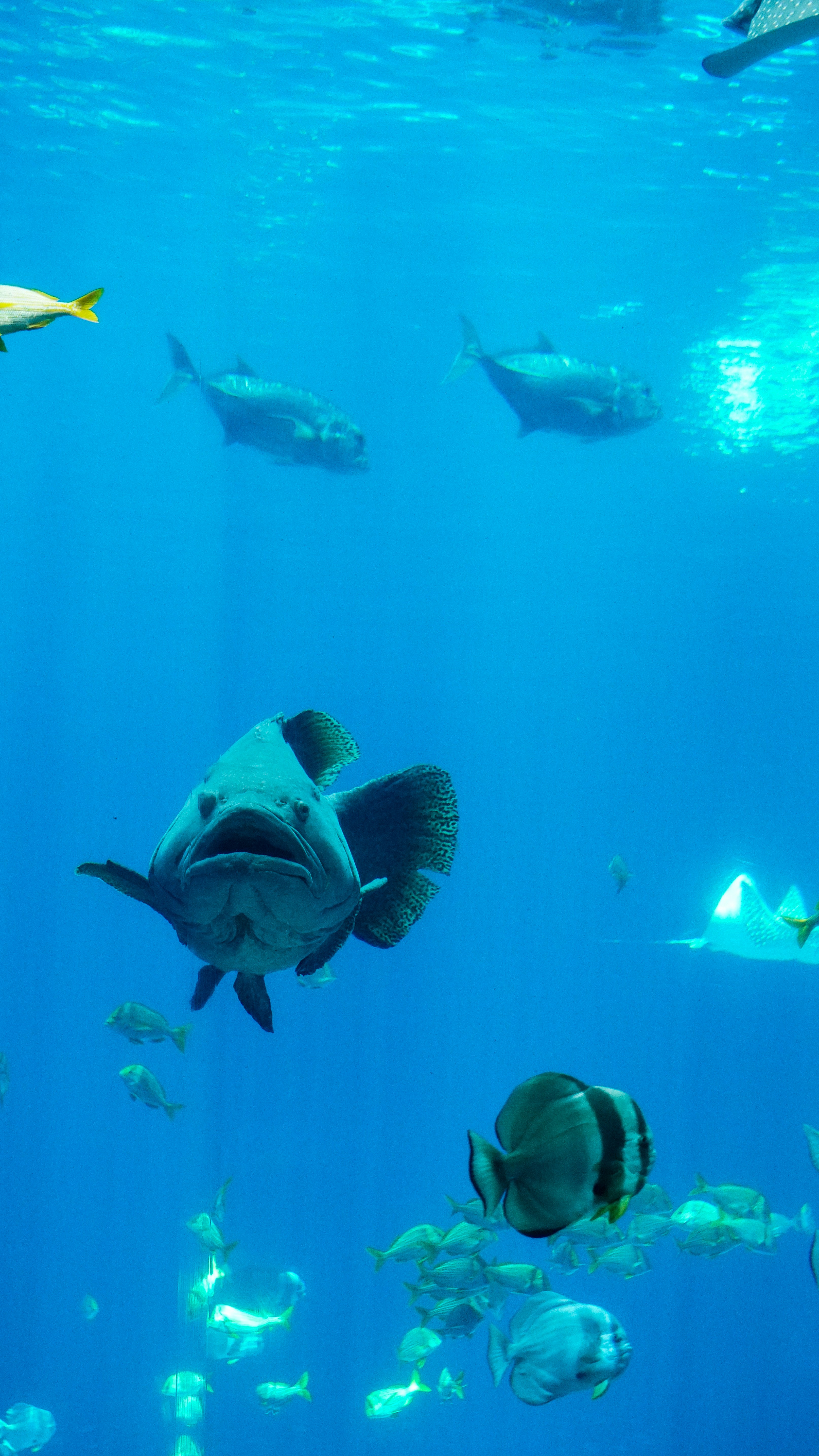
Understanding the Aquatic Ecosystem
The world beneath the waves is filled with a variety of fish species that play crucial roles in maintaining the ecological balance. In this complex aquatic ecosystem, we often encounter the dynamic between small fish and big fish. Small fish, such as minnows and sardines, serve not only as prey but also contribute significantly to the nutrient cycle.
The Role of Small Fish
Small fish are critical players in the food chain. They often feed on plankton and other tiny organisms, helping to control their populations. By doing so, small fish facilitate a healthier water environment, preventing algal blooms and promoting biodiversity. Additionally, they often form large schools, offering protection against larger predators, showcasing the importance of their community orientation.
Big Fish and Their Impact
On the other side of the spectrum, big fish, such as tuna and sharks, occupy the top tier in the aquatic hierarchy. These larger fish are vital for maintaining the balance of populations within the ecosystem. By preying on smaller species, they ensure that no one group dominates the environment, thus promoting a diverse and robust aquatic habitat. The dynamics between small fish and big fish are essential for sustaining healthy marine ecosystems.