
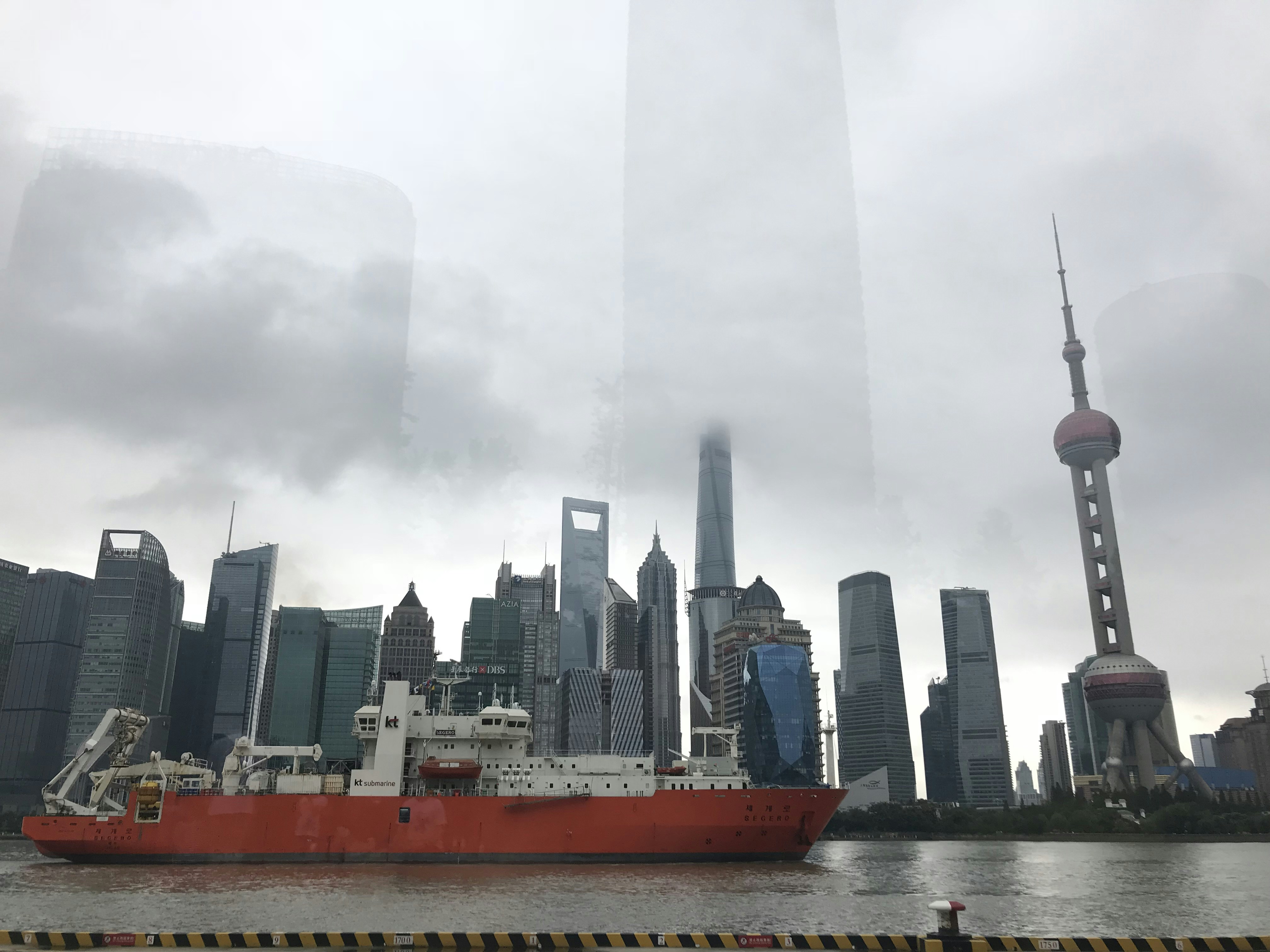
Introduction to the Port of Shanghai
The Port of Shanghai, located in the bustling city of Shanghai, China, is one of the busiest and most significant ports in the world. It serves as a vital hub for global trade, efficiently connecting China to international markets. As the heart of Shanghai’s economy, this port plays a crucial role in the city’s development and China’s economy as a whole.
Historical Significance
Established in the 19th century, the port has transformed tremendously over the years. Initially just a small fishing harbor, it steadily evolved into a major shipping center by embracing globalization. The port’s strategic location along the East China Sea has enabled it to facilitate vast amounts of freight, making it a key component in trade routes that span the globe.
Port Operations and Infrastructure
The robust infrastructure of the Port of Shanghai is impressive, featuring multiple terminals equipped for various types of cargo such as containers, bulk goods, and liquids. Its advanced technological systems ensure smooth operations, enhancing efficiency in processing goods. The port’s capabilities allow it to handle millions of TEUs (Twenty-foot Equivalent Units) annually, sustaining its position as a leading port in maritime trade.
As global trade continues to grow, the Port of Shanghai remains a critical player, showcasing the dynamic relationship between urban development and international commerce. It embodies the spirit of innovation and adaptability in an ever-changing economic landscape.