
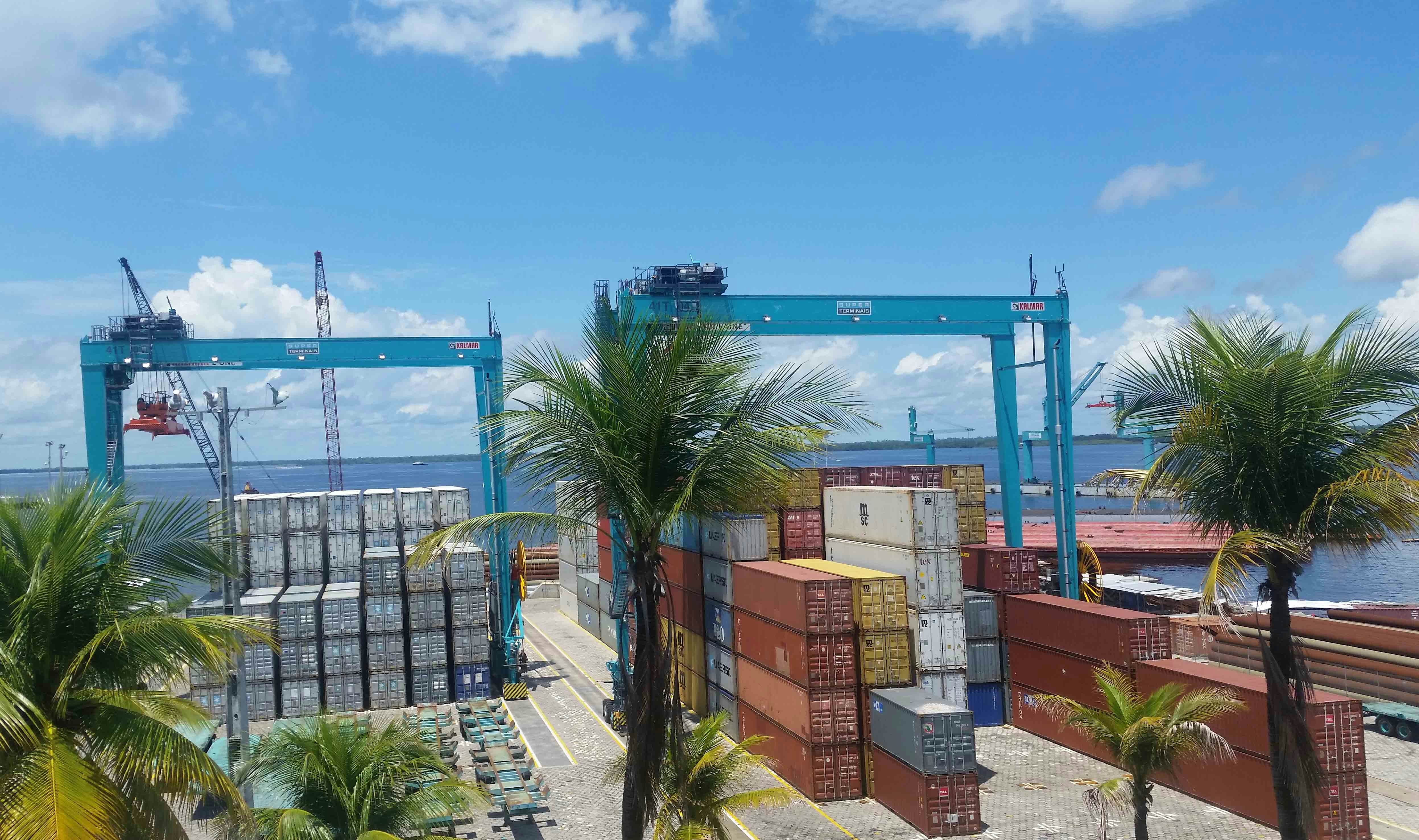
Introduction to the Port of Long Beach
The Port of Long Beach, California, is one of the largest and busiest seaports in the United States. Known for its strategic location along the Pacific Coast, it serves as a vital gateway for international trade and a significant contributor to the local economy. This port has grown exponentially since its opening in 1911, adapting to the ever-changing landscape of global shipping.
The Significance of the Port
With its extensive facilities and deep-water channels, the Port of Long Beach plays a crucial role in the import and export of goods. Handling millions of containers each year, it is a significant player in the supply chain, enabling goods to traverse across borders efficiently. Located adjacent to the bustling city of Los Angeles, this port also boasts access to major highways and rail systems, making it an essential hub for transportation logistics.
Environmental Initiatives at the Port
Beyond its economic impact, the Port of Long Beach is also committed to environmental sustainability. Innovative initiatives are in place to reduce emissions and improve air quality, aligning with California’s stringent environmental regulations. The Green Port Policy is a testament to the port’s dedication to balancing commerce and ecological preservation.
In conclusion, the Port of Long Beach, California, is not only a center of maritime activity but also a beacon of environmental responsibility and economic growth. Its strategic importance continues to shape the future of trade on the West Coast.