
Introduction to the World’s Largest Forests
Forests are vital ecosystems that play a crucial role in maintaining the planet’s biodiversity and combating climate change. Here, we explore the ten largest forests around the globe, highlighting their immense square areas and ecological significance.
1. The Amazon Rainforest
Spanning approximately 5.5 million square kilometers, the Amazon Rainforest is the largest tropical rainforest in the world. This vast expanse of greenery is home to millions of species, making it one of the most biodiverse regions on Earth.
2. The Taiga Forests (Boreal Forests)
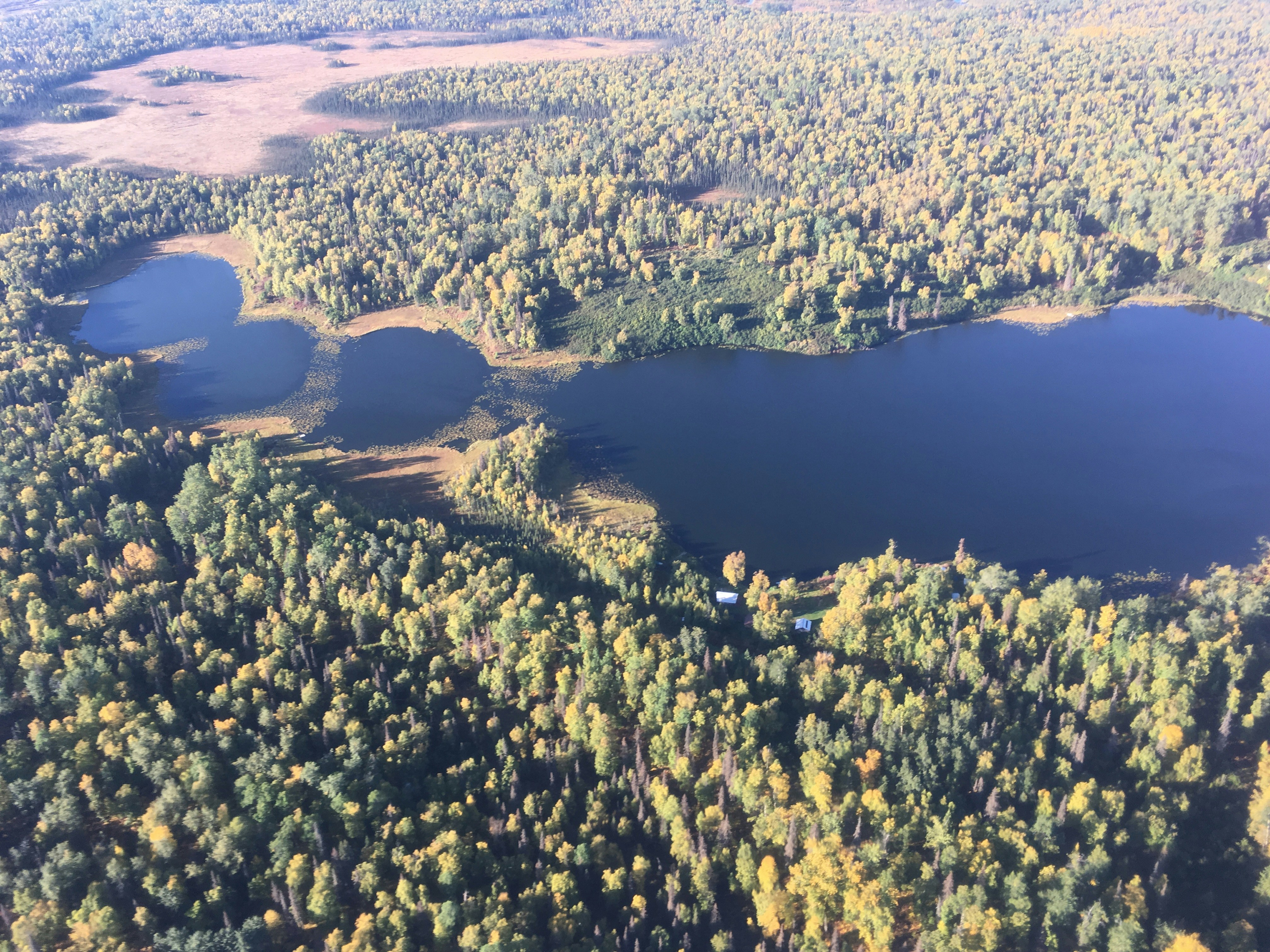
The Taiga, or Boreal Forest, stretches across parts of Canada, Alaska, Russia, and Northern Europe, covering around 15 million square kilometers. This forest type is characterized by coniferous trees, providing habitat for numerous wildlife species.
3. The Congo Basin Forest
The Congo Basin is the second-largest rainforest, covering about 3.6 million square kilometers across six countries in Central Africa. This forest is crucial for carbon storage and is home to many endangered species.
4. The Sundarbans
The Sundarbans is a unique mangrove forest located at the delta of the Ganges and Brahmaputra rivers, spanning approximately 10,000 square kilometers. It is well-known for its rich biodiversity, including the famous Bengal tiger.
5. The New Guinea Rainforest
This forest occupies about 800,000 square kilometers and is famed for its incredible number of plant and animal species, many of which are found nowhere else on Earth.
Conclusion
The ten largest forests in the world showcase the incredible diversity and ecological importance of these ecosystems. Preserving these forests is essential for maintaining global biodiversity and addressing the climate crisis.