
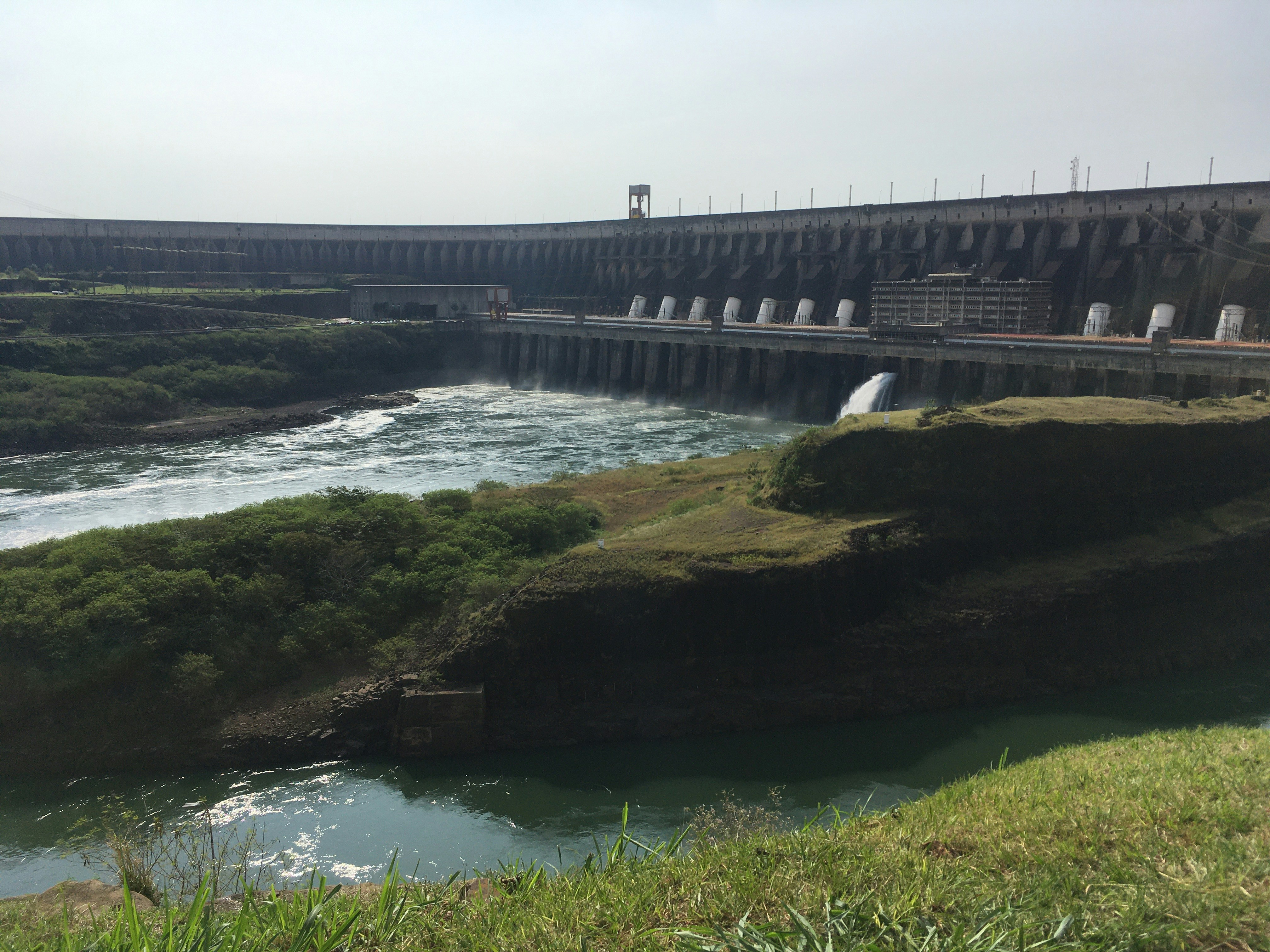
Introduction to the Three Gorges Dam
The Three Gorges Dam, located on the Yangtze River in Hubei province, China, stands as a marvel of modern engineering. It is not only the biggest dam in China but also the world’s largest hydroelectric project in terms of installed capacity. With a total generating capacity of over 22,500 megawatts, it plays a crucial role in meeting the energy demands of the region.
Key Features and Benefits
The dam is an astonishing structure, stretching over 2,335 meters in length and 185 meters in height. It includes 32 main turbine generators, which are integral to its impressive power output. The Three Gorges Dam significantly contributes to flood control, irrigation, and navigation, allowing larger vessels to traverse the Yangtze River. This multifunctional capability enhances both the economy and infrastructure of the surrounding areas.
Environmental Impact and Challenges
Despite its benefits, the Three Gorges Dam has faced criticism regarding its environmental impact. The alteration of local ecosystems, displacement of communities, and changes to sediment flow and water quality are major concerns. Ongoing monitoring and research are essential to understand these effects better and to implement potential mitigation strategies.
In conclusion, while the Three Gorges Dam is a significant achievement in hydroelectric power generation and regional development, it is crucial to address the associated challenges. Continuing advancements in technology and sustainable practices will be key in ensuring that this iconic structure benefits both the environment and the people of China.