
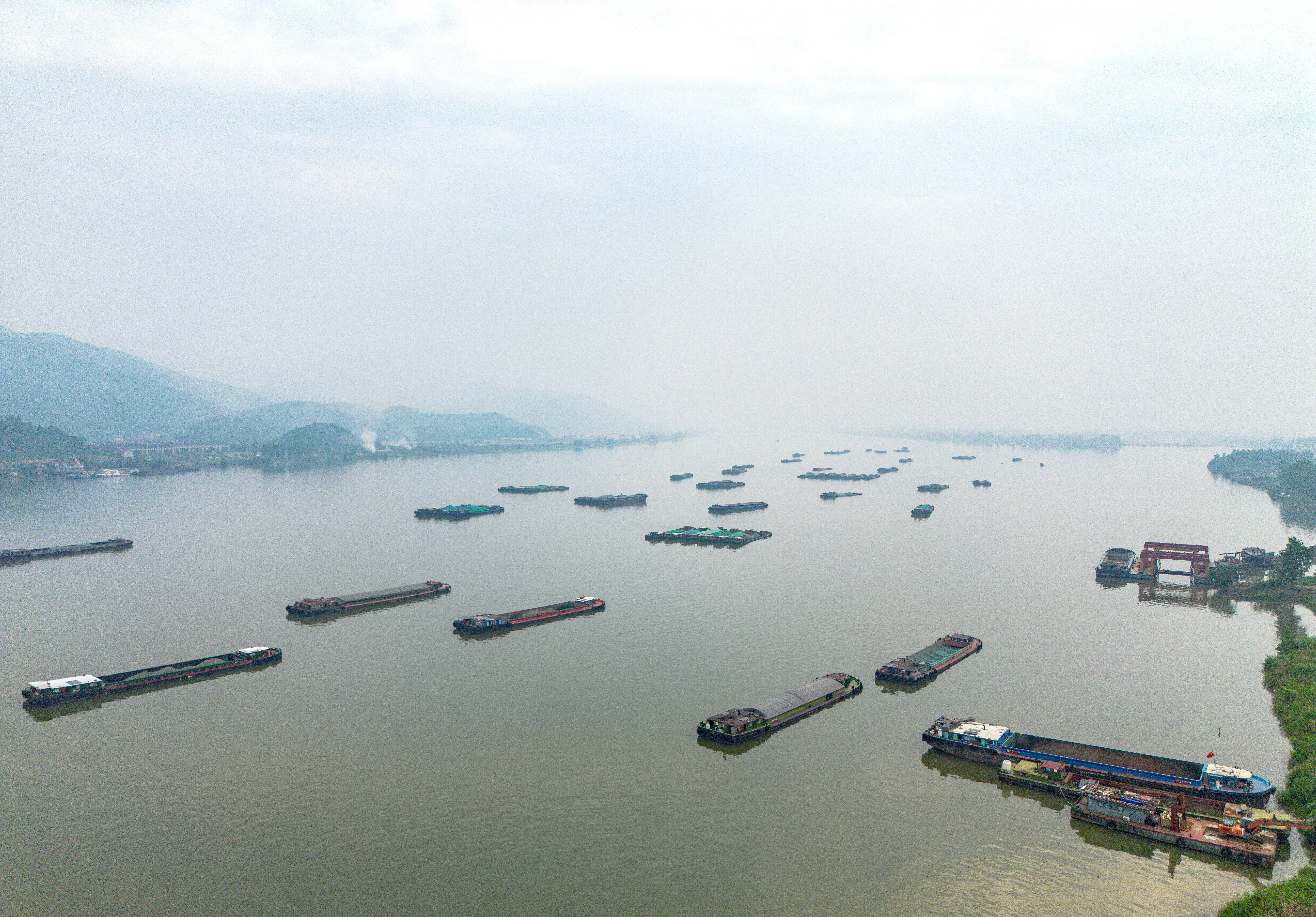
Introduction to the World’s Longest River
The journey of rivers has always captivated the imagination of many. Among these waterways, the title of the longest river in the world has been a subject of debate. While numerous rivers snake through diverse landscapes, two main contenders often arise: the Amazon River and the Nile River.
Amazon vs. Nile: The Length Controversy
The Amazon River, flowing through South America, is renowned for its vast basin and biodiversity. Some studies suggest its length exceeds that of the Nile, reaching approximately 4,345 miles (7,062 kilometers) when measured from its most distant source to its mouth. The Nile, on the other hand, measures around 4,135 miles (6,853 kilometers) and is traditionally recognized as the longest river. This ongoing debate highlights the complexities of defining river lengths and their sources.
The Significance of the Longest River
The longest river in the world is more than just an impressive figure; it plays a crucial role in its ecosystem and the livelihoods of people living along its banks. The Amazon River is essential for local communities, serving as a transportation route and providing resources like fish and fresh water. Additionally, both the Amazon and the Nile support diverse flora and fauna, making them critical to environmental health.
Understanding these magnificent rivers enhances our appreciation for natural wonders. Whether or not you recognize the Amazon or the Nile as the longest river, their importance is undeniable, stretching far beyond mere measurements.