
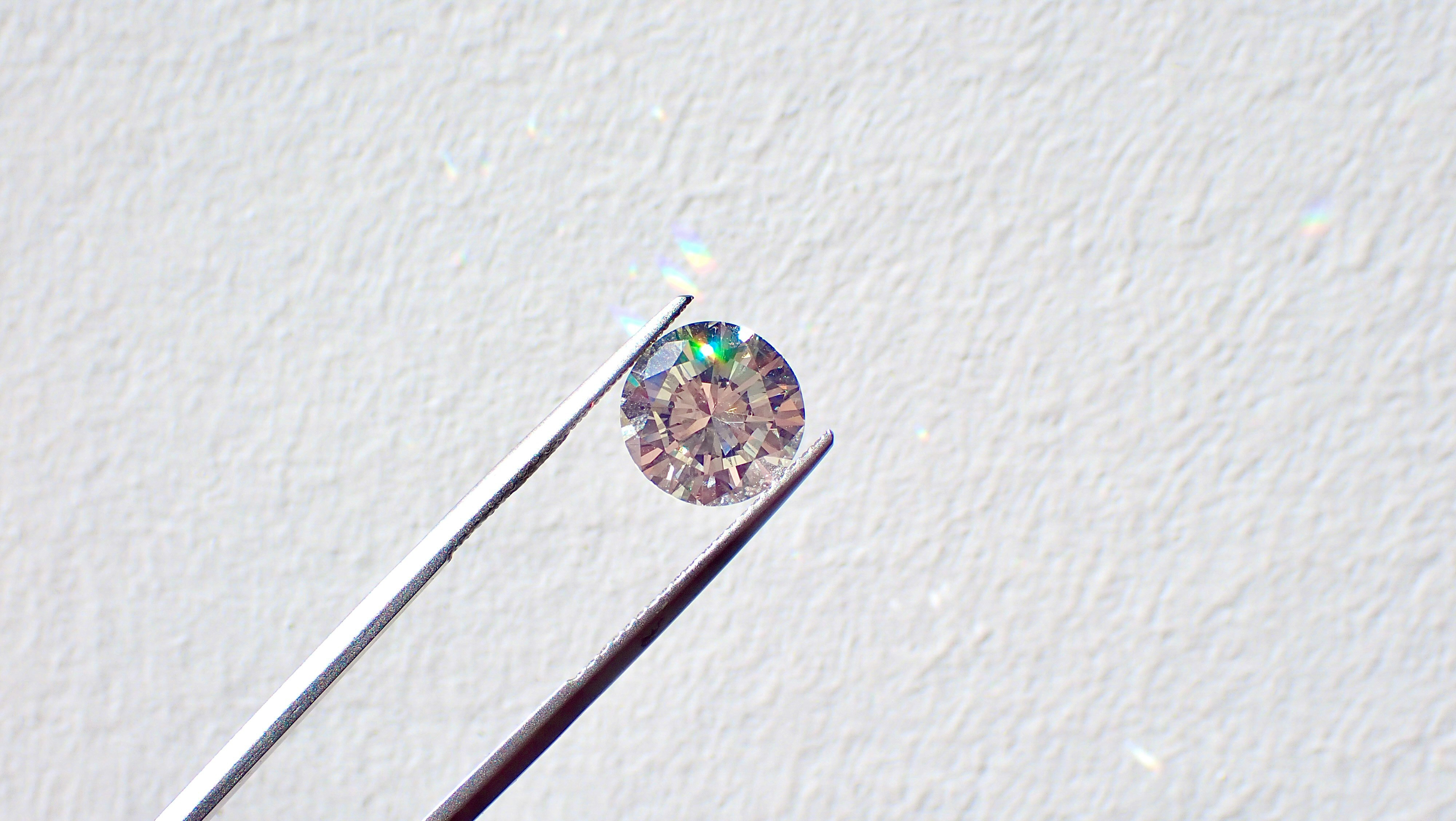
Introduction to Diamonds
Diamonds are one of the most coveted gemstones, known for their remarkable brilliance and durability. Primarily composed of carbon atoms arranged in a crystalline structure, diamonds are a symbol of wealth and status. Their formation occurs naturally over billions of years deep within the Earth’s mantle, where intense heat and pressure transform carbon into this exquisite stone. The journey of a natural diamond to the surface often involves volcanic activity, resulting in the discovery of these gems in areas known as kimberlite pipes.
In addition to their geological significance, diamonds hold a prominent place in various cultures, often serving as tokens of love, commitment, and prestige. They are commonly associated with engagement rings and other significant jewelry, making them a staple in the commercial market. The admiration for diamonds extends beyond mere beauty; their rarity and the lengthy process of natural formation contribute to their high value.
Despite their natural allure, a growing trend in the diamond industry has emerged with the introduction of lab-grown diamonds. These synthetic diamonds are created in controlled environments using advanced technological methods that mimic the natural formation process. While they share the same chemical composition and physical properties as their natural counterparts, lab-grown diamonds have ignited discussions about ethical sourcing, sustainability, and value.
This blog post aims to explore the differences between lab-grown and natural diamonds, delving into their formation, characteristics, and significance within the jewelry market. By understanding these distinctions, consumers can make informed choices that align with their values and preferences when purchasing diamonds.
The Formation of Natural Diamonds
Natural diamonds are formed through a complex geological process that takes place deep within the Earth’s mantle, typically at depths of around 140 to 190 kilometers (87 to 118 miles) below the surface. The formation of these gemstones is primarily attributed to an environment characterized by extraordinarily high temperatures and pressures. These conditions must be consistently maintained over millions of years to facilitate the transformation of carbon, the fundamental element from which diamonds are made.
The formation process begins with carbon-containing materials subjected to intense heat exceeding 1,000 degrees Celsius (1,832 degrees Fahrenheit) and pressures that can reach approximately 725,000 pounds per square inch. Under such extreme conditions, the carbon atoms bond in a crystal lattice structure, leading to the creation of diamond crystals. The geological processes contributing to this metamorphosis include the movement of tectonic plates, which can transport carbon-rich materials deeper into the Earth’s mantle.
Once formed, natural diamonds may remain trapped within the mantle for an extensive period. Geologic processes such as volcanic eruptions can occasionally bring diamonds closer to the Earth’s surface, often embedded within a rock called kimberlite. This rock acts as a host for diamonds, transporting them from their underground origin to the surface, where they can be mined. Due to the specific conditions required for their formation and the lengthy time it takes to create them, natural diamonds are considered rare and valuable. The combination of their unique geometrical properties, aesthetic appeal, and historical significance contributes to their status as one of the most sought-after gemstones in the world.
The Creation of Lab-Grown Diamonds
Lab-grown diamonds are created through two primary methods: High Pressure High Temperature (HPHT) and Chemical Vapor Deposition (CVD). These innovative techniques have made it possible to replicate the natural processes that occur beneath the Earth’s surface, where diamonds are formed over millions of years.
The HPHT method mimics the extreme temperature and pressure conditions found in the Earth’s mantle. In this process, a small diamond seed is placed in a chamber along with carbon and subjected to high temperatures of around 1,500°C and extremely high pressures of approximately 1.5 million psi. This combination stimulates the crystallization of carbon atoms around the seed, resulting in the formation of a lab-grown diamond. HPHT diamonds can be produced in as little as a few weeks, making this method efficient in producing high-quality stones comparable to natural diamonds.
On the other hand, the CVD process involves a more controlled environment. In a vacuum chamber, gases such as methane and hydrogen are introduced, creating a plasma. This plasma breaks down the gas molecules, allowing carbon atoms to deposit onto a substrate, which is usually a diamond seed. As the process continues over several weeks, these carbon atoms accumulate and crystallize, forming a lab-grown diamond. CVD diamonds have become increasingly popular due to their ability to grow larger and more complex structures while maintaining clarity and purity.
Both HPHT and CVD methods produce diamonds that are chemically, physically, and optically identical to natural diamonds, providing consumers with ethical and environmentally friendly options for their purchases. As technology advances, lab-grown diamonds are becoming more accessible, offering an appealing alternative in the jewelry market.
Key Differences in Appearance and Quality
When comparing lab-grown diamonds to their natural counterparts, the distinctions in appearance and quality become evident across several critical characteristics. Clarity, cut, color, and carat weight are fundamental traits that can significantly influence the perception and value of these gemstones.
Starting with clarity, both types of diamonds can achieve high clarity ratings, but lab-grown diamonds are typically produced in controlled environments, often resulting in fewer inclusions and blemishes. This means that a lab-grown diamond may demonstrate superior clarity when compared to a natural diamond of the same grading. However, natural diamonds may possess unique inclusions that some buyers find attractive as part of their intrinsic history.
The cut of a diamond is pivotal to its sparkle and overall beauty. Lab-grown diamonds can be cut with precise technology, enhancing their brilliance. While natural diamonds can also have excellent cuts, imperfections in natural stones can affect the quality of the cut and, subsequently, the stone’s luster. Therefore, it is crucial for consumers to assess both lab-grown and natural diamonds based on the quality of their cut to assess visual appeal.
Color is another key factor where differences might emerge. Lab-grown diamonds can be produced in virtually any color, often resulting in vivid hues that may not be readily available within the natural diamond market. In contrast, natural diamonds tend to exhibit color ranges influenced by geological factors, which can limit the spectrum available to buyers.
Lastly, carat weight remains a significant measure in the diamond industry, with consumers often prioritizing larger stones. Both lab-grown and natural diamonds are available across a wide spectrum of carat weights, providing various options for different budgets. It’s important for buyers to remember that greater carat weight doesn’t necessarily equate to higher value if clarity, cut, or color are compromised.
Pricing and Market Trends
Understanding the pricing of diamonds requires a thorough examination of both lab-grown and natural diamonds, as several factors contribute to their respective markets. Lab-grown diamonds typically retail for 20% to 40% less than their natural counterparts. This pricing disparity is primarily attributed to the controlled manufacturing process, which allows for more consistent production and eliminates the geological issues inherent in natural diamond extraction.
Several influencing factors affect the cost of lab-grown diamonds, including the quality, size, cut, and clarity. Comparison shopping for lab-grown diamonds can yield even greater savings, as many retailers offer competitive prices to attract customers. Additionally, the growing technology behind lab-grown diamonds continues to decrease production costs while improving quality, making these stones more appealing to the average consumer.
The diamond market is currently experiencing notable trends, particularly in consumer preferences. Lab-grown diamonds are gaining significant acceptance among buyers, particularly millennials and Generation Z, who often prioritize sustainability and ethical sourcing in their purchasing decisions. As concerns regarding the environmental impact of diamond mining grow, consumers are increasingly drawn to lab-grown alternatives due to their reduced ecological footprint and ethical production methods.
Moreover, as lab-grown diamonds continue to gain acclaim, traditional retailers are expanding their offerings to include these gems. This integration within mainstream jewelry collections signals a shift in consumer perception, as the stigma surrounding lab-grown diamonds diminishes. The burgeoning market for lab-grown diamonds is indicative of a larger trend towards ethical consumerism, where buyers seek transparency regarding the origins of their purchases.
In conclusion, the price differences between lab-grown and natural diamonds reflect a dynamic market influenced by technological advancements and changing consumer preferences. As acceptance of lab-grown diamonds increases, it will be interesting to observe how market trends continue to evolve and shape the diamond industry’s landscape.
Ethical Considerations
The conversation surrounding the ethical implications of diamonds has become increasingly prominent in recent years, especially with the introduction and growing popularity of lab-grown diamonds. One of the primary distinctions between lab-grown and natural diamonds rests in their environmental impacts. Natural diamond mining can lead to significant ecological damage, including habitat destruction, pollution, and depletion of natural resources. In contrast, lab-grown diamonds are created in controlled environments that typically have a smaller carbon footprint, thereby minimizing environmental degradation.
Labor practices are another critical ethical consideration. The diamond mining industry has historically been linked to exploitation, dangerous working conditions, and human rights violations, often referred to as the “blood diamond” issue. Many consumers are concerned about the provenance of natural diamonds and the possibility that their purchase could inadvertently support such practices. Lab-grown diamonds, however, are produced under regulated conditions, ensuring fair labor practices and humane working environments, thereby making them a more socially responsible choice.
Moreover, societal perceptions regarding the ethicality of diamonds are shifting. Lab-grown diamonds are marketed as a viable alternative to their natural counterparts, offering consumers an ethical choice that aligns with their values. They are increasingly recognized not just for their beauty and quality, but also for their contribution to sustainable luxury. As consumers become more informed about the implications of their purchases, there is a rising preference for products that guarantee ethical standards. Consequently, many choose lab-grown diamonds, believing they represent a conscientious decision that aligns with their personal and societal ethics.
Longevity and Resale Value
The longevity of diamonds is often a primary consideration for consumers, especially when deciding between lab-grown and natural diamonds. Both types of diamonds share identical physical properties; thus, their durability is similar. A diamond’s hardness, measured on the Mohs scale, is rated at 10, making it the hardest known natural substance. This exceptional toughness translates into both lab-grown and natural diamonds being highly resilient against scratches and everyday wear.
However, it is important to consider that the differences between lab-grown and natural diamonds extend beyond physical durability. Natural diamonds, formed over billions of years in the Earth’s mantle, come with a rich history and a unique allure that often enhances their emotional value. In contrast, lab-grown diamonds, created in controlled environments and existing for a significantly shorter time, may be perceived as less prestigious in some markets.
When it comes to resale value, natural diamonds tend to hold their market demand better than their lab-grown counterparts. The resale value of natural diamonds is often influenced by factors such as rarity, age, and market trends, making them more sought after in certain contexts. On the other hand, lab-grown diamonds face challenges regarding resale because the market is still developing, and their production costs have declined significantly over time, which can impact their perceived value.
As consumers continue to shift towards sustainability and ethical considerations, lab-grown diamonds are gaining traction. However, the long-term resale value for laboratory-created diamonds remains uncertain. In conclusion, while both lab-grown and natural diamonds boast impressive longevity attributes, their respective resale values and market statuses differ significantly, influenced by the emotional and historical connections associated with natural diamonds.
Choosing Between Lab-Grown and Natural Diamonds
When it comes to deciding between lab-grown diamonds and natural diamonds, consumers are faced with several important factors that can influence their choice. Understanding personal preferences is crucial, as it often serves as the foundation of the decision-making process. For instance, some individuals may prefer the ethical implications and environmental benefits associated with lab-grown diamonds, while others may value the traditional allure and unique history of natural diamonds.
Additionally, budget considerations play a pivotal role in this choice. Lab-grown diamonds are typically more affordable than their natural counterparts, allowing consumers to purchase larger or higher-quality stones within a set budget. This price difference can enable individuals to opt for a more extravagant option, such as a larger carat weight or higher clarity, when choosing a lab-grown diamond. Conversely, buyers on a limited budget may find that natural diamonds provide a more authentic connection to nature and tradition, despite potentially sacrificing size or quality.
The intended use of the diamond is another significant factor in this decision. For engagement rings or special occasion gifts, the choice may depend on the recipient’s values and preferences. Some might lean toward a lab-grown diamond for its modern appeal and cost-effectiveness, while others may prefer a natural diamond as a symbol of timeless love and commitment. Furthermore, if the diamond is intended as an investment, many still perceive natural diamonds to carry more long-term value, due to their rarity.
Ultimately, the decision between lab-grown and natural diamonds should reflect the buyer’s personal values, financial considerations, and the intended emotional significance behind the purchase. Careful evaluation of these factors will empower consumers to make a choice aligned with their unique preferences.
Conclusion: The Future of Diamonds
As the diamond industry continues to evolve, understanding the differences between lab-grown diamonds and natural diamonds has become increasingly important for consumers. Throughout this blog post, we examined various aspects of both diamond types, including their composition, environmental impact, and market perception. Lab-grown diamonds, which are created using advanced technological processes, provide a sustainable alternative to traditional natural diamonds. Their growing popularity is reshaping consumer attitudes toward diamond purchasing.
The advancements in technology that contribute to the development of lab-grown diamonds have not only made them more affordable but have also enhanced their quality in terms of clarity and brilliance. As consumers become more informed about the implications of their purchasing decisions, it is anticipated that the demand for lab-grown diamonds will continue to rise. This shift may lead to greater market accessibility, particularly for younger generations who prioritize ethical consumption.
Conversely, natural diamonds will likely maintain their allure due to their unique geological formation and the perception of rarity. The emotional and sentimental values associated with natural diamonds may preserve their standing among consumers seeking authenticity and tradition. However, as more individuals embrace the benefits of lab-grown alternatives, the luxury market may witness a gradual transformation.
In summary, the future of diamonds lies at the intersection of innovation and consumer preference. The ongoing dialogue surrounding sustainability, ethical sourcing, and personal values will undoubtedly shape the diamond sector in the years to come. As society becomes more attuned to environmental issues, the implications for both lab-grown and natural diamonds will continue to develop, creating a dynamic landscape for diamond enthusiasts and the jewelry industry alike.