
Introduction to AI Models
The landscape of artificial intelligence (AI) has grown considerably, introducing various models that serve distinctive purposes. Among these, ChatGPT and Gemini stand out as two prominent contenders in natural language processing. This article delves into their functionalities, strengths, and weaknesses to provide a clearer perspective.
Understanding ChatGPT
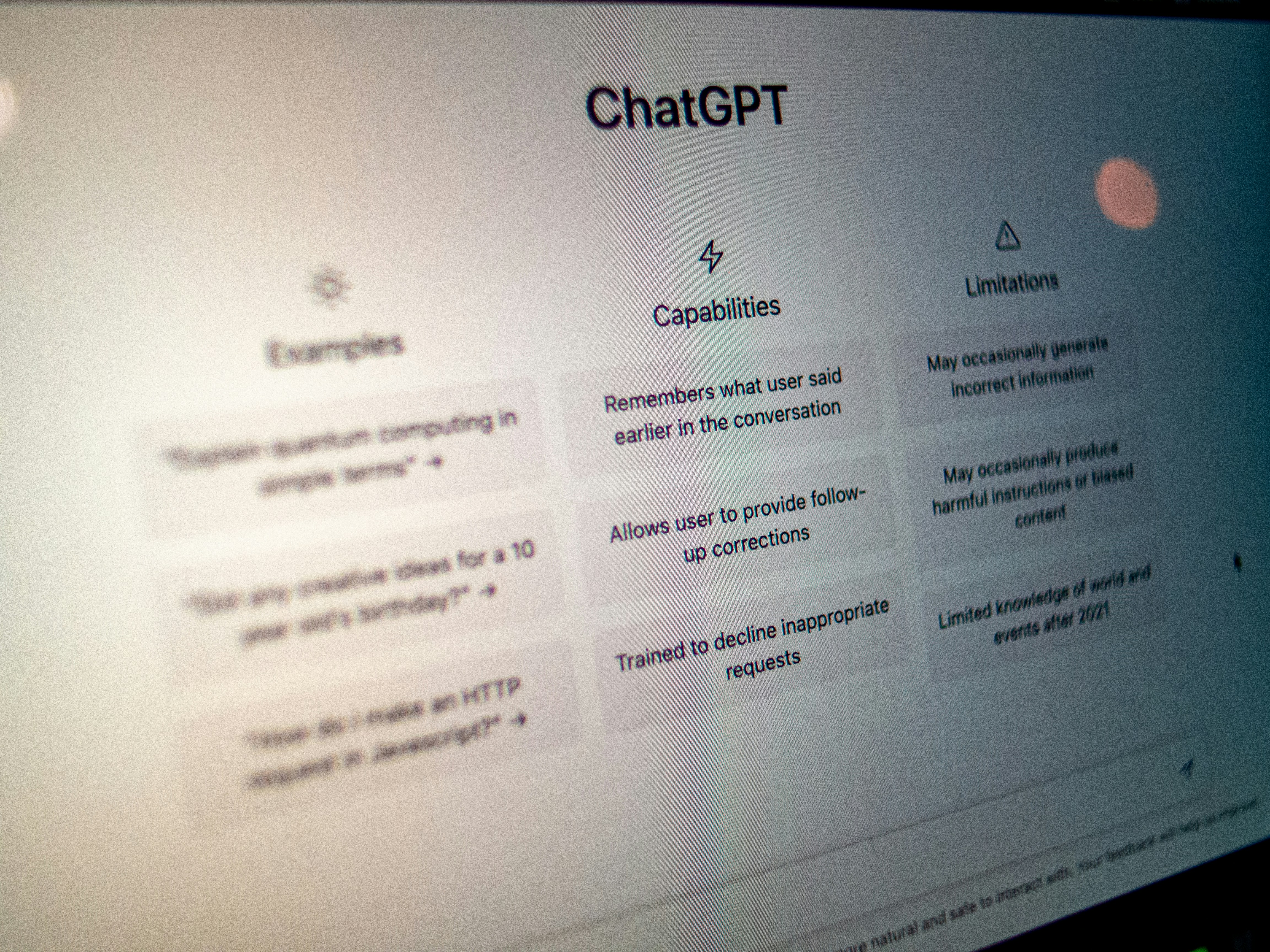
ChatGPT, developed by OpenAI, is an advanced language model designed for text generation and conversation. It’s based on the Generative Pre-trained Transformer architecture. ChatGPT excels in generating coherent and contextually aware responses, making it a popular choice for customer service, content creation, and more. Its strength lies in its ability to learn from vast datasets, enabling it to understand and produce human-like text.
Exploring Gemini’s Capabilities
On the other hand, Gemini, developed by Google DeepMind, is another AI model that aims to push the boundaries of AI interaction. Gemini focuses on multi-modal capabilities, meaning it can process not only text but also images and potentially other forms of data. This flexibility may allow Gemini to excel in comprehensive environments where different data types are involved.
Comparative Analysis: ChatGPT vs Gemini
When comparing ChatGPT and Gemini, one key distinction is their intended applications. While ChatGPT aims at text-based interactions, Gemini’s multi-modal design can make it a more versatile tool. Considerations such as performance, usability, and deployment within specific sectors will ultimately influence which model is superior for various tasks. As AI technologies continue to evolve, understanding these differences will be paramount in selecting the right tool for specific needs.