Exploring the Diverse Fields of Science

Exploring the Diverse Fields of Science

An Overview of Scientific Disciplines

Science is an expansive field that encompasses various disciplines, each dedicated to understanding different aspects of the natural world. From the intricacies of molecular biology to the vastness of astrophysics, science provides a structured approach to acquiring knowledge. The primary branches of science include natural sciences, formal sciences, social sciences, and applied sciences, all working together to deepen our comprehension of existence.

Natural Sciences: The Study of Nature

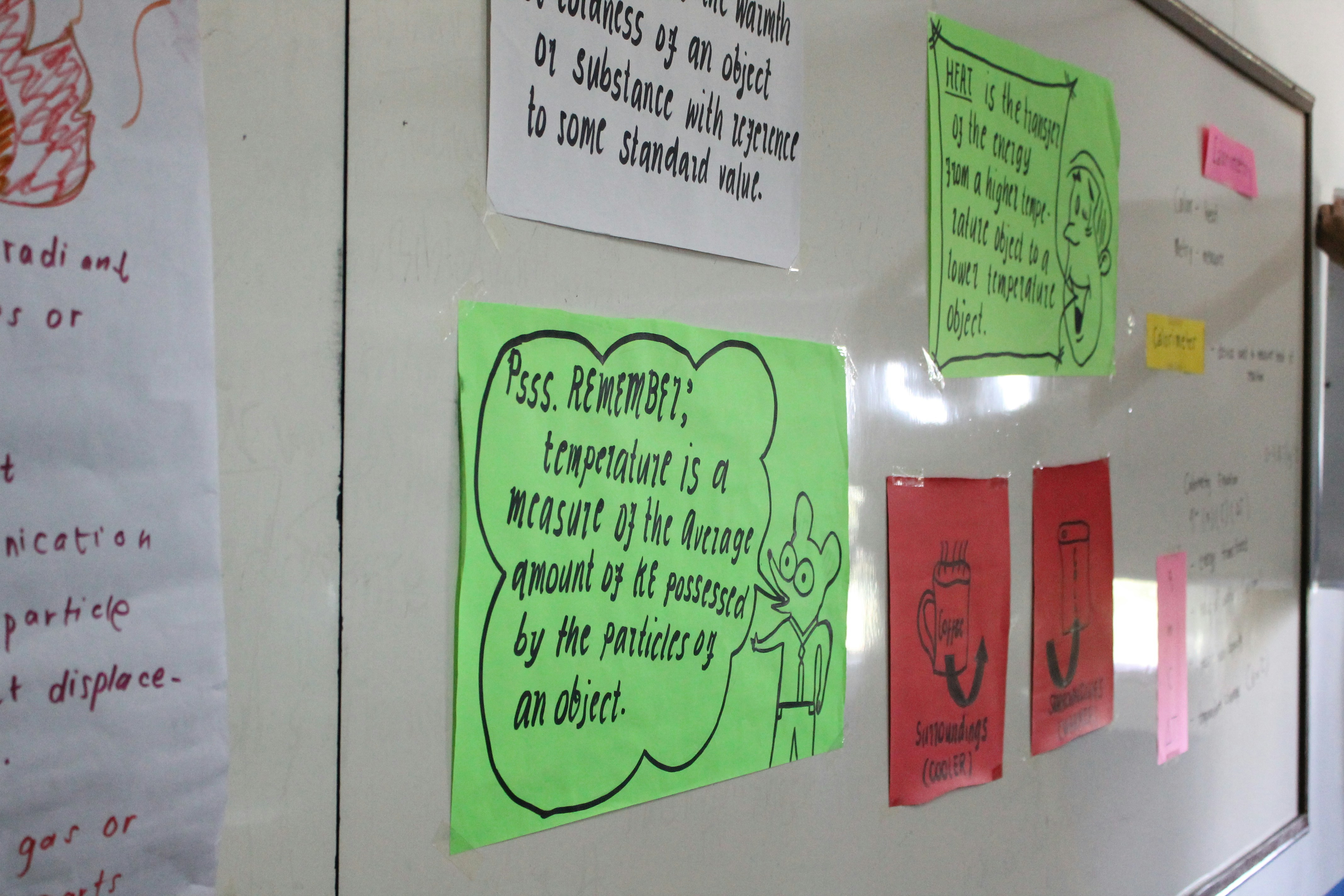
Natural sciences focus on the physical world and its phenomena. This branch includes physics, chemistry, and biology, among others. Physics examines matter, energy, and their interactions, while chemistry delves into the composition, structure, and properties of substances. Biology, on the other hand, explores living organisms and their vital processes. The natural sciences are fundamental in advancing technology and medicine, making them essential for societal progress.

Social Sciences: Understanding Human Behavior

In contrast, social sciences study human behavior and societies. Disciplines like psychology, sociology, and economics investigate how people interact, the structures of societies, and the principles of economic systems. Social sciences are invaluable in addressing complex social issues, aiding policymakers in crafting effective solutions. By combining various scientific disciplines, we enhance our problem-solving abilities and improve our understanding of the world.


Choosing Between Microsoft and Apple Laptops: A Comprehensive Guide

Choosing Between Microsoft and Apple Laptops: A Comprehensive Guide

Introduction to Laptop Brands

When it comes to purchasing a new laptop, the choices can be overwhelming. Microsoft and Apple are two of the most recognized brands in the market, each offering their own unique features and benefits. Beyond these giants, there’s a multitude of other laptop types catering to various needs and preferences. This guide will help you navigate through the options available.

Microsoft Laptops: Versatility and Compatibility

Microsoft laptops, particularly the Surface line, are known for their versatility. They combine the functionality of a tablet with that of a laptop, allowing users to switch between modes seamlessly. Additionally, Microsoft laptops run on Windows, which is widely compatible with a variety of software applications, making them an excellent choice for both personal and professional use. The flexibility these devices offer can naturally fit the needs of different types of users.

Apple Laptops: Design and Ecosystem

On the other side, Apple laptops, namely the MacBook series, are celebrated for their sleek design and robust performance. The macOS ecosystem provides a user-friendly experience, particularly for those already using Apple devices like iPhones or iPads. This seamless integration allows for a smoother workflow and enhances productivity. Moreover, MacBooks are renowned for their build quality, longevity, and security features.

Exploring Other Laptop Types

It’s also important to consider other types of laptops available in the market. Brands like Dell, HP, and Lenovo offer various models that suit different budgets and requirements. For instance, gaming laptops are specially designed for high-performance gaming experiences, while ultrabooks prioritize portability and battery life. Understanding what you need from a laptop is key to making the right choice.

Exploring the Different Types and Colors of Gemstones

Exploring the Different Types and Colors of Gemstones

Introduction to Gemstones

Gemstones have fascinated humanity for centuries with their breathtaking beauty and rarity. They come in a variety of types and colors, each possessing unique attributes and meanings. In this blog, we will explore the fascinating world of gemstones and the diversity they bring to jewelry and collection.

Types of Gemstones

Gemstones can be classified mainly into two categories: precious and semi-precious. Precious gemstones, like diamonds, rubies, sapphires, and emeralds, are highly sought after and known for their rarity and durability. Semi-precious stones, such as amethyst, garnet, and topaz, offer a wide array of colors and patterns, making them popular choices for decorative pieces.

The Spectrum of Colors

One of the most alluring aspects of gemstones is their color range. For instance, sapphires are typically associated with deep blue hues but can also appear in pink, yellow, or green. Similarly, tourmaline is available in nearly every color imaginable, from vibrant pinks to rich greens. Understanding the variations can help enthusiasts and collectors appreciate their beauty and choose the right gemstone for their needs.

Whether you are drawn to the classic elegance of a diamond or the vibrant color of a garnet, there is a gemstone to suit every taste. The world of gemstones is vast and intriguing, promising something new for everyone.

The Balance Between Handwriting and Computer Use

The Balance Between Handwriting and Computer Use

Introduction

In today’s digital age, the debate surrounding handwriting and computer use has become increasingly relevant. As technology continues to evolve, many people are reconsidering the importance of traditional handwriting skills in light of our reliance on computers.

The Benefits of Handwriting

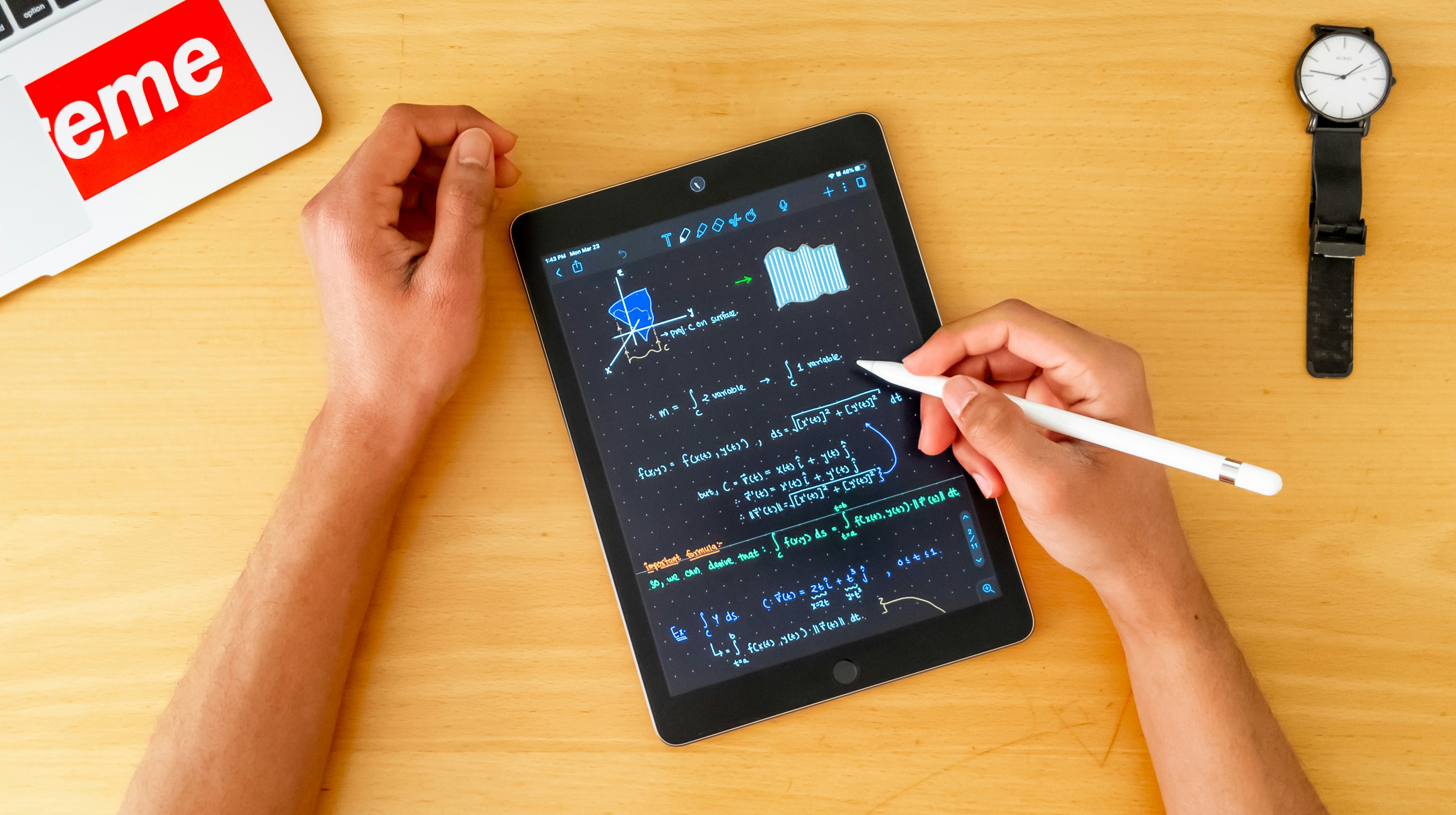
Handwriting plays a crucial role in cognitive development. Studies show that when we write by hand, our brains engage in a different way compared to typing. This engagement enhances memory retention and information processing. Moreover, handwriting can improve fine motor skills, making it an essential aspect of learning, especially for children.

The Rise of Computer Use

On the other hand, the rise of computer use cannot be overlooked. Computers offer efficiency and convenience, allowing for quick information retrieval and multi-tasking capabilities that traditional handwriting simply cannot match. With the increasing use of digital devices in education and the workplace, many argue that computer skills have become just as vital as handwriting abilities.

Finding a Balance

The key to navigating this landscape is to find a balance between handwriting and computer use. While typing can streamline tasks and improve productivity, incorporating handwriting can foster creativity and improve learning outcomes. Encouraging a hybrid approach allows individuals to harness the strengths of both methods, ensuring they remain proficient in traditional skills while embracing modern technology.

Conclusion

In conclusion, both handwriting and computer use are essential skills in our daily lives. Striking a balance between the two will provide a more rounded skill set, benefiting individuals in educational settings and the modern workplace. Embracing both forms of communication ensures that we maintain the cognitive benefits of handwriting while enjoying the advantages of digital efficiency.