
Exploring the Vastness of the Amazon Rainforest

Exploring the Vastness of the Amazon Rainforest

Introduction to the Amazon Rainforest

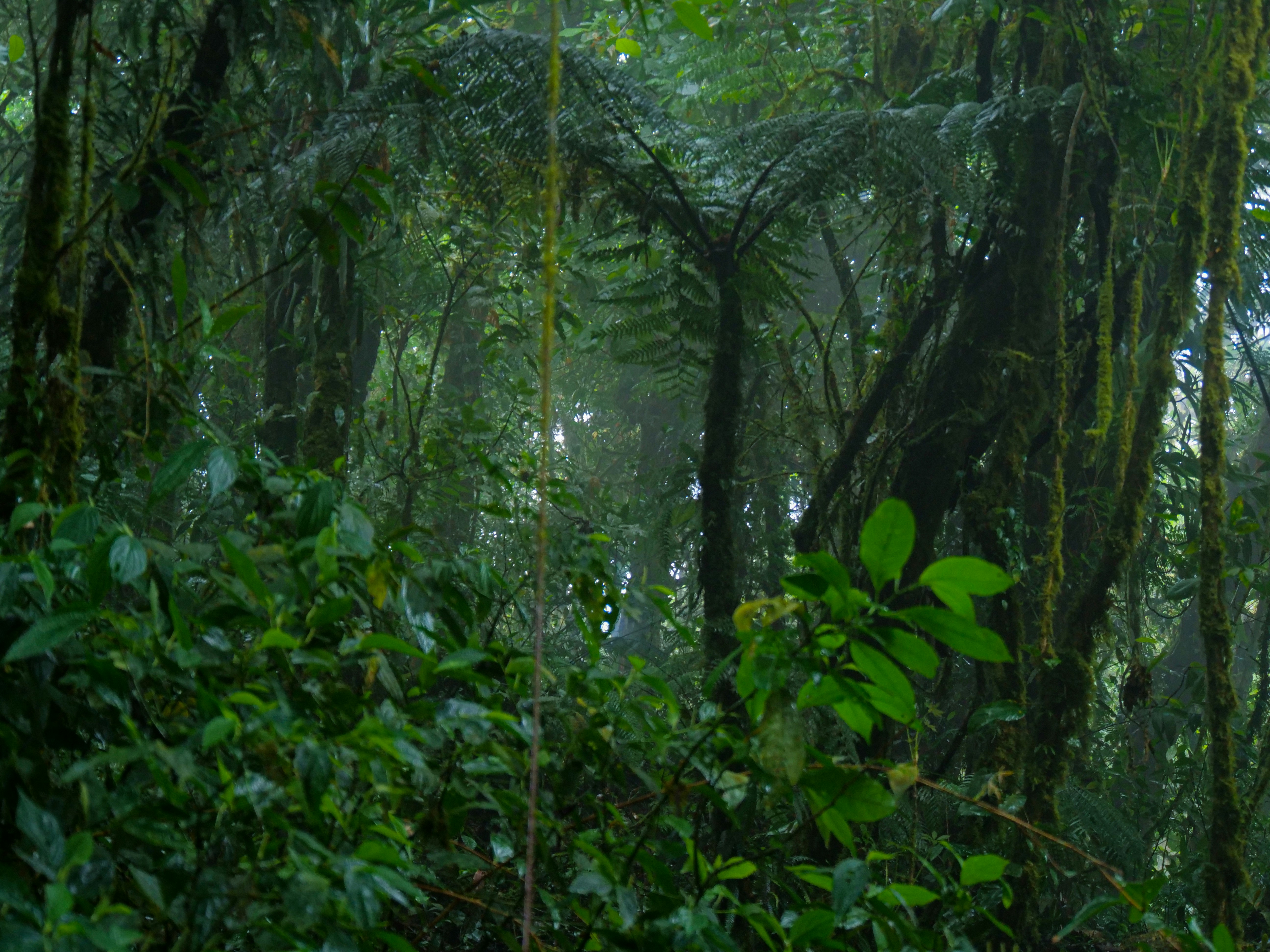
The Amazon Rainforest, renowned as the largest forest in the world, is a remarkable expanse that blankets a significant portion of South America. Spanning across multiple countries, it plays a critical role in maintaining the ecological balance of our planet.

Geographical Significance

Covering an area of approximately 5.5 million square kilometers, the Amazon Rainforest is a breathtaking biome that is home to countless species of flora and fauna. This vast forest contributes to about 20% of the world’s oxygen production, making its preservation vital for sustaining life on Earth. The geographical diversity found here includes towering trees, winding rivers, and vibrant wildlife, each contributing to the complexity of the ecosystem.

The Importance of Conservation

Despite its significance, the Amazon Rainforest faces threats from deforestation, illegal logging, and climate change. Protecting this magnificent natural resource is crucial not only for biodiversity but also for the tribes and communities that rely on its resources. Implementing conservation strategies and raising awareness about the challenges faced by the rainforest can help ensure its survival for future generations.
Exploring the Depths: An Introduction to Marine Science

Exploring the Depths: An Introduction to Marine Science

What is Marine Science?

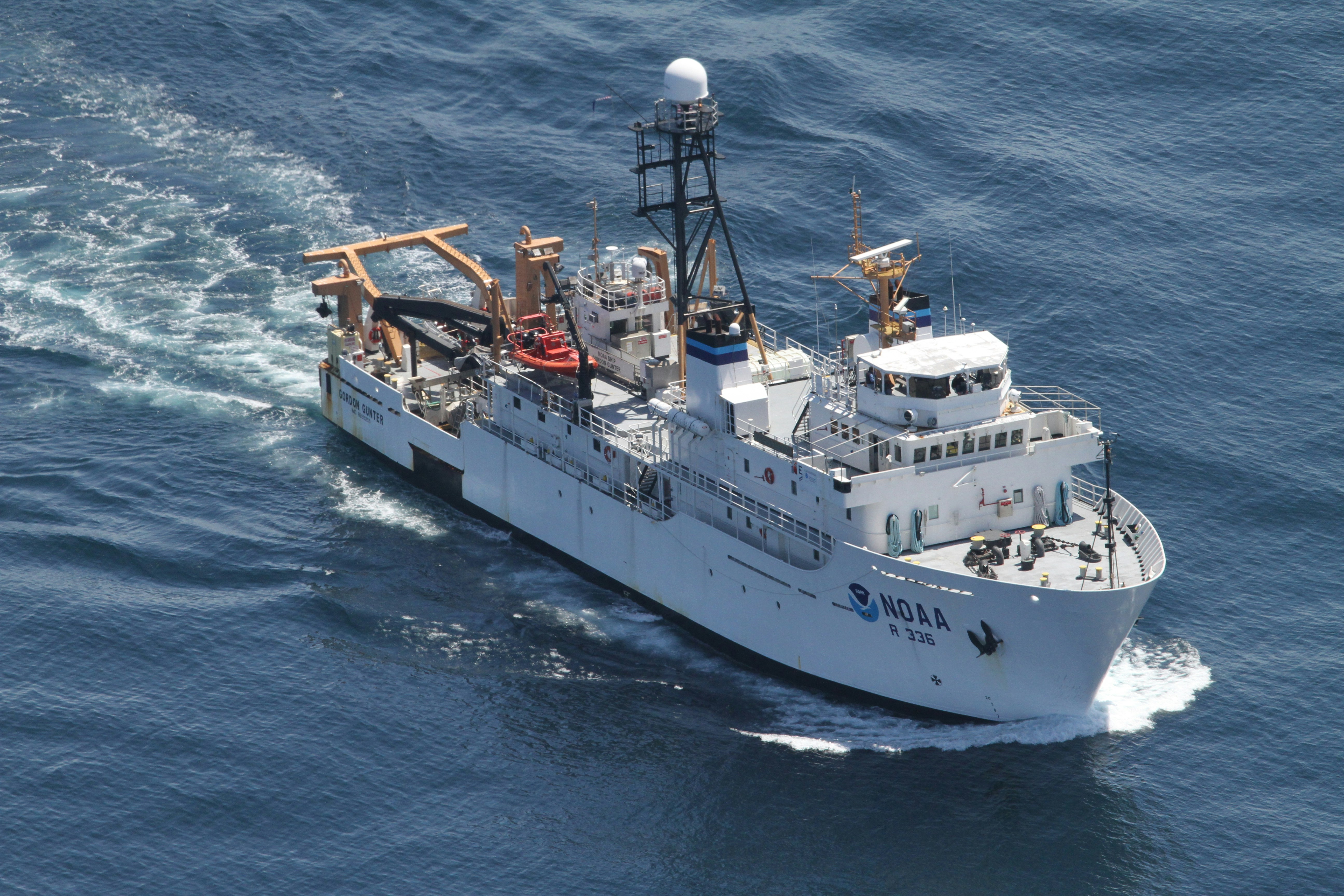
Marine science is the study of the ocean and its ecosystems, focusing on the myriad organisms that inhabit it. This interdisciplinary field encompasses biology, chemistry, geology, and physics, bringing together various scientific disciplines to understand the complexities of marine environments. Marine scientists examine everything from the smallest microorganisms to massive whales, revealing the intricate connections that sustain life beneath the waves.

The Importance of Marine Science

Understanding marine science is vital for several reasons. First, oceans cover over 70% of the Earth’s surface and play a crucial role in regulating the climate and weather patterns. Marine ecosystems, such as coral reefs and mangroves, provide essential services, including carbon storage, nutrient cycling, and coastal protection. Moreover, marine science aids in the sustainable management of resources, ensuring that seafood and other ocean-derived products are harvested responsibly.

Career Opportunities in Marine Science

A career in marine science offers a multitude of opportunities across various sectors. Marine biologists conduct research to protect endangered species, while oceanographers study ocean currents and their impact on global climate. Additionally, marine scientists can work in conservation, education, and policy-making, contributing to crucial efforts aimed at preserving our oceans for future generations. The growing concerns about marine pollution and climate change highlight the need for skilled professionals in this field, making marine science an increasingly significant area for study and employment.