Understanding Religious Festivals
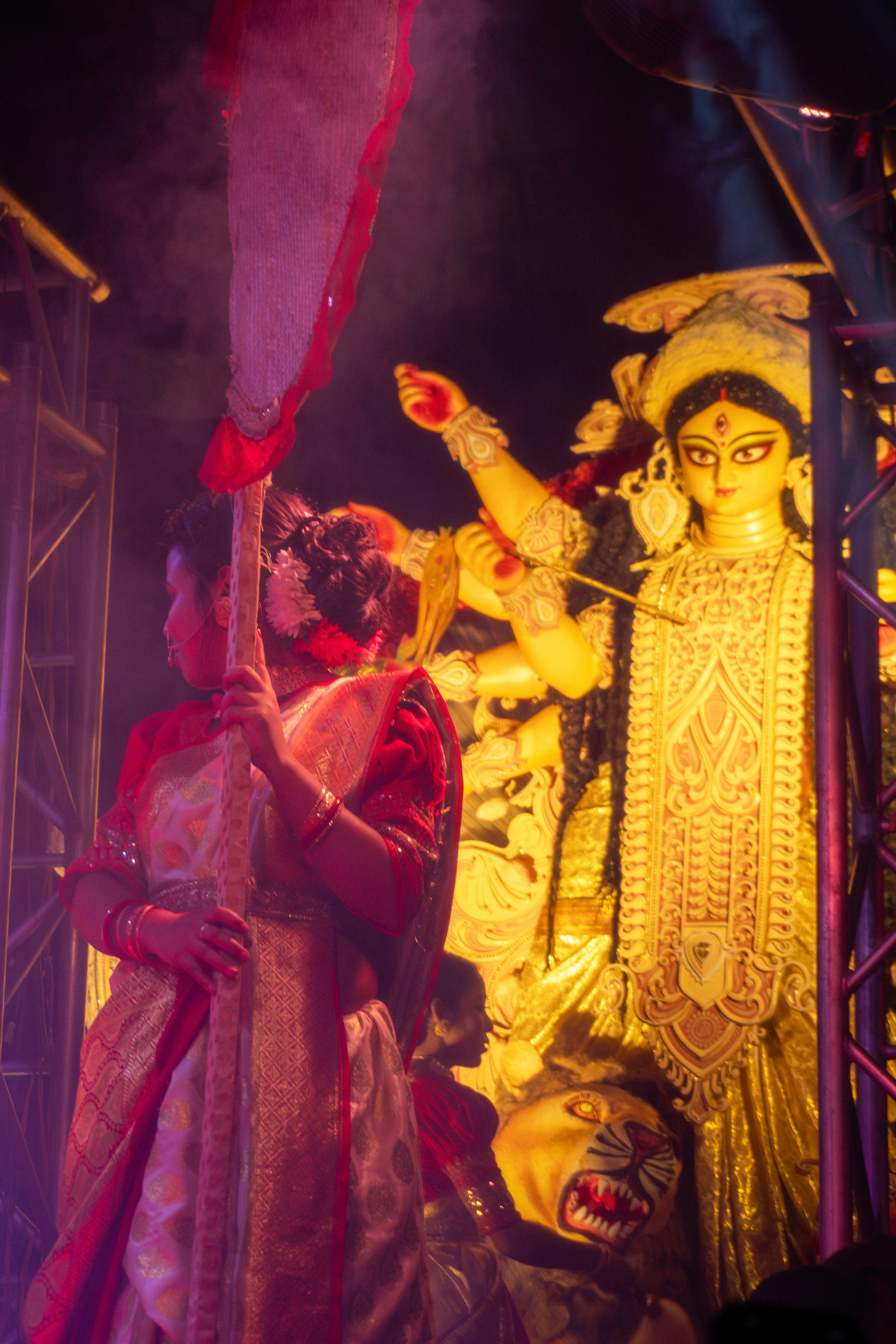
Religious festivals are vibrant celebrations that reflect the traditions, beliefs, and cultural values of specific faith communities. These events often mark significant historical or spiritual events and bring communities together. For example, Eid al-Fitr is celebrated by Muslims to mark the end of Ramadan with joyous gatherings, fine meals, and communal prayers. Similarly, Diwali, the Festival of Lights, celebrates Hindu values of light overcoming darkness and good triumphing over evil, creating an atmosphere of joy and togetherness.
The Essence of National Festivals
In contrast to religious festivals, national festivals are secular holidays designed to promote patriotism, unity, and celebration of a nation’s heritage. Events such as Independence Day and Republic Day serve as reminders of a country’s struggles and triumphs, honoring historical milestones that have shaped a nation. These celebrations often include parades, cultural performances, and symbolic ceremonies that foster a sense of belonging among citizens.
Connecting Through Celebrations
Both religious and national festivals play essential roles in uniting individuals. While religious festivals deepen spiritual connections and community bonds, national festivals focus on collective pride and identity. Understanding and participating in both types of celebrations allow people to appreciate the rich tapestry of traditions and values within their society. As we celebrate these diverse festivals, we foster a sense of respect and recognition for the shared history and beliefs that form the foundation of our communities.