Exploring the Longest River in the World

Exploring the Longest River in the World

Introduction to the World’s Longest River

The journey of rivers has always captivated the imagination of many. Among these waterways, the title of the longest river in the world has been a subject of debate. While numerous rivers snake through diverse landscapes, two main contenders often arise: the Amazon River and the Nile River.

Amazon vs. Nile: The Length Controversy

The Amazon River, flowing through South America, is renowned for its vast basin and biodiversity. Some studies suggest its length exceeds that of the Nile, reaching approximately 4,345 miles (7,062 kilometers) when measured from its most distant source to its mouth. The Nile, on the other hand, measures around 4,135 miles (6,853 kilometers) and is traditionally recognized as the longest river. This ongoing debate highlights the complexities of defining river lengths and their sources.

The Significance of the Longest River

The longest river in the world is more than just an impressive figure; it plays a crucial role in its ecosystem and the livelihoods of people living along its banks. The Amazon River is essential for local communities, serving as a transportation route and providing resources like fish and fresh water. Additionally, both the Amazon and the Nile support diverse flora and fauna, making them critical to environmental health.

Understanding these magnificent rivers enhances our appreciation for natural wonders. Whether or not you recognize the Amazon or the Nile as the longest river, their importance is undeniable, stretching far beyond mere measurements.

Exploring the 10 Largest Cities in California

Exploring the 10 Largest Cities in California

Introduction to California’s Largest Cities

California, known for its stunning landscapes and vibrant culture, is home to numerous large cities. Understanding the demographics and features of these urban centers provides insight into the state’s economy, culture, and lifestyle. Here, we explore the 10 largest cities in California, showcasing their unique characteristics.

1. Los Angeles

As the largest city in California, Los Angeles is a sprawling metropolis famous for its entertainment industry, including Hollywood. With a diverse population and a wide array of attractions from beaches to mountains, this city stands out as a cultural hub.

2. San Diego

San Diego, known for its pleasant climate and beautiful coastlines, ranks as the second-largest city in California. It is a prime destination for tourism, providing a blend of outdoor activities, restaurants, and vibrant neighborhoods.

3. San Jose

Third on the list, San Jose is the heart of Silicon Valley. This city is known for its tech industry, prosperous economy, and an array of cultural attractions, making it a leading urban center in California.

4. San Francisco

Famed for its iconic Golden Gate Bridge and vibrant arts scene, San Francisco ranks fourth in size. This city offers a blend of history and modernity, attracting millions of tourists each year.

5. Fresno

Located in Central California, Fresno is the fifth largest city and serves as an agricultural hub. Its proximity to national parks enhances its appeal to nature lovers and adventurers.

6. Sacramento

Sacramento, the state capital, comes in sixth. It boasts a rich history and political significance, contributing to California’s governance and public policies.

7. Long Beach

Long Beach follows, known for its waterfront attractions and vibrant arts scene. The city plays a key role in trade and shipping due to its bustling port.

8. Oakland

Ranked eighth, Oakland is a diverse city with a rich cultural heritage. It offers a mix of urban life and nature, with access to beautiful parks and waterways.

9. Bakersfield

Bakersfield, known for its oil production and agriculture, holds the ninth spot. The city has a rapidly growing economy and offers a variety of recreational activities.

10. Anaheim

Finally, Anaheim rounds out the list as the tenth largest city, famous for Disneyland Resort. This family-friendly destination attracts millions of visitors each year, contributing significantly to California’s tourism industry.

Exploring the Coldest Regions on Earth: A Closer Look at Antarctica, Greenland, and Russia

Exploring the Coldest Regions on Earth: A Closer Look at Antarctica, Greenland, and Russia

Understanding the Coldest Place on Earth

When discussing the coldest regions on the planet, one must first recognize that Antarctica, although not a country, holds the record. This vast, icy continent experiences extreme temperatures that can plummet far below zero degrees Celsius. These profound conditions make Antarctica a unique research site for scientists studying climate change and its impacts.

Greenland and Its Cold Climate

While Antarctica is often recognized as the starkest cold region, Greenland frequently ranks alongside it when considering countries. As a dependency of Denmark, Greenland encompasses vast ice sheets, which contribute to its chilling average land-surface temperatures. These icy expanses can experience long winters where temperatures dip significantly, making it one of the coldest inhabited places.

Russia: A Frigid Territory

Russia, the largest country in the world, also deserves mention in this category. Certain regions in Siberia report some of the lowest temperatures recorded anywhere, rivaling those of Greenland and Antarctic locations. The harsh winters and extensive frost in Russia are a testament to nature’s ability to create environments that challenge both humans and wildlife alike.

In conclusion, while Antarctica may take the title for the coldest place on Earth overall, Greenland and Russia are notable regions that showcase exceptional cold climates worthy of recognition. Understanding these areas helps us appreciate the diverse environments our planet has to offer.

Exploring the Antarctic Desert: The World’s Largest Desert

Exploring the Antarctic Desert: The World's Largest Desert

Understanding the Antarctic Desert

The Antarctic Desert, known as the world’s largest desert, spans an incredible 5.5 million square miles. This vast expanse of ice and snow might seem like an unlikely candidate for a desert designation. However, it qualifies as a desert due to its extremely low annual precipitation levels.

Features of the Antarctic Desert

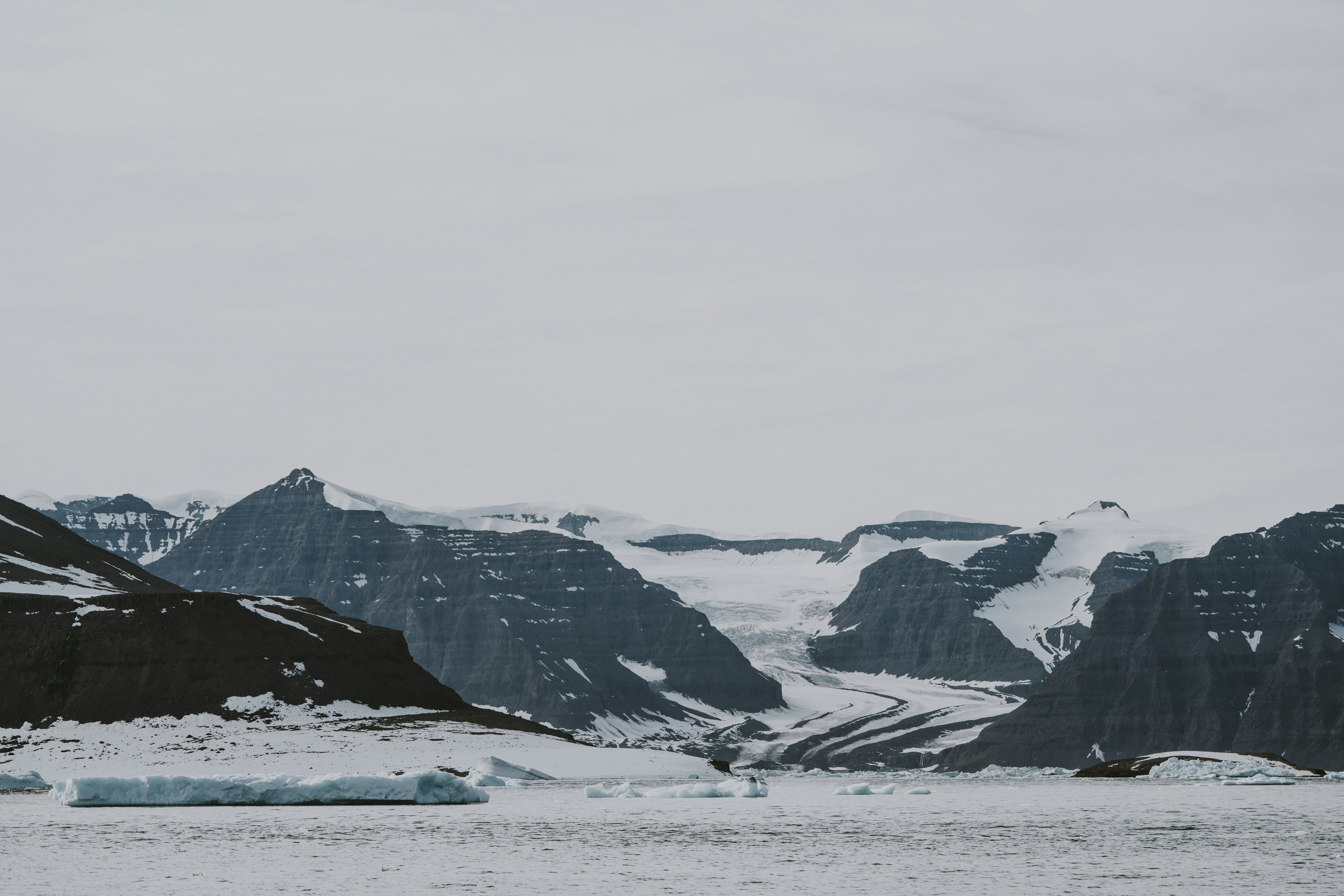
Characterized by its icy landscapes, the Antarctic Desert is home to numerous fascinating features. These include towering icebergs, expansive ice sheets, and unique geological formations. The extreme cold and aridity make it one of the harshest environments on the planet, where very little moisture falls. In fact, much of the continent has not seen rainfall in recorded history.

The Importance of the Antarctic Ecosystem

Despite the severe conditions, the Antarctic Desert plays a critical role in the Earth’s ecosystem. It significantly influences global climate patterns and ocean currents. Furthermore, it serves as a habitat for various species, including penguins, seals, and numerous microorganisms that have adapted to survive in these extreme conditions.

In conclusion, while the Antarctic Desert may be known for its icy terrain, it is essential to recognize its classification as a desert based on its low precipitation levels. Its vastness and unique ecosystem make it a significant location on our planet.