
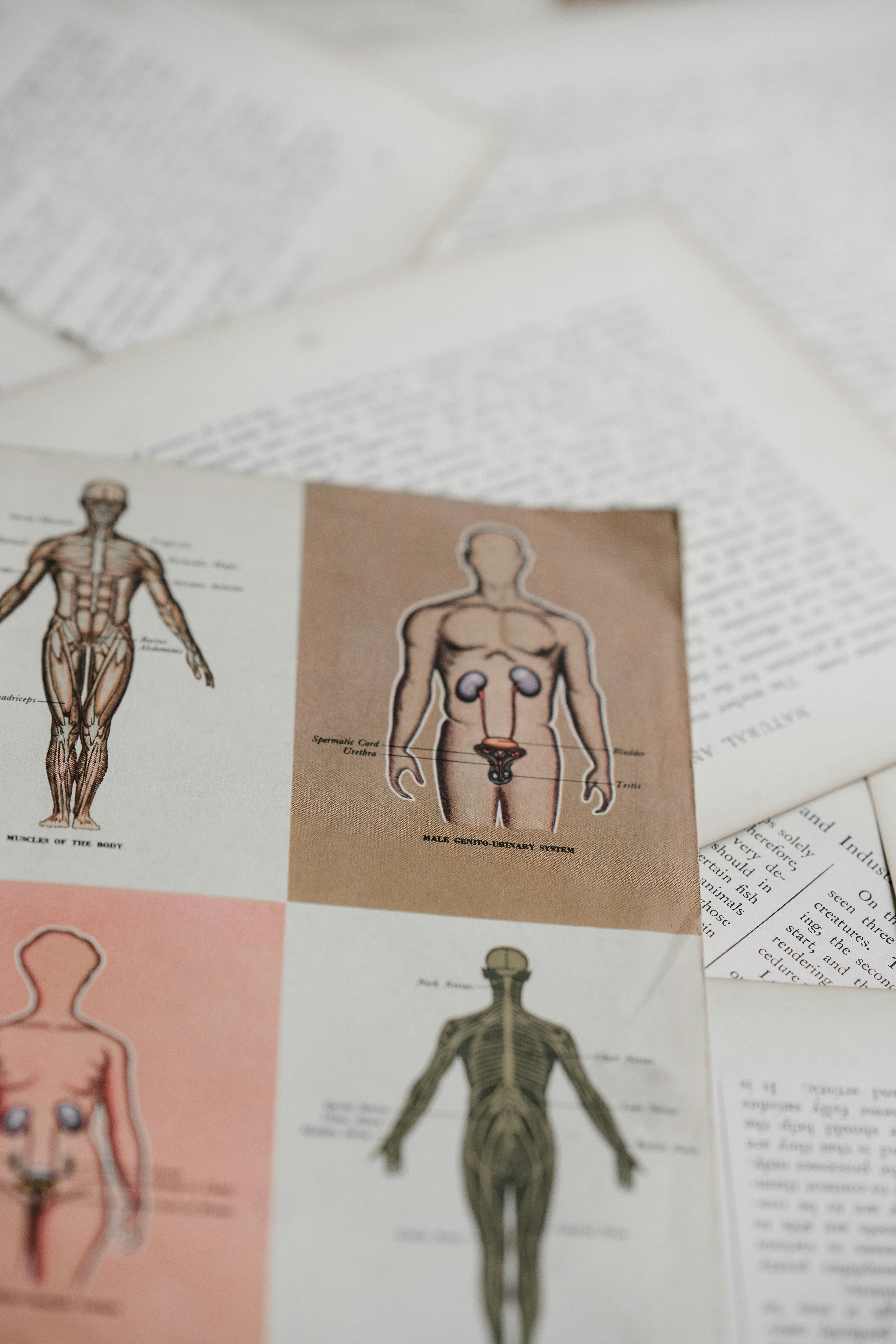
Introduction to the Human Body
The human body is a complex and intricate system, composed of various structures that work in harmony. From the smallest cell to the entire organ systems, each component plays a crucial role in maintaining health and functionality. By exploring the various aspects of body structure, we can gain a deeper appreciation for what makes us human.
Key Components of Body Structure
The body is composed of several foundational elements: cells, tissues, organs, and systems. Cells are the building blocks of life, forming tissues that then combine to create organs such as the heart, lungs, and liver. These organs work together in systems, such as the circulatory system or the respiratory system, to execute vital functions. Understanding this hierarchy is essential for studying human biology.
The Importance of Body Structure in Health
The structure of the human body significantly influences overall health. For instance, the integrity of our skeletal system provides support and protection for vital organs, while a well-functioning muscular system allows for movement and physical activity. Any disruption or injury to these structures can lead to a variety of health issues. Thus, maintaining the body’s structure through proper nutrition, exercise, and medical care is vital for sustaining a healthy life.
In conclusion, exploring the human body and its structure reveals the complexity and beauty of our physiological design. By appreciating the interconnections between cells, tissues, and organs, we can better understand how to care for our bodies and promote long-term health.