Understanding the MM Size Diamond Chart: A Comprehensive Guide

Understanding the MM Size Diamond Chart: A Comprehensive Guide

Introduction to Diamond Sizes

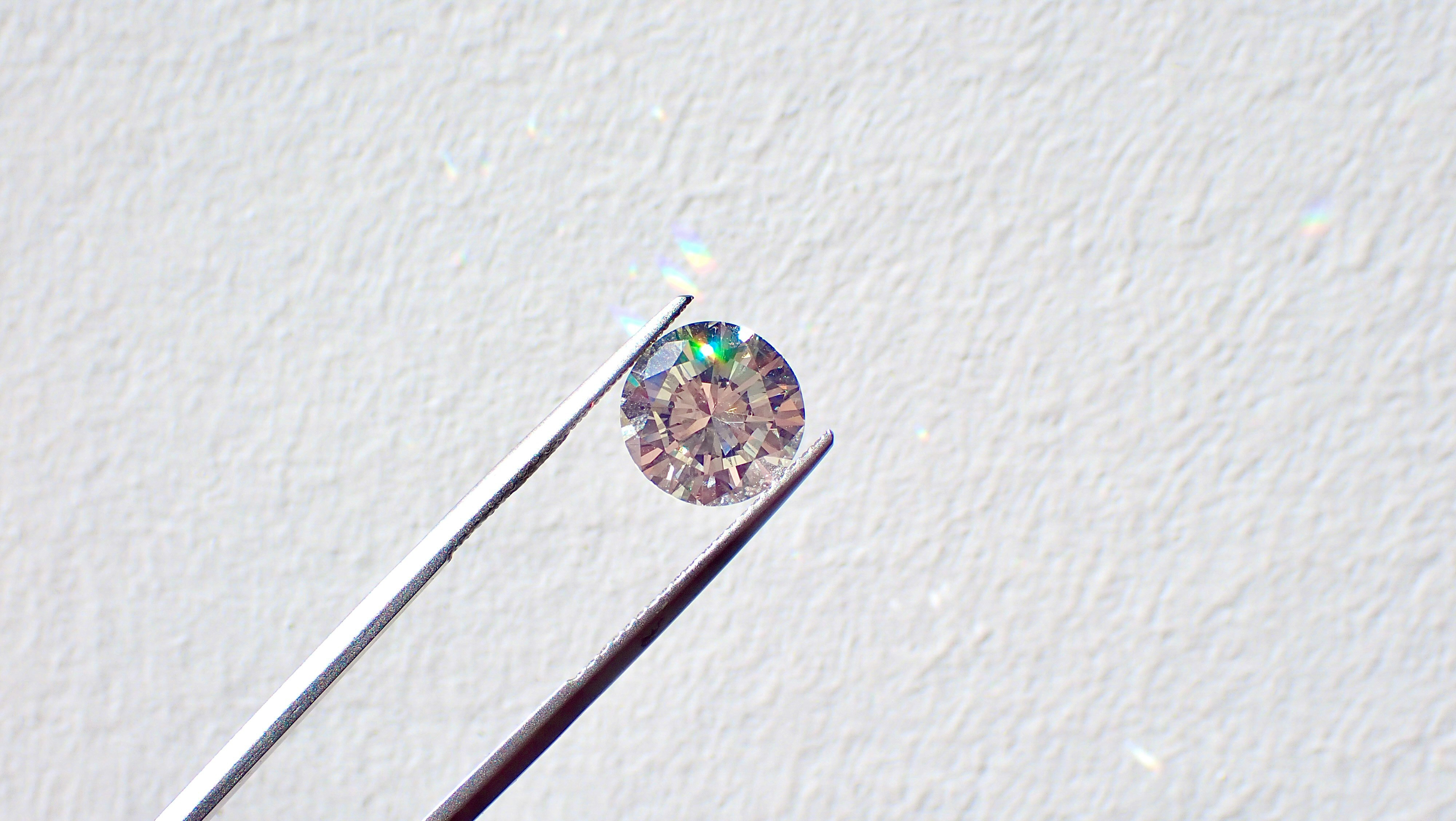
When it comes to choosing the perfect diamond, understanding the mm size diamond chart is essential. This chart translates carat weight into millimeter measurements, providing a visual representation of how different diamond sizes appear. A clear understanding of this chart can help you make an informed decision when selecting a diamond for an engagement ring or other jewelry.

Deciphering the MM Size Diamond Chart

The mm size diamond chart helps buyers visualize the actual size of diamonds based on their carat weight. For instance, a 1-carat diamond typically measures about 6.5 mm in diameter, while a 2-carat diamond can measure approximately 8.1 mm. Knowing these dimensions allows potential buyers to set realistic expectations about the size of the diamond they desire.

Factors Affecting Perceived Size

Beyond the numerical size indicated in the mm size diamond chart, there are other factors that can affect how large a diamond looks. The shape of the diamond, the cut quality, and the setting type all play a crucial role in its overall appearance. For example, a well-cut diamond can appear larger than one with poor cut quality, even if their identical carat weight is considered.

In conclusion, the mm size diamond chart serves as a valuable tool for anyone in search of the ideal diamond. By familiarizing yourself with this chart and understanding the factors that influence a diamond’s perceived size, you can find a gem that fits your preferences and your budget perfectly.
The Pros and Cons of Platinum Jewelry

The Pros and Cons of Platinum Jewelry

Understanding Platinum Jewelry

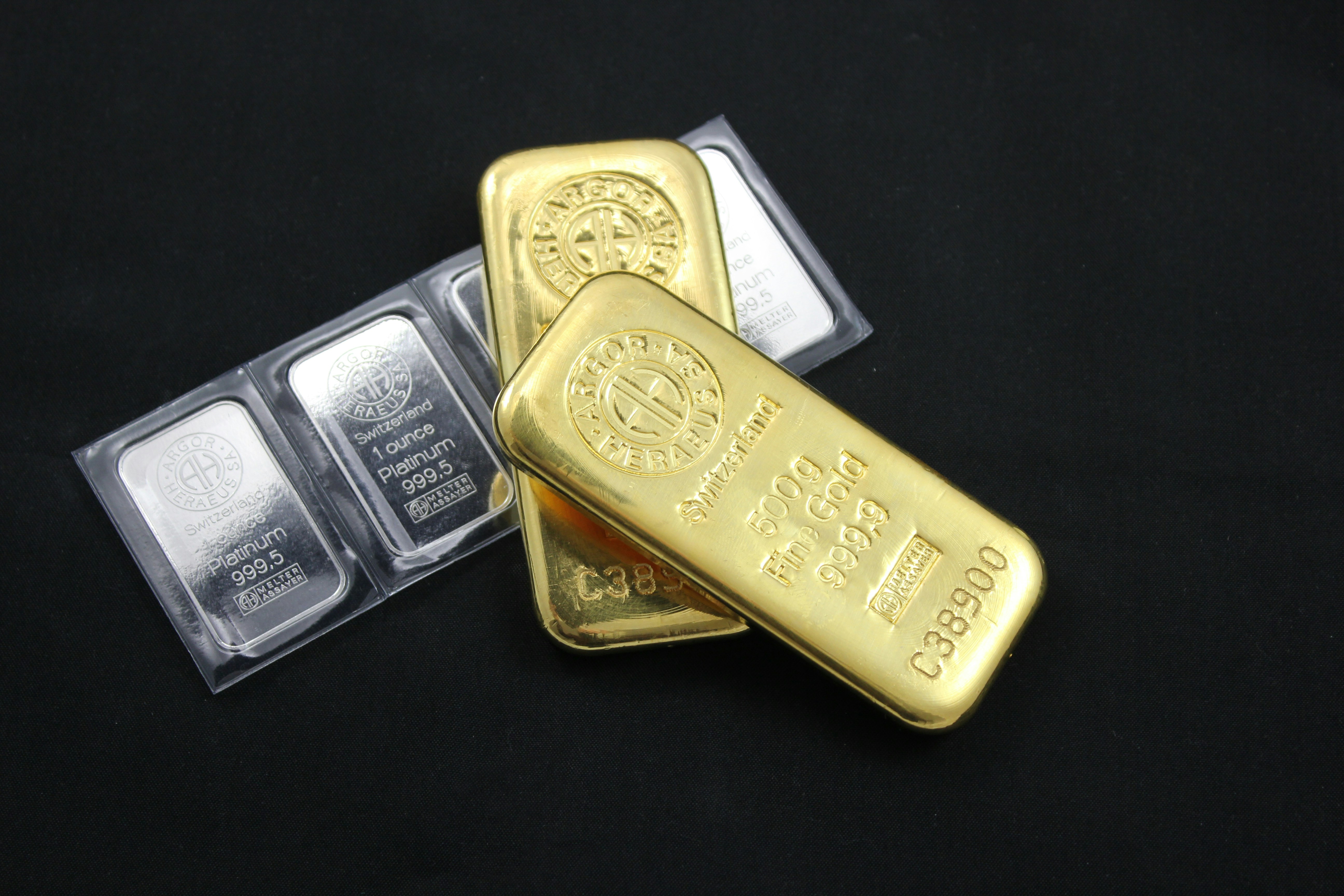
Platinum jewelry is often lauded for its exceptional beauty and remarkable durability. As a precious metal, it possesses a stunning luster that many buyers appreciate. However, there are various factors to consider that may not make it the ideal choice for everyone.

The High Cost of Luxury

One of the primary drawbacks of platinum jewelry is its price. It is significantly more expensive than gold, making it a less accessible option for some individuals. If you’re considering an engagement ring or special piece, you will want to weigh the financial commitment against your budget.

Practical Considerations

In addition to cost, platinum jewelry is heavier than gold. This added weight can make it uncomfortable for some wearers, especially if you are not accustomed to heavy rings or bracelets. Another important aspect to consider is the challenges associated with resizing or repairing platinum items. Due to its density and unique properties, it is often more complex than dealing with other metals like 14k gold.

Moreover, platinum develops a natural patina over time, which can alter its appearance. While some people appreciate this change, others may find it unappealing and prefer the shiny look of newly polished jewelry. Lastly, platinum can be more susceptible to scratching than gold, which may not appeal to those seeking a long-lasting finish.

In summary, while platinum jewelry holds a reputable status for its beauty and endurance, potential buyers should carefully consider its cost, weight, maintenance, and susceptibility to scratches before making a purchase.

The Allure of Platinum Jewelry: A Timeless Choice

The Allure of Platinum Jewelry: A Timeless Choice

Introduction to Platinum Jewelry

Platinum jewelry has long been revered for its durability, luster, and rarity. Unlike other metals, platinum retains its sheen indefinitely, making it a popular choice for various types of jewelry, including engagement rings and wedding bands. The unique characteristics of this metal set it apart, making it an alluring choice for anyone seeking elegance and longevity.

The Benefits of Choosing Platinum

One of the most significant advantages of platinum jewelry is its strength. This metal is denser and more durable than gold, making it highly resistant to wear and tear. Additionally, platinum is hypoallergenic, which is vital for those with sensitive skin. Furthermore, this jewelry is less likely to cause allergic reactions, ensuring that it can be worn comfortably for years on end.

Care and Maintenance of Platinum Jewelry

Although platinum is a resilient metal, it is essential to maintain its brilliance. Regular cleaning is recommended, as this prevents tarnishing and the buildup of dirt. A simple soap and water solution can restore the shine, while professional cleaning services can handle more intricate pieces. By taking these steps, you can ensure your platinum jewelry remains stunning and retains its value over time.

Understanding Gold Karat: A Guide to Gold Purity

Understanding Gold Karat: A Guide to Gold Purity

What is Gold Karat?

Gold karat is a standardized measurement system that quantifies the purity of gold. This rating is assessed on a scale of 24 parts, with 24k signifying pure gold. The karat system not only helps in determining gold’s quality but also assists consumers in making informed purchasing decisions.

How Gold Karat Works

To understand how gold karat works, it is essential to know that each karat represents 1/24 of the whole. For instance, 18k gold contains 18 parts gold and 6 parts other metals, making it 75% pure. The remaining metals can include silver or copper, which contribute to the overall color and durability of the gold alloy.

Importance of Knowing Gold Karat

Understanding the karat of gold you are purchasing or owning is crucial. It affects not only the value of the gold but also its performance over time. Higher karat gold is typically softer and more malleable, making it more susceptible to scratches and dents, while lower karat gold offers enhanced durability due to the presence of additional metals.

In conclusion, the gold karat system is an effective way to gauge the quality and purity of gold products. Whether you’re an investor or a jewelry enthusiast, knowing the karat of your gold ensures you appreciate its true worth.

Choosing Between Gold and Silver Jewelry: What You Need to Know

Choosing Between Gold and Silver Jewelry: What You Need to Know

Understanding Gold Jewelry

Gold jewelry has long been favored for its classic warmth and timeless appeal. A popular choice among those looking to invest, gold holds significant value, making it not only a beautiful accessory but also a worthy investment. Whether you’re selecting a piece for everyday wear or a special occasion, its rich tones complement various styles and can enhance your overall look.

The Allure of Silver Jewelry

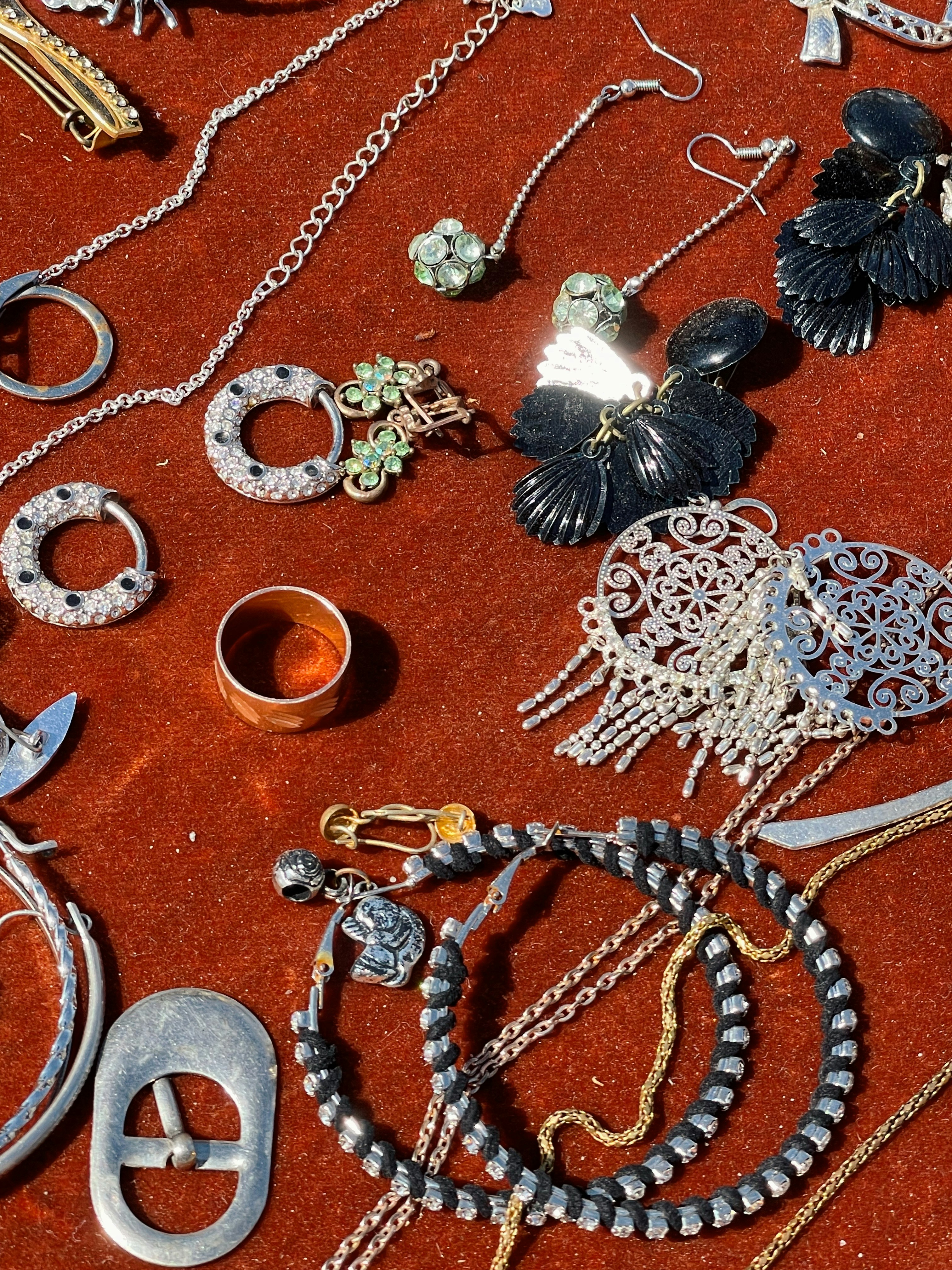
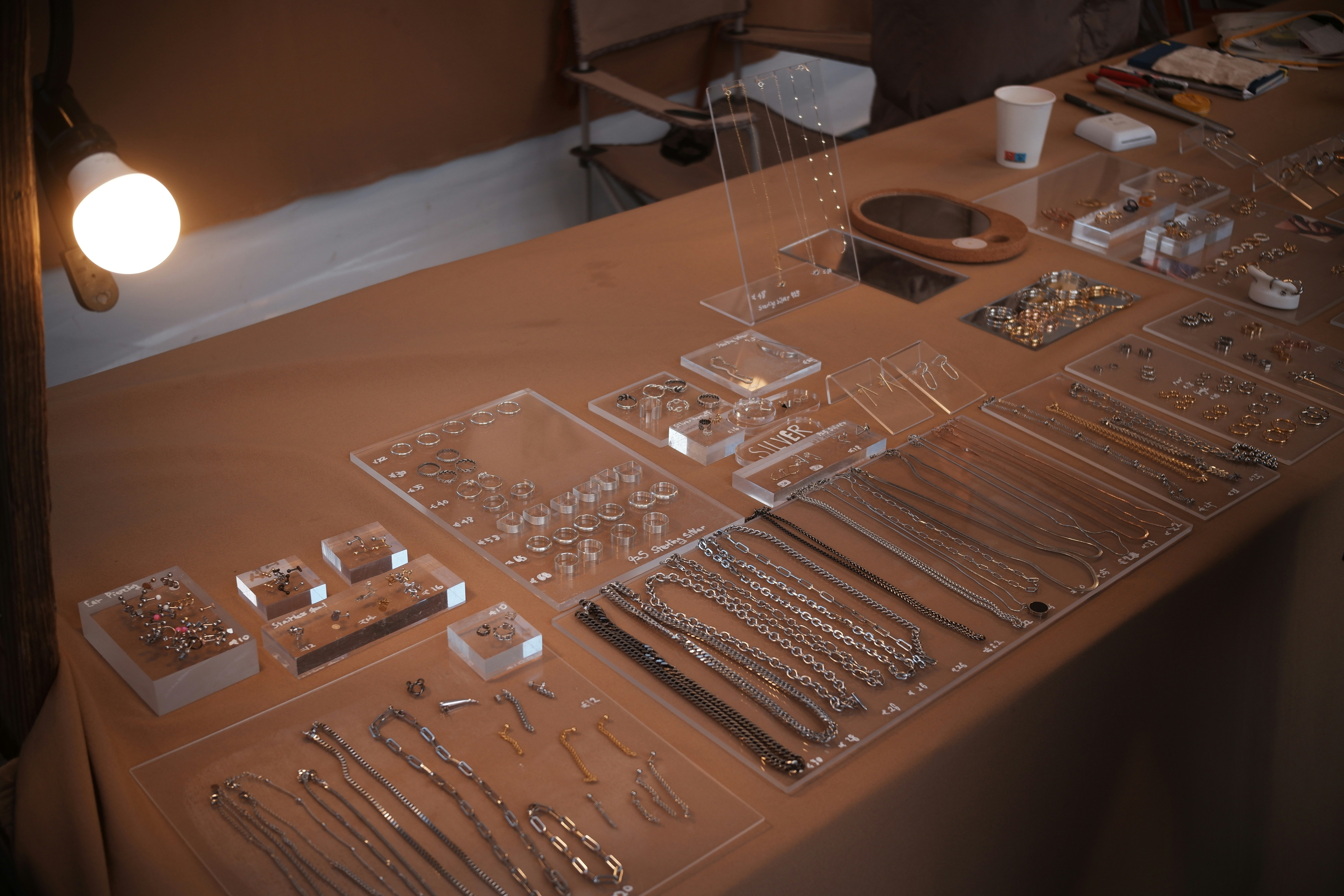
On the other hand, silver jewelry presents a cool, modern aesthetic and is often seen as a more budget-friendly option. With its bright sheen and sleek designs, silver can add a contemporary flair to any outfit. Perfect for those who prefer a minimalist approach or who are just starting to build their jewelry collection, silver pieces are versatile and easy to pair with various styles.

Making the Right Choice for You

When it comes to selecting between gold and silver, the decision ultimately hinges on a few key factors: your personal style, skin tone, and the look you wish to achieve. Gold typically works wonderfully on warmer skin tones, while silver tends to complement cooler undertones. Consider your wardrobe and the occasions where you’ll wear the jewelry. Understanding these elements can help you choose the perfect pieces that reflect your taste and enhance your appearance.

The Perfect Pairing: Women’s Clothes, Jewelry, and Accessories

The Perfect Pairing: Women’s Clothes, Jewelry, and Accessories

Elevate Your Fashion Game

When it comes to enhancing your wardrobe, combining women’s clothes with the right jewelry and accessories is essential. Each piece plays a vital role in creating a stylish and cohesive look that expresses your unique personality.

Choosing the Right Jewelry

Jewelry can transform any outfit from ordinary to extraordinary. Whether you prefer statement earrings, delicate necklaces, or bold bracelets, the types of jewelry you choose can greatly affect your overall appearance. It’s essential to consider how each piece complements your clothing. For instance, pairing a simple dress with a striking necklace can highlight your neckline beautifully.

Accessorizing with Purpose

Accessories can often be the finishing touch that brings your entire look together. Bags, scarves, and hats are not just practical items—they can also serve as key elements of your outfit. When selecting these additional items, keep in mind the colors and fabrics of your clothes. Opt for accessories that harmonize with your wardrobe, as this will create a seamless and elegant look.

Ultimately, the combination of women’s clothes, jewelry, and accessories allows you to showcase your style in many creative ways. By thoughtfully choosing your pieces, you can express yourself through fashion while feeling confident in your appearance. Experimenting with different styles is part of the fun; there are endless possibilities to explore! Embrace your individuality and let your fashion choices shine.

Essential Men’s Clothing, Shoes, and Accessories for Every Occasion

Essential Men’s Clothing, Shoes, and Accessories for Every Occasion

Introduction to Men’s Fashion

Understanding men’s fashion is crucial in today’s style-conscious world. Whether it’s for a casual day out or a formal office meeting, the right choice in clothing, shoes, and accessories can make a significant impact. This guide explores essential pieces that every man should have in his wardrobe.

Wardrobe Staples: Clothing for Every Occasion

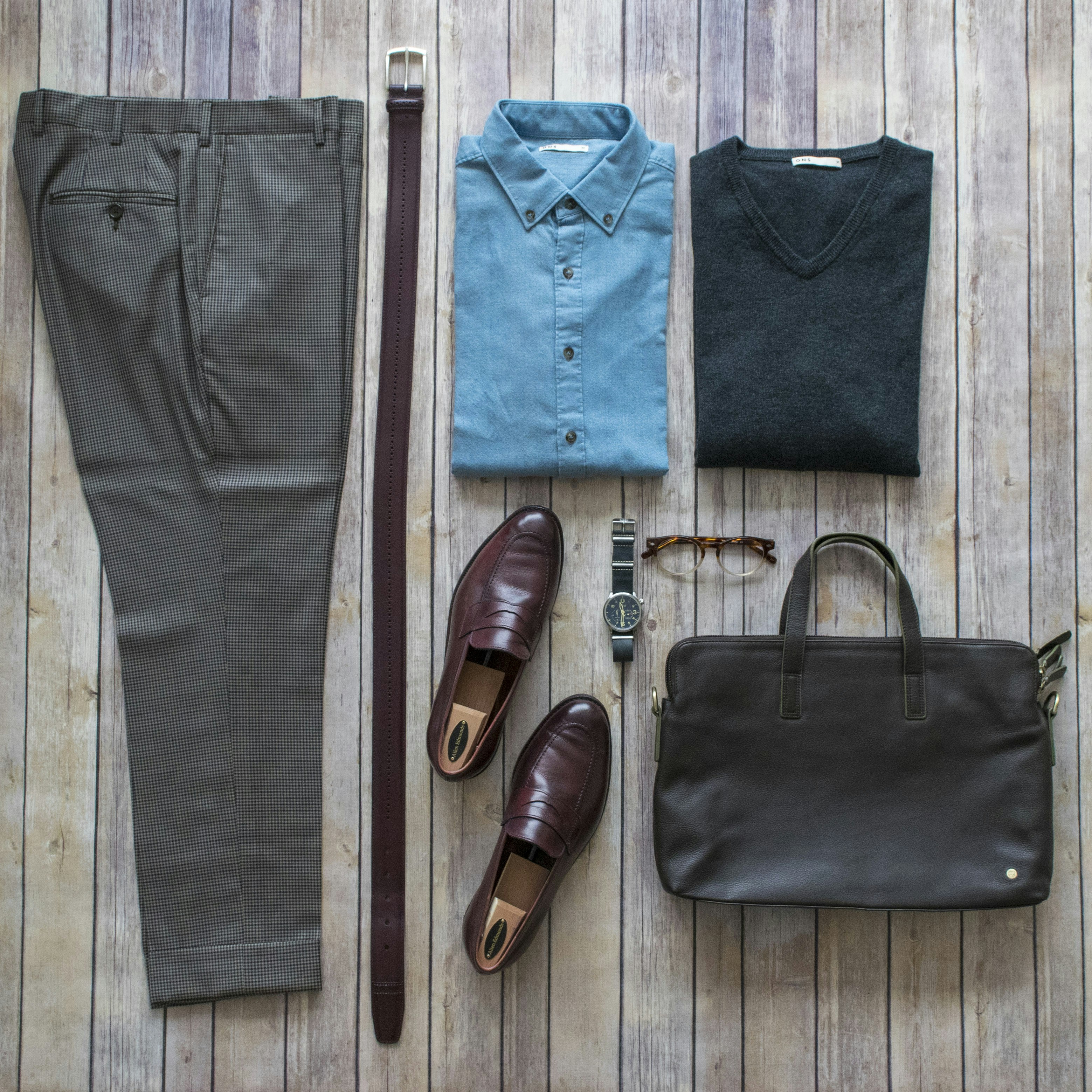
Men’s clothing varies based on occasion and personal style. Casual wear such as well-fitted jeans and comfortable t-shirts is perfect for weekends. When it comes to more formal settings, a tailored suit is a must. Make sure to pair it with a crisp dress shirt and a tie that complements your look. Versatile clothing choices make transitioning between casual and formal settings seamless.

Footwear: The Foundation of Your Outfit

The right shoes can elevate your overall appearance. Sneakers are a great option for relaxed, everyday wear, while dress shoes, like oxfords or loafers, are ideal for more formal occasions. Don’t forget to consider the color and material of your shoes—leather tends to be a more sophisticated choice. In addition, incorporating seasonal footwear such as boots can enhance your style throughout the year.

Accessorizing: Adding Personality to Your Look

Accessories play a vital role in men’s fashion. Watches, belts, and bags not only serve practical purposes but also express individuality. A classic leather belt can complement any outfit, while a stylish watch can convey elegance. Additionally, consider adding accessories like hats or scarves to add character to your ensemble.

In conclusion, investing in quality men’s clothing, shoes, and accessories can enhance your style and confidence, making a lasting impression in any situation.

Enhancing Jewelry Photography with the Right Software

Enhancing Jewelry Photography with the Right Software

Importance of Jewelry Photography

Jewelry photography is crucial for showcasing the intricate details and beauty of each piece. The right images can make a significant difference in customer engagement and sales. Therefore, understanding how to capture high-quality images is vital for jewelers and retailers alike.

Choosing the Right Software for Jewelry Pictures

Using specialized software can greatly enhance the quality of your jewelry pictures. Editing software can help you adjust lighting, sharpen details, and even remove any imperfections in the images. Before selecting a program, consider the features you need, whether it’s basic editing capabilities or advanced functionalities for professional results.

Tips for Capturing Stunning Jewelry Images

To achieve the best results, set up a dedicated space with appropriate lighting. Natural light is often best, but soft box lights can also work wonders. Additionally, using a tripod can help stabilize your camera and prevent blurriness. Experiment with different angles and backgrounds to find the perfect composition that highlights your jewelry.

Finally, remember to regularly practice and review your pictures. Incorporating feedback and learning from each shoot will help you refine your skills in jewelry photography, ultimately enhancing your overall presentation. By combining effective software and photography techniques, you can significantly elevate the appeal of your jewelry pieces.

Essential Tools for Jewelry Design: A Guide for Beginners

Essential Tools for Jewelry Design: A Guide for Beginners

Introduction to Jewelry Design

Jewelry design is a captivating art form that blends creativity and skill. Whether you are a novice or an experienced artisan, having the right jewelry tools can significantly enhance your crafting experience. In this article, we will explore essential tools that every jewelry designer should consider.

Must-Have Jewelry Tools

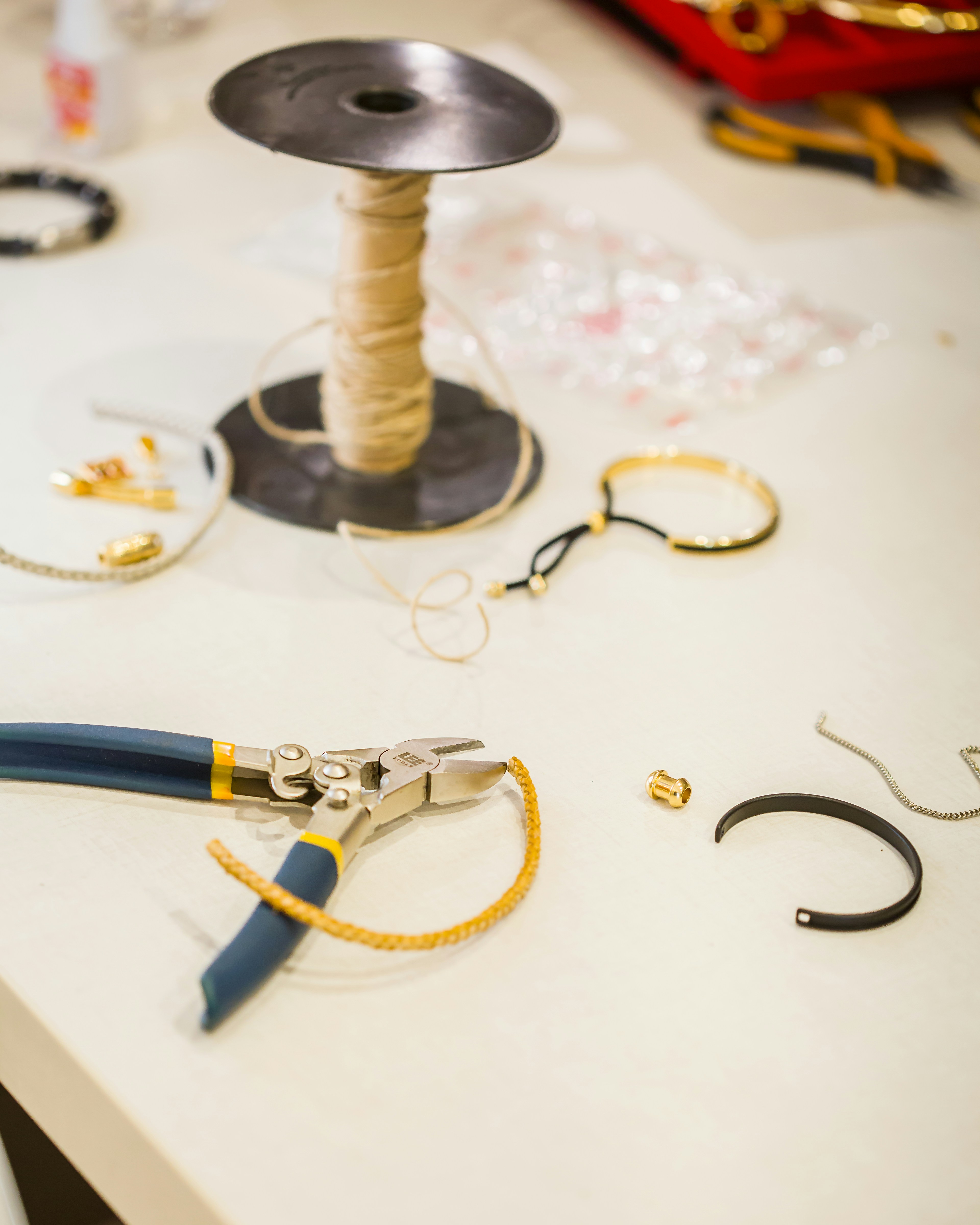
First and foremost, a set of high-quality pliers is indispensable. Round-nose, flat-nose, and wire-cutting pliers allow you to manipulate and trim metals and materials effectively. Another vital tool is a bench block, which provides a sturdy surface for hammering and shaping your designs.

Investing in a jeweler’s saw is also crucial for intricate cuts. This tool enables precise detailing, allowing you to bring your artistic vision to life. Additionally, a set of files comes in handy for smoothing sharp edges, giving your pieces a professional finish.

Enhancing Your Jewelry Creation Process

Beyond basic tools, consider exploring more advanced equipment like a soldering kit. This allows you to join metal pieces securely, opening avenues for more complex designs. Furthermore, a quality workstation tailored for jewelry making can enhance your productivity and maintain organization.

In conclusion, the right jewelry design tools not only streamline the creation process but also elevate your overall craftsmanship. As you continue to develop your skills, don’t hesitate to experiment with different tools and techniques to find what works best for you. Happy designing!

Lab Grown Diamonds vs. Natural Diamonds: A Comprehensive Comparison

Lab Grown Diamonds vs. Natural Diamonds: A Comprehensive Comparison

Understanding Lab Grown Diamonds

Lab grown diamonds are created using advanced technological processes designed to replicate the natural diamond formation that occurs over billions of years. These diamonds possess the same physical, chemical, and optical properties as natural diamonds, making them indistinguishable to the naked eye. What sets lab grown diamonds apart is their ethical and environmentally-friendly production, as they do not contribute to the mining industry’s adverse effects.

The Features of Natural Diamonds

On the other hand, natural diamonds are formed deep within the Earth’s mantle under extreme pressure and temperature, taking millions of years to create. They are often valued for their rarity and the story behind their origin. Natural diamonds can hold sentimental treasure, many people cherish their significance and the natural processes that bring them to light.

Making an Informed Choice

When choosing between lab grown diamonds and natural diamonds, it’s essential to consider various factors. Lab grown diamonds typically come at a lower price point, which allows consumers to obtain larger sizes or better qualities for their budget. However, natural diamonds often provide a sense of historical connection that’s unmatched. It’s crucial to assess your personal values, budget, and desired aesthetic when deciding between these two options.