Determining Your Jewelry Type: Gold or Silver?

Determining Your Jewelry Type: Gold or Silver?

Understanding Your Jewelry Preferences

When it comes to selecting jewelry, knowing whether you are more inclined towards gold or silver can greatly enhance your style choices. Each type of metal offers distinct aesthetic qualities, and understanding this can help you make more informed decisions about your jewelry purchases.

Classic Characteristics of Gold and Silver

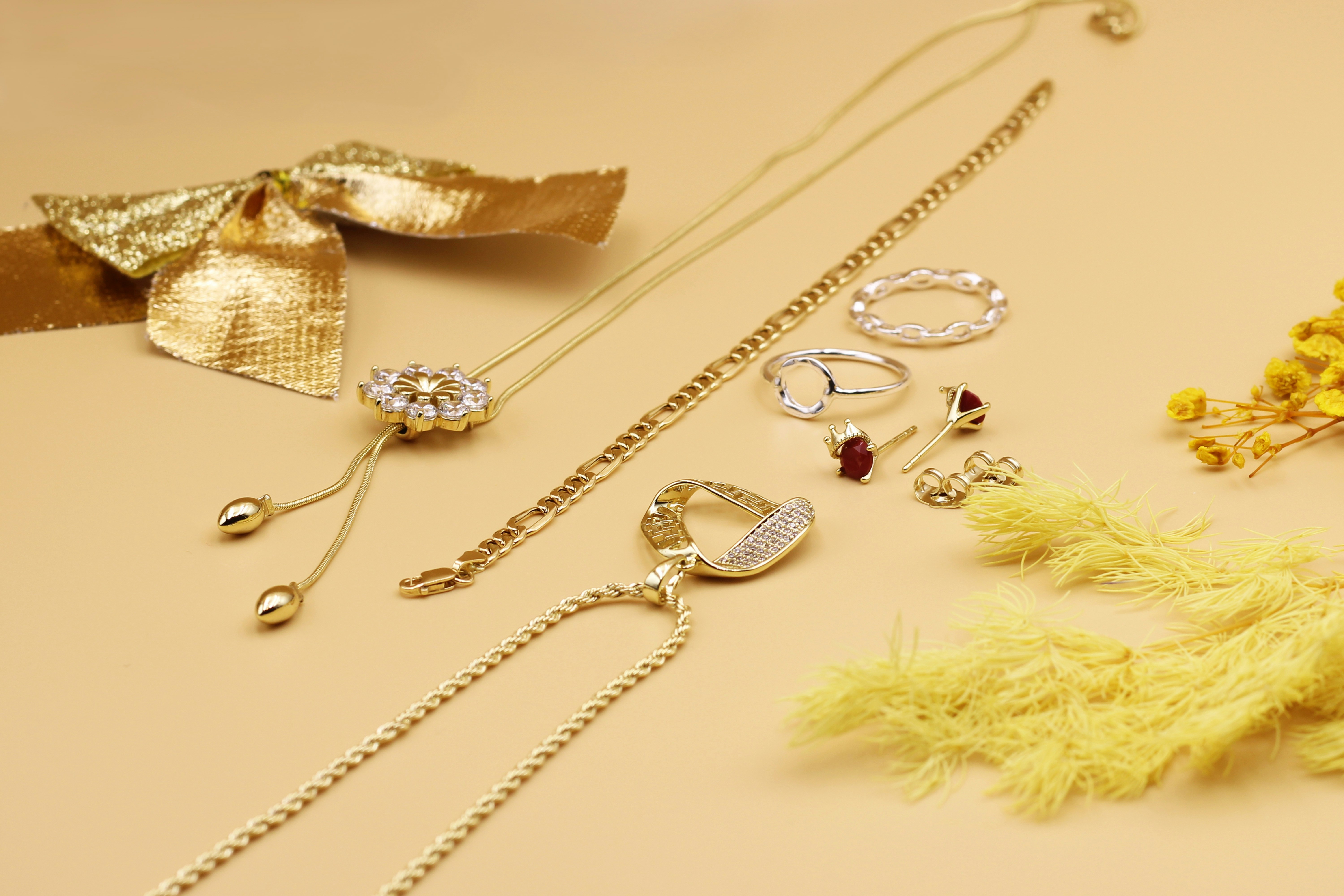
Gold jewelry is often associated with warmth and opulence. It comes in various shades, such as yellow, white, and rose gold. On the other hand, silver is known for its cooler tone, providing a sleek and modern touch to accessories. Observing how these metals complement your skin tone is essential for determining your personal preference.

Testing Your Jewelry Type

One effective method to identify your inclination towards gold or silver is by holding jewelry pieces against your skin. If yellow gold complements your complexion and looks radiant, it likely indicates a preference for gold. Conversely, if silver jewelry stands out beautifully against your skin, it suggests you may lean towards silver. Additionally, consider noting the jewelry you gravitate towards when shopping or receiving gifts; this reflection can reveal valuable insights.

Enhancing Jewelry Photography with the Right Software

Enhancing Jewelry Photography with the Right Software

Importance of Jewelry Photography

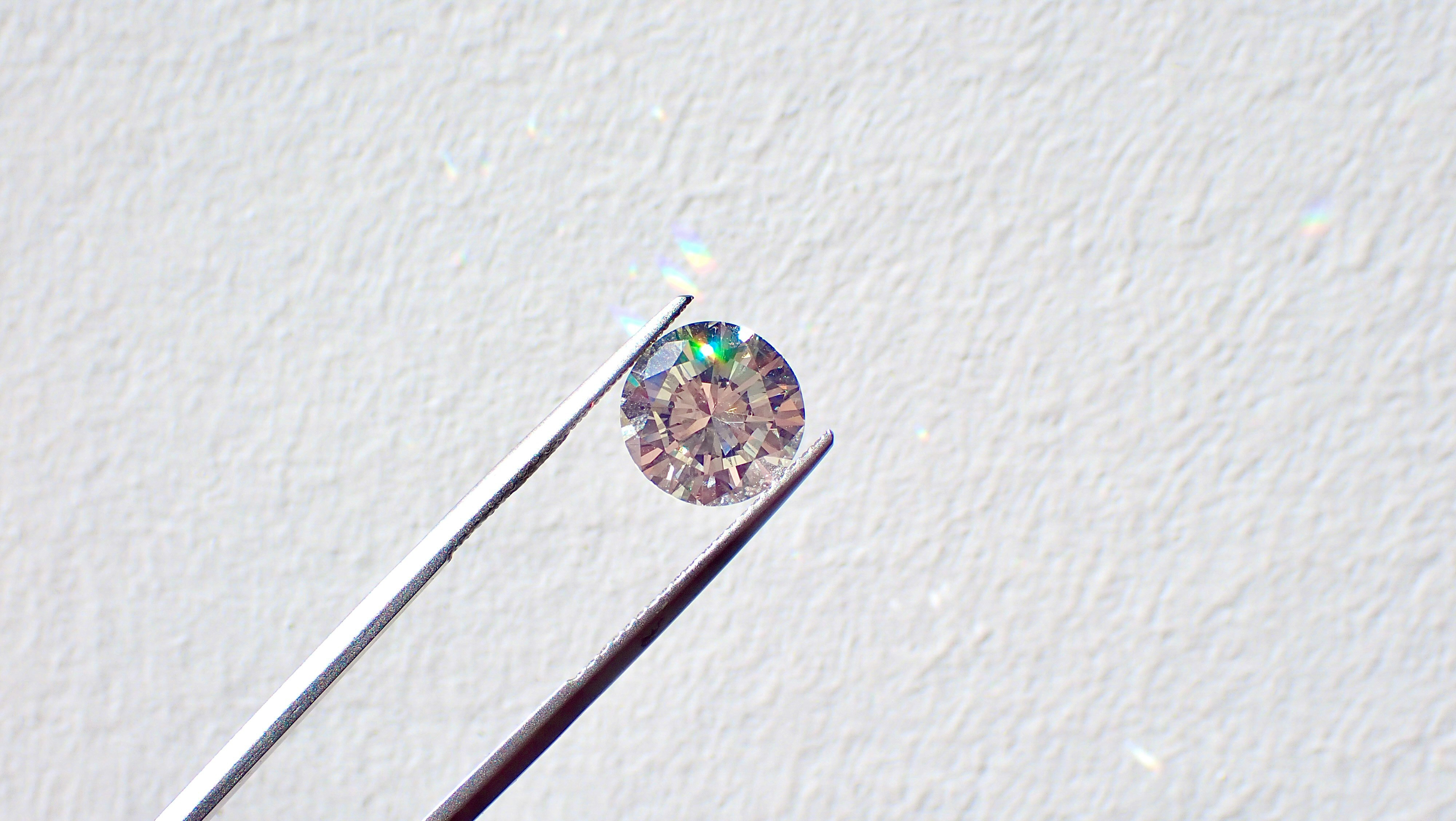
Jewelry photography is crucial for showcasing the intricate details and beauty of each piece. The right images can make a significant difference in customer engagement and sales. Therefore, understanding how to capture high-quality images is vital for jewelers and retailers alike.

Choosing the Right Software for Jewelry Pictures

Using specialized software can greatly enhance the quality of your jewelry pictures. Editing software can help you adjust lighting, sharpen details, and even remove any imperfections in the images. Before selecting a program, consider the features you need, whether it’s basic editing capabilities or advanced functionalities for professional results.

Tips for Capturing Stunning Jewelry Images

To achieve the best results, set up a dedicated space with appropriate lighting. Natural light is often best, but soft box lights can also work wonders. Additionally, using a tripod can help stabilize your camera and prevent blurriness. Experiment with different angles and backgrounds to find the perfect composition that highlights your jewelry.

Finally, remember to regularly practice and review your pictures. Incorporating feedback and learning from each shoot will help you refine your skills in jewelry photography, ultimately enhancing your overall presentation. By combining effective software and photography techniques, you can significantly elevate the appeal of your jewelry pieces.

Lab Grown Diamonds vs. Natural Diamonds: A Comprehensive Comparison

Lab Grown Diamonds vs. Natural Diamonds: A Comprehensive Comparison

Understanding Lab Grown Diamonds

Lab grown diamonds are created using advanced technological processes designed to replicate the natural diamond formation that occurs over billions of years. These diamonds possess the same physical, chemical, and optical properties as natural diamonds, making them indistinguishable to the naked eye. What sets lab grown diamonds apart is their ethical and environmentally-friendly production, as they do not contribute to the mining industry’s adverse effects.

The Features of Natural Diamonds

On the other hand, natural diamonds are formed deep within the Earth’s mantle under extreme pressure and temperature, taking millions of years to create. They are often valued for their rarity and the story behind their origin. Natural diamonds can hold sentimental treasure, many people cherish their significance and the natural processes that bring them to light.

Making an Informed Choice

When choosing between lab grown diamonds and natural diamonds, it’s essential to consider various factors. Lab grown diamonds typically come at a lower price point, which allows consumers to obtain larger sizes or better qualities for their budget. However, natural diamonds often provide a sense of historical connection that’s unmatched. It’s crucial to assess your personal values, budget, and desired aesthetic when deciding between these two options.

A Guide to Different Types of Diamond Shapes in Jewelry

A Guide to Different Types of Diamond Shapes in Jewelry

Introduction to Diamond Shapes

Diamonds are not only coveted for their brilliance but also for their unique shapes. Understanding the various diamond shapes can significantly enhance your jewelry selection process, allowing you to choose a piece that resonates with your personal style.

Popular Diamond Shapes

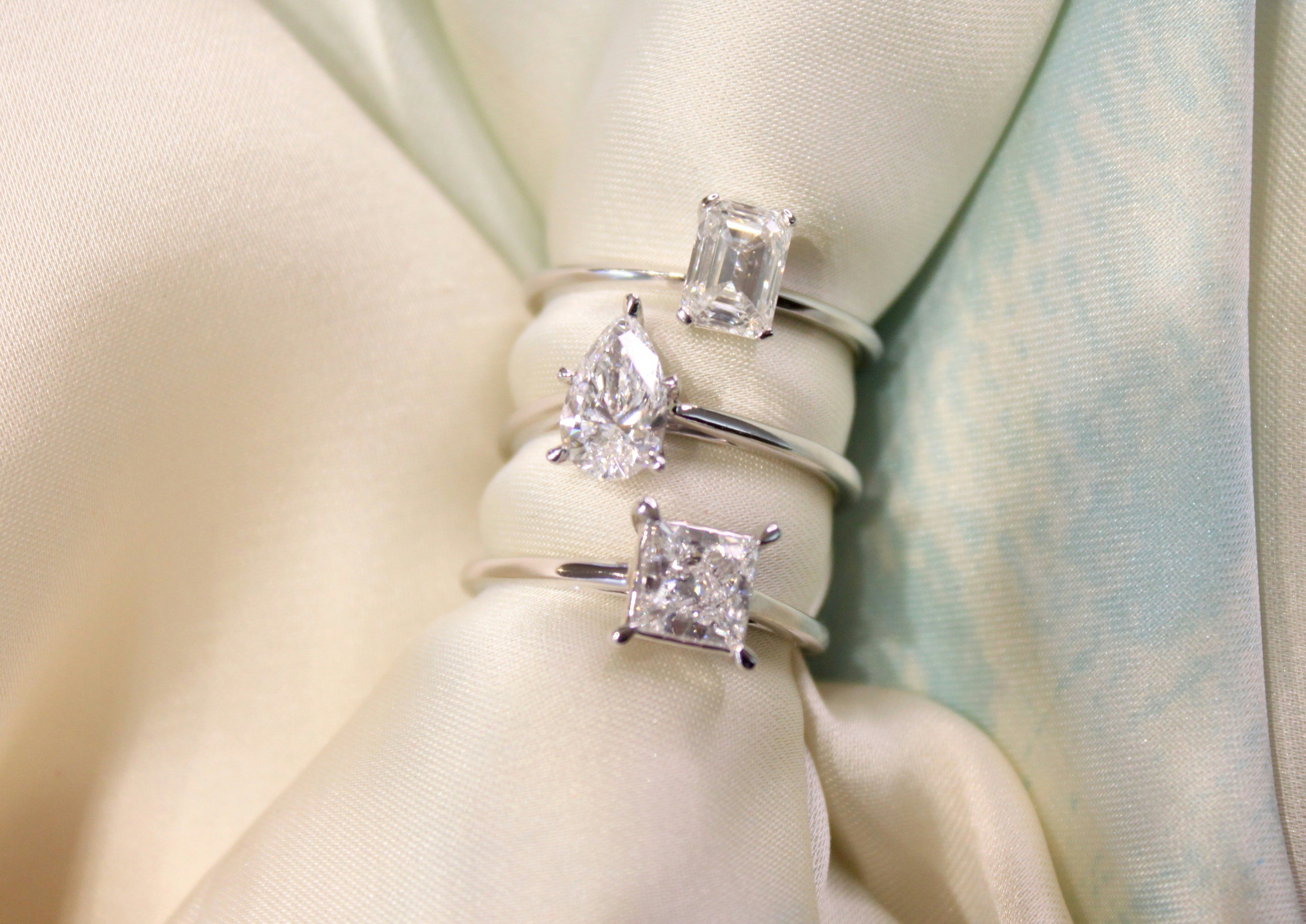
The most common diamond shapes include the round, princess, and oval. The round shape is timeless and has a classic appeal, making it a favorite for engagement rings. Princess-cut diamonds, known for their modern look, feature sharp corners and brilliant facets, delivering an exceptional sparkle. Oval diamonds, while similar to round shapes, offer an elongated silhouette that can add a unique flair to any piece.

Other Distinctive Shapes

Aside from the popular styles, there are other distinctive shapes worth considering. The pear shape, which resembles a teardrop, is increasingly favored for its romantic aesthetics. Meanwhile, the marquise shape showcases a stunning pointed end, creating the illusion of greater size. Additionally, the emerald cut boasts a rectangular form with large step facets, giving it a sophisticated and vintage charm.

When selecting a diamond, consider how the shape interacts with the light. Each shape has its distinct brilliance and can create different visual effects. Jewelry pieces often incorporate various shapes to enhance their overall design. Looking for the right diamond shape in your jewelry can enhance its beauty and significance, making it a cherished accessory or a meaningful gift.

Understanding Natural Diamond Color and Clarity

Understanding Natural Diamond Color and Clarity

Introduction to Diamond Color

When it comes to natural diamonds, color is one of the key factors that contribute to its overall beauty and value. Diamonds are graded on a scale that ranges from colorless to light yellow or brown. A completely colorless diamond is considered the most desirable, as it allows the maximum amount of light to pass through, enhancing its brilliance.

The Importance of Clarity

Clarity refers to the presence of inclusions or blemishes within a diamond. A diamond with higher clarity has fewer imperfections, resulting in a more radiant appearance. The clarity scale ranges from ‘Flawless’ to ‘Included’, and each grade significantly impacts the aesthetic appeal and market value of the stone.

Choosing the Right Diamond

When selecting a natural diamond, both its color and clarity should be taken into consideration. While personal preference plays a role, balancing the two factors often leads to a more satisfactory purchase. It’s essential to work with reputable jewelers who can provide detailed information on a diamond’s grading to help make an informed decision. Whether you’re buying a diamond for an engagement ring or a special occasion, understanding these aspects will enhance your overall experience.

Exploring the Different Types and Colors of Gemstones

Exploring the Different Types and Colors of Gemstones

Introduction to Gemstones

Gemstones have fascinated humanity for centuries with their breathtaking beauty and rarity. They come in a variety of types and colors, each possessing unique attributes and meanings. In this blog, we will explore the fascinating world of gemstones and the diversity they bring to jewelry and collection.

Types of Gemstones

Gemstones can be classified mainly into two categories: precious and semi-precious. Precious gemstones, like diamonds, rubies, sapphires, and emeralds, are highly sought after and known for their rarity and durability. Semi-precious stones, such as amethyst, garnet, and topaz, offer a wide array of colors and patterns, making them popular choices for decorative pieces.

The Spectrum of Colors

One of the most alluring aspects of gemstones is their color range. For instance, sapphires are typically associated with deep blue hues but can also appear in pink, yellow, or green. Similarly, tourmaline is available in nearly every color imaginable, from vibrant pinks to rich greens. Understanding the variations can help enthusiasts and collectors appreciate their beauty and choose the right gemstone for their needs.

Whether you are drawn to the classic elegance of a diamond or the vibrant color of a garnet, there is a gemstone to suit every taste. The world of gemstones is vast and intriguing, promising something new for everyone.