

Understanding Chemistry: The Central Science

Understanding Chemistry: The Central Science

What is Chemistry?

Chemistry is often referred to as the “central science”. It serves as a bridge connecting several disciplines, including biology, physics, medicine, and geology. Chemistry studies the composition, structure, properties, and transformations of matter and energy. By examining these elements, chemists are able to understand the basic building blocks of our universe—from atoms and molecules to complex chemical reactions.

The Role of Chemistry in Everyday Life

In our daily lives, chemistry plays a vital role. Everything around us, from the food we eat to the medicines we take, involves chemical processes. For instance, understanding the chemical properties of substances helps in developing better nutrition and pharmaceutical products. Chemistry also informs practices in environmental science, contributing to the development of sustainable solutions for pollution and resource management.

Why is Chemistry Important?

The importance of chemistry cannot be overstated. It is fundamental in many areas of research and application. By studying chemistry, we not only gain knowledge about how matter interacts but also utilize this understanding to innovate in technology and medicine. The findings from chemical research often lead to advancements that improve public health, enhance energy efficiency, and foster environmental sustainability. Hence, chemistry is not just an academic discipline but a dynamic field that influences every aspect of modern life.

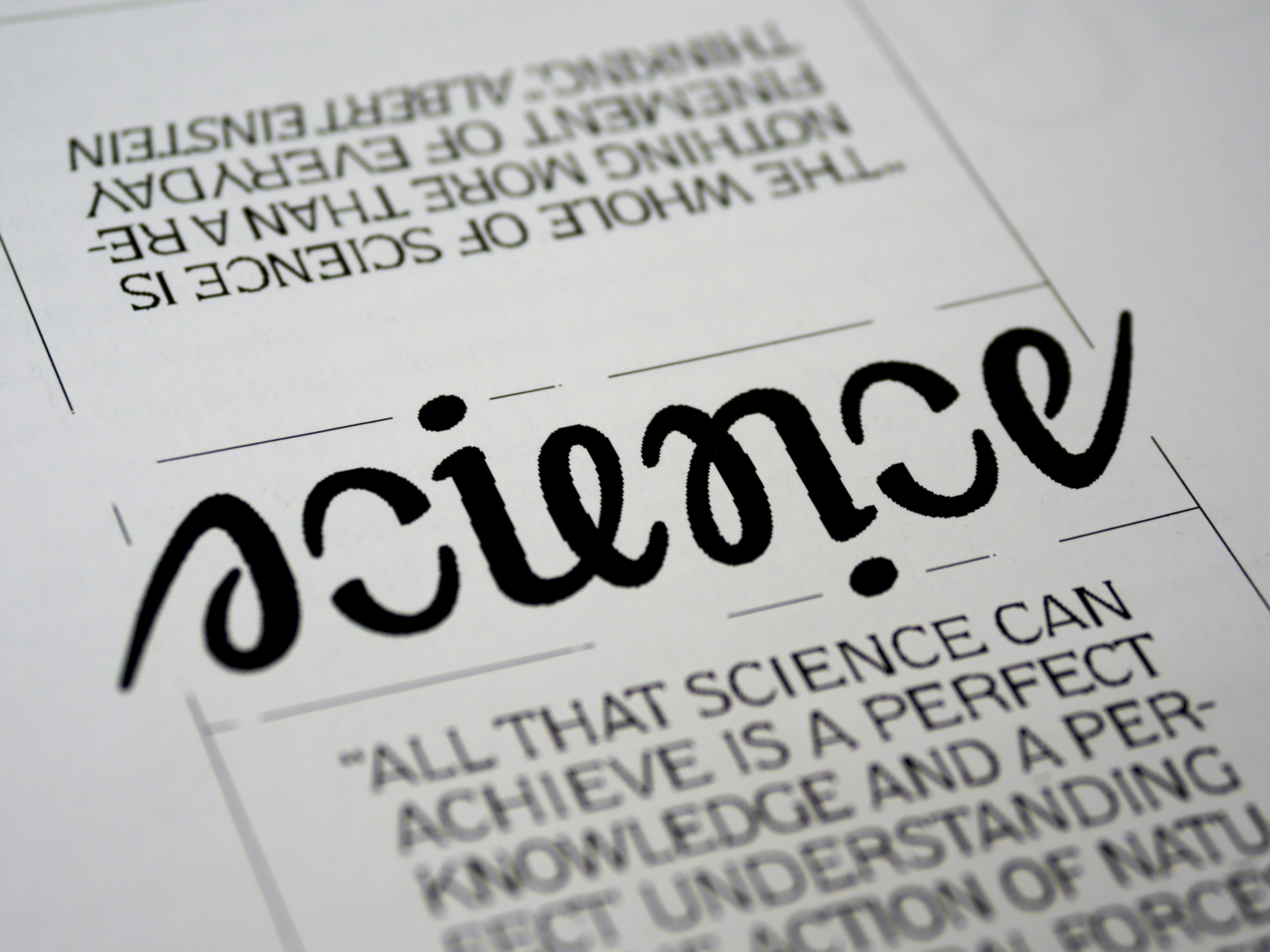
Exploring the Essentials of Physical Science

Exploring the Essentials of Physical Science

What is Physical Science?

Physical science is a vital branch of natural science focused on the study of non-living systems. Unlike life sciences, which delve into biological aspects, physical science encompasses areas such as matter, energy, space, and time. This field aims to provide insights into the fundamental principles and laws that govern our physical universe.

Key Disciplines within Physical Science

Physical science includes several essential disciplines, notably physics, chemistry, astronomy, and earth sciences. Physics explores the forces and interactions in the universe, while chemistry investigates the composition, structure, and properties of matter. Astronomy takes us beyond our planet, studying celestial bodies, and earth sciences like geology and meteorology expand our understanding of Earth’s physical properties and atmospheric conditions.

The Methodologies of Physical Science

To uncover the underlying truths of our universe, physical scientists employ various methodologies. Observation and experimentation are critical in collecting data, while mathematical analysis is used to derive theories and models. This systematic approach enables scientists to make predictions and conduct further tests, fostering advancements in understanding the physical world.

Understanding Biology: Definition, History, and Branches

Understanding Biology: Definition, History, and Branches

Introduction to Biology

Biology, the study of life and living organisms, serves as a cornerstone for understanding the natural world. It encompasses various concepts that explain the structure, function, growth, and evolution of life forms. By analyzing the characteristics and interactions of living organisms, biology provides insight into the essential processes that sustain life on Earth.

The Historical Development of Biology

The history of biology dates back to ancient civilizations when naturalists began observing plants and animals. Over time, various scholars made significant contributions, leading to the establishment of biology as a distinct scientific discipline. The works of notable figures like Aristotle and Charles Darwin have profoundly shaped our understanding of biology and provided frameworks for studying life.

Branches of Biology

Biology is a diverse field that can be divided into several branches, each focusing on different aspects of life. Some of the primary branches include:

  • Molecular Biology: Explores the biochemical processes within cells.
  • Botany: Studies plant life.
  • Zoology: Focuses on animal biology.
  • Ecology: Examines the relationships between organisms and their environment.

These branches, among others, illustrate the complexity and interconnectivity of biological concepts. Whether researching the intricacies of cellular processes or the dynamics of ecosystems, biology continues to evolve, driving advancements in science and our understanding of life.