The Journey from Seeds to Flower: A Comprehensive Guide

The Journey from Seeds to Flower: A Comprehensive Guide

Introduction to the Life Cycle of Plants

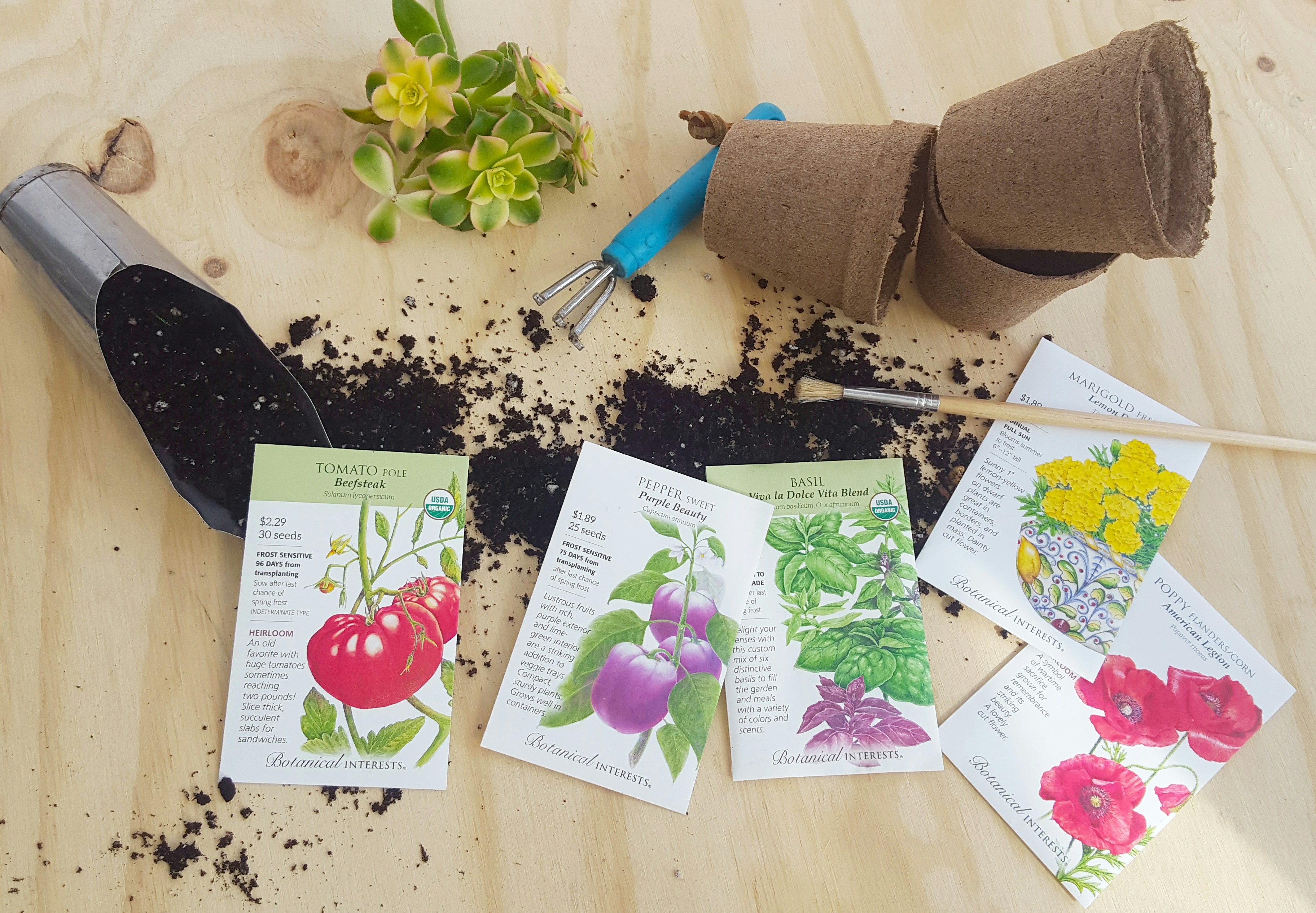
The transition from seeds to flower marks a fascinating process in the life cycle of plants. Understanding this journey can enhance your gardening experience, making it both educational and rewarding.

The Seed Germination Process

Initially, seeds require specific conditions to germinate. Factors such as moisture, temperature, and light play a crucial role in breaking the seed dormancy. As the seed absorbs water, it swells and cracks open, allowing the root (radicle) to emerge. This vital step signifies the beginning of a plant’s journey from seed to lively flower.

Growth and Flowering Stages

Once germination occurs, seedlings develop leaves and often face challenges like pests and inadequate nutrients. Providing proper care is essential for growth. As the plants mature, they enter the flowering stage, which can vary widely among species. This is when plants develop flowers, facilitating reproduction and often attracting pollinators.

Ultimately, the transition from seeds to flower embodies a delicate balance of nurturing and growth. Watching this process unfold not only instills appreciation for nature but also equips you with the knowledge to cultivate your own vibrant garden.
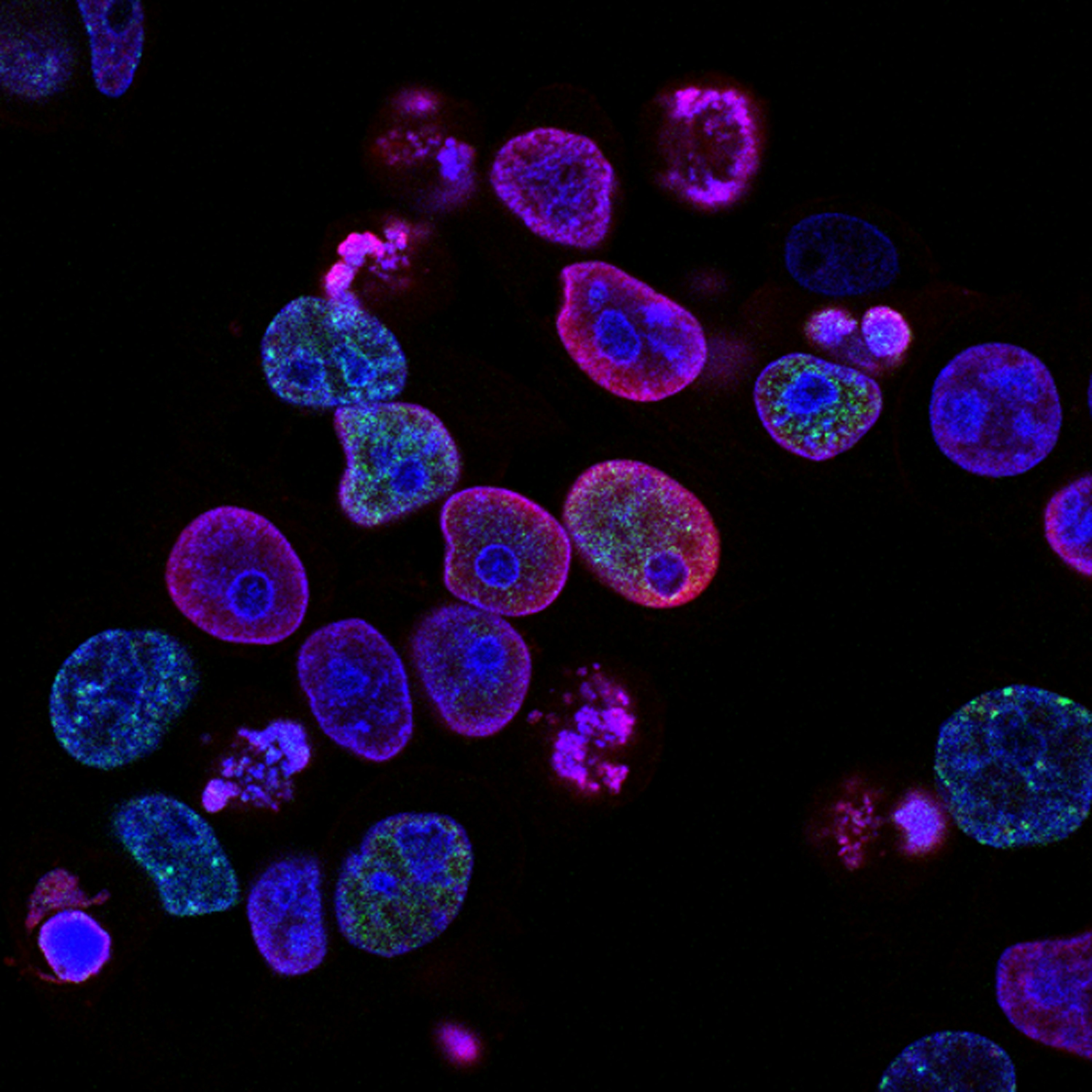
Understanding the Broader Biological Concept of Eggs

Understanding the Broader Biological Concept of Eggs

Introduction to Eggs in Biology

Eggs serve as a critical biological concept across various species, from birds and reptiles to amphibians and even some mammals. They represent not just a reproductive strategy, but also a pivotal stage in the life cycle of many organisms. Understanding eggs allows us to appreciate the diversity of life and the evolutionary adaptations that make reproduction possible.

The Role of Eggs in Reproduction

In biology, eggs are often considered as the female gametes in sexual reproduction, providing a nurturing environment for the developing embryo. The structural features of eggs, like their shells in birds or gelatinous coverings in amphibians, are tailored to protect and support the early stages of life. The development of eggs is influenced by evolutionary pressures that shape how and where different species reproduce.

Diversity and Adaptations of Eggs

Eggs are not just limited to one shape, size, or type. Different species have adapted their eggs to survive in diverse environments. For example, terrestrial animals produce hard-shelled eggs to reduce desiccation, while aquatic species often have soft eggs that float. This diversity illustrates how eggs play a fundamental role in biological systems, highlighting their importance beyond mere reproduction.

Understanding the Differences Between Human Science and Biology

Understanding the Differences Between Human Science and Biology

Introduction to Human Science

Human science is an interdisciplinary field that focuses on the study of human behavior, societies, and the complex interactions within them. It encompasses various disciplines, such as psychology, anthropology, sociology, and even aspects of education. By understanding human science, we delve into the cognitive, emotional, and social dimensions of human beings, ultimately gaining insights into how we interact with each other and our environment.

The Scope of Biology

On the other hand, biology is a branch of natural science that studies living organisms and their vital processes. It covers a vast range of topics, from molecular biology to ecology, offering insights into the structure, function, growth, and evolution of life forms. While biology often analyzes individuals or groups of organisms, it does so primarily from a biological perspective rather than a psychological or sociological one.

Human Science vs. Biology: Key Differences

While both human science and biology aim to enhance our understanding of life, their approaches and methodologies are distinct. Human science prioritizes qualitative methods, often involving observational and interpretative analysis, seeking to grasp the nuances of human life. In contrast, biology employs quantitative techniques, relying on measurement, experimentation, and data analysis to analyze the physical and chemical processes of living systems.

In conclusion, although human science and biology share a common interest in the realm of life, they differ in focus, methods, and disciplinary boundaries. Emphasizing these distinctions can lead to a richer understanding of both the biological functions and the social behaviors that shape human existence.

Exploring the Diverse Fields of Science

Exploring the Diverse Fields of Science

An Overview of Scientific Disciplines

Science is an expansive field that encompasses various disciplines, each dedicated to understanding different aspects of the natural world. From the intricacies of molecular biology to the vastness of astrophysics, science provides a structured approach to acquiring knowledge. The primary branches of science include natural sciences, formal sciences, social sciences, and applied sciences, all working together to deepen our comprehension of existence.

Natural Sciences: The Study of Nature

Natural sciences focus on the physical world and its phenomena. This branch includes physics, chemistry, and biology, among others. Physics examines matter, energy, and their interactions, while chemistry delves into the composition, structure, and properties of substances. Biology, on the other hand, explores living organisms and their vital processes. The natural sciences are fundamental in advancing technology and medicine, making them essential for societal progress.

Social Sciences: Understanding Human Behavior

In contrast, social sciences study human behavior and societies. Disciplines like psychology, sociology, and economics investigate how people interact, the structures of societies, and the principles of economic systems. Social sciences are invaluable in addressing complex social issues, aiding policymakers in crafting effective solutions. By combining various scientific disciplines, we enhance our problem-solving abilities and improve our understanding of the world.