
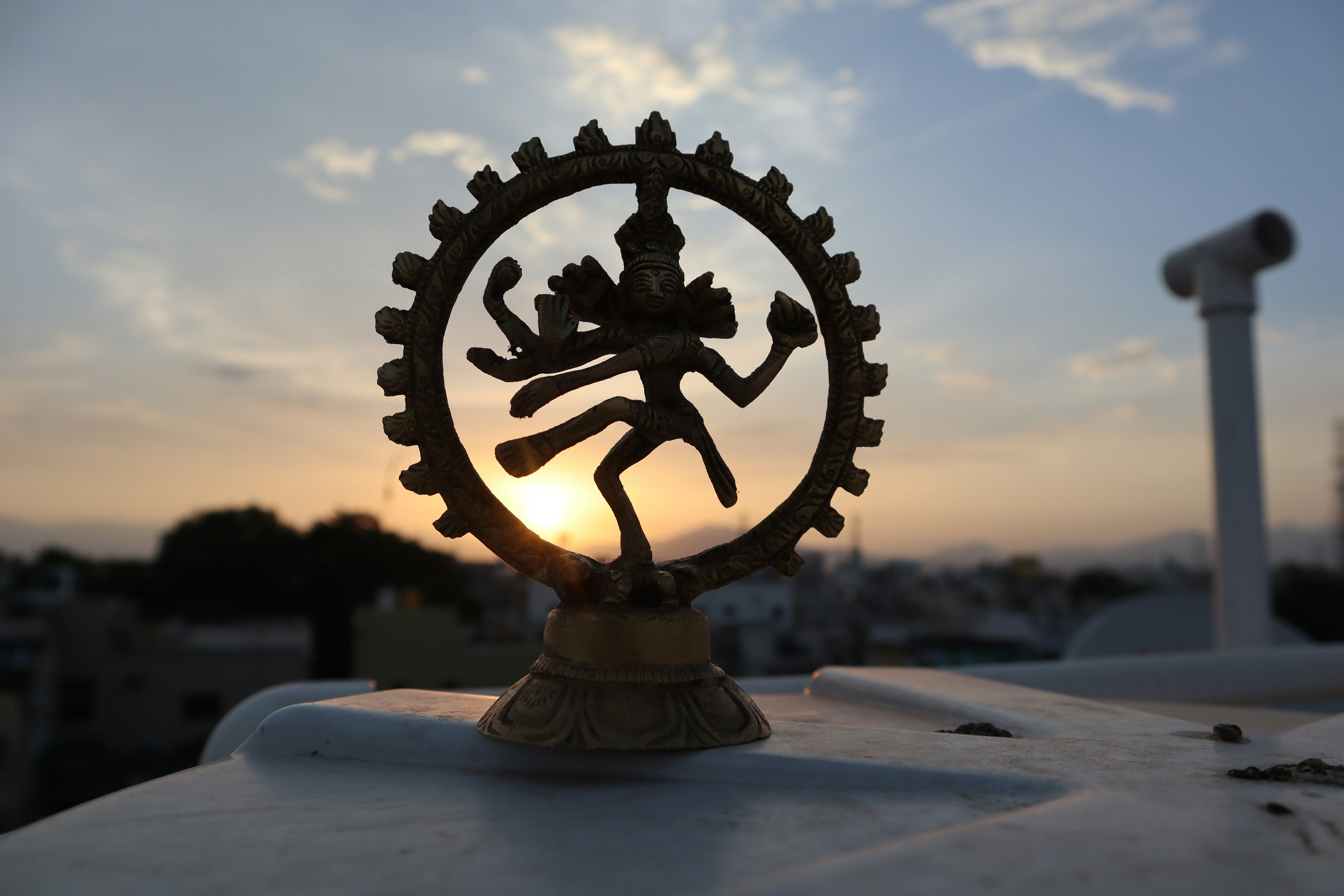
Introduction to Lord Shiva
Lord Shiva, one of the principal deities in Hinduism, symbolizes transformation, destruction, and regeneration. Revered as the ‘T destroyer’ and the ‘God of Meditation,’ Shiva plays a crucial role in the cycle of creation and dissolution in the universe. His imagery and attributes resonate deeply with millions of devotees across the globe.
Symbolism Associated with Lord Shiva
Shiva is often depicted with a trident, representing his dominion over the three realms of existence: physical, mental, and spiritual. The crescent moon on his head symbolizes the passage of time, while the sacred river Ganga flowing from his hair denotes purity and cleansing. These symbols highlight his multifaceted nature, embodying both the ferocity of destruction and the calmness of meditation.
Cultural Impact and Worship of Lord Shiva
The cultural influence of Lord Shiva extends far beyond religious practices. Festivals such as Maha Shivaratri celebrate his significance, drawing millions to temples adorned with offerings and prayers. Numerous scriptures, including the Vedas and Puranas, extol his virtues, philosophies, and teachings, promoting an understanding of inner peace and balance in life. Devotees perform rituals and recitations, deepening their connection with this divine figure.