
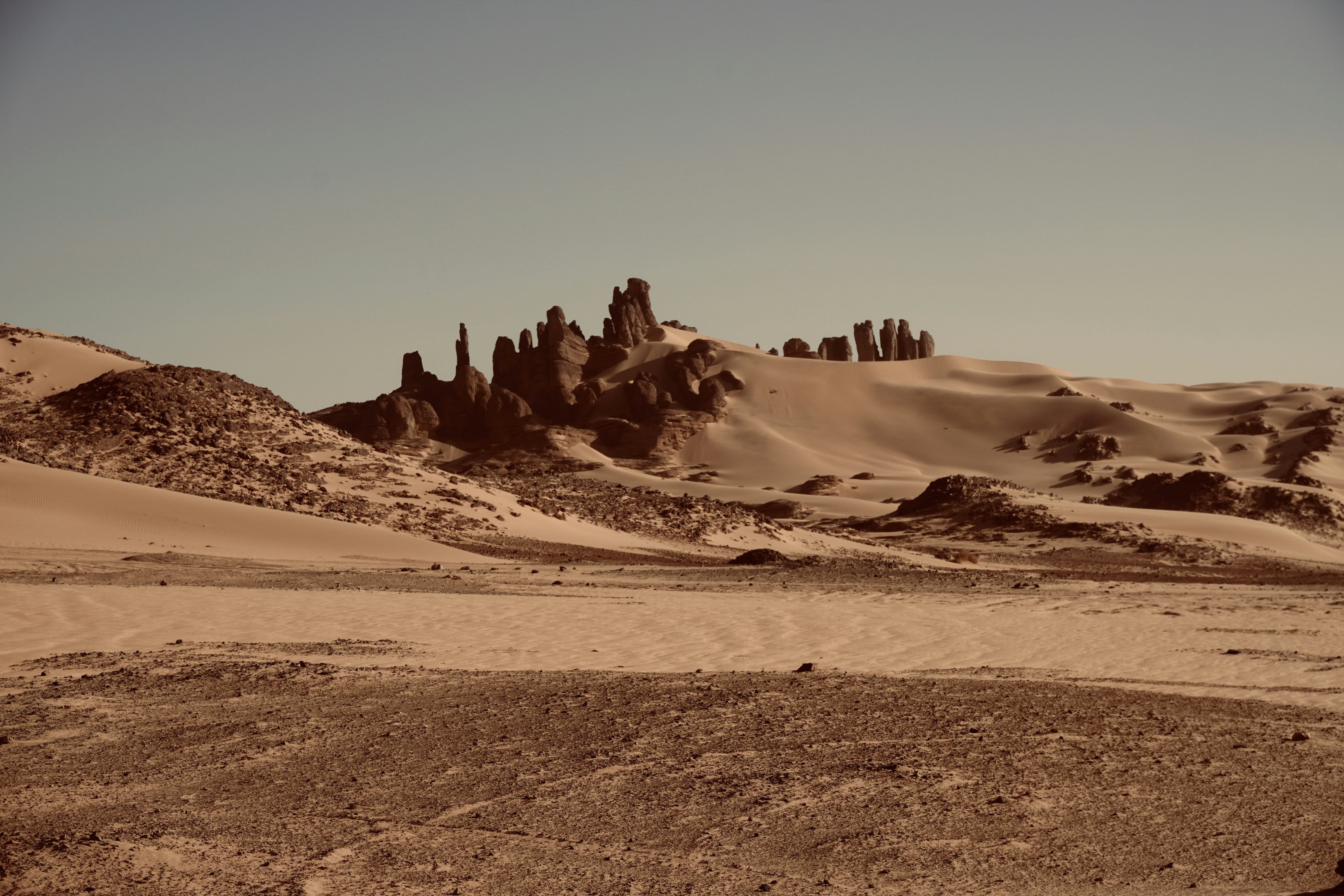
Understanding the Antarctic Desert
The Antarctic Desert, known as the world’s largest desert, spans an incredible 5.5 million square miles. This vast expanse of ice and snow might seem like an unlikely candidate for a desert designation. However, it qualifies as a desert due to its extremely low annual precipitation levels.
Features of the Antarctic Desert
Characterized by its icy landscapes, the Antarctic Desert is home to numerous fascinating features. These include towering icebergs, expansive ice sheets, and unique geological formations. The extreme cold and aridity make it one of the harshest environments on the planet, where very little moisture falls. In fact, much of the continent has not seen rainfall in recorded history.
The Importance of the Antarctic Ecosystem
Despite the severe conditions, the Antarctic Desert plays a critical role in the Earth’s ecosystem. It significantly influences global climate patterns and ocean currents. Furthermore, it serves as a habitat for various species, including penguins, seals, and numerous microorganisms that have adapted to survive in these extreme conditions.
In conclusion, while the Antarctic Desert may be known for its icy terrain, it is essential to recognize its classification as a desert based on its low precipitation levels. Its vastness and unique ecosystem make it a significant location on our planet.