Lord Mahavir Jain, born in 599 BCE in the royal family of Kshatriyas, is the 24th Tirthankara of Jainism. His teachings and philosophy have had a profound impact on the spiritual landscape of India. Renowned for promoting non-violence, truth, and asceticism, Lord Mahavir espoused ideals that continue to guide millions even today.
Core Teachings of Lord Mahavir
The central tenets of Lord Mahavir Jain’s teachings revolve around the concepts of ahimsa (non-violence), satya (truth), asteya (non-stealing), brahmacharya (celibacy), and aparigraha (non-possessiveness). He emphasized that by practicing these principles, individuals can attain spiritual freedom and liberation. His teachings encourage followers to lead a life of discipline and self-control while acknowledging the interconnectedness of all living beings.
Influence and Legacy
The influence of Lord Mahavir Jain extends not only within the Jain community but also across various cultures and religions. His emphasis on compassion and ethical living continues to resonate in today’s world, urging people to adopt a more mindful approach to their actions. The festivals commemorating his birth, such as Mahavir Jayanti, are celebrated with great reverence, showcasing his lasting impact on society. By embodying the virtues he taught, followers aim to foster peace and harmony in their communities.
Lord Buddha, also known as Siddhartha Gautama, is a pivotal figure in the world of spirituality and philosophy. Born in ancient India around the 6th century BCE, his insights and teachings continue to inspire countless individuals across various cultures.
The Four Noble Truths
At the core of Lord Buddha’s teachings are the Four Noble Truths, which provide a framework for understanding suffering. The first truth states that suffering, or Dukkha, is an inherent part of life. The second truth identifies the cause of suffering, highlighting desire and attachment. The third truth reveals that cessation of suffering is achievable, while the fourth truth outlines the path leading to the end of suffering.
The Eightfold Path
To alleviate suffering, Lord Buddha introduced the Eightfold Path, which encompasses eight interconnected practices: Right Understanding, Right Intent, Right Speech, Right Action, Right Livelihood, Right Effort, Right Mindfulness, and Right Concentration. Together, these principles guide practitioners toward a life of balance and enlightenment.
In summary, Lord Buddha’s teachings emphasize the journey towards understanding oneself and fostering compassion for others. By integrating these sacred principles into our daily lives, we can work toward achieving inner peace and a deeper connection with the world around us.
Lord Christmas is a fascinating character that captures the spirit of the holiday season. Often associated with festivities and cheer, he symbolizes the joy and warmth that come with Christmas celebrations. This persona is not just a figure in stories but represents the feelings of giving and togetherness that many cherish during the holiday season.
The Origins of Lord Christmas
While the origins of Lord Christmas may be vague, there are intriguing tales that connect him with various cultural traditions around the world. Some believe that he embodies the spirit of Saint Nicholas, known for his generosity. Others see him as an embodiment of winter cheer, bringing light and warmth during the colder months. Each interpretation reflects a unique aspect of the Christmas spirit.
Modern Depictions and Celebrations
In contemporary culture, Lord Christmas has taken on various forms. From festive parades to holiday gatherings, his influence is evident in many Christmas traditions. Decorations, music, and food all serve to enhance the vibe of Lord Christmas, making every celebration feel special. The essence of this character is captured not only in seasonal decorations and activities but also in the hearts of those who celebrate this magical time of year.
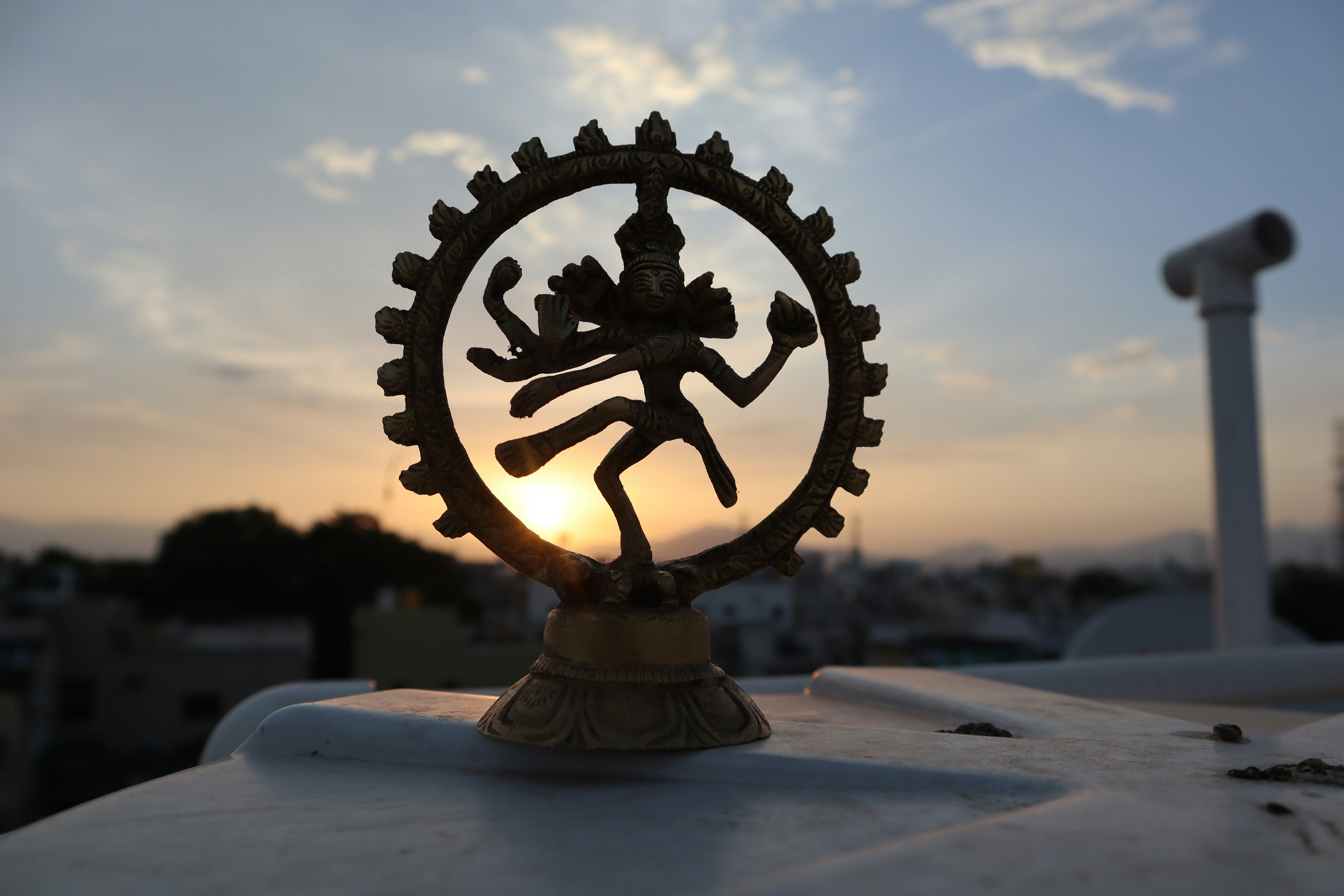
Lord Shiva, one of the principal deities in Hinduism, symbolizes transformation, destruction, and regeneration. Revered as the ‘T destroyer’ and the ‘God of Meditation,’ Shiva plays a crucial role in the cycle of creation and dissolution in the universe. His imagery and attributes resonate deeply with millions of devotees across the globe.
Symbolism Associated with Lord Shiva
Shiva is often depicted with a trident, representing his dominion over the three realms of existence: physical, mental, and spiritual. The crescent moon on his head symbolizes the passage of time, while the sacred river Ganga flowing from his hair denotes purity and cleansing. These symbols highlight his multifaceted nature, embodying both the ferocity of destruction and the calmness of meditation.
Cultural Impact and Worship of Lord Shiva
The cultural influence of Lord Shiva extends far beyond religious practices. Festivals such as Maha Shivaratri celebrate his significance, drawing millions to temples adorned with offerings and prayers. Numerous scriptures, including the Vedas and Puranas, extol his virtues, philosophies, and teachings, promoting an understanding of inner peace and balance in life. Devotees perform rituals and recitations, deepening their connection with this divine figure.
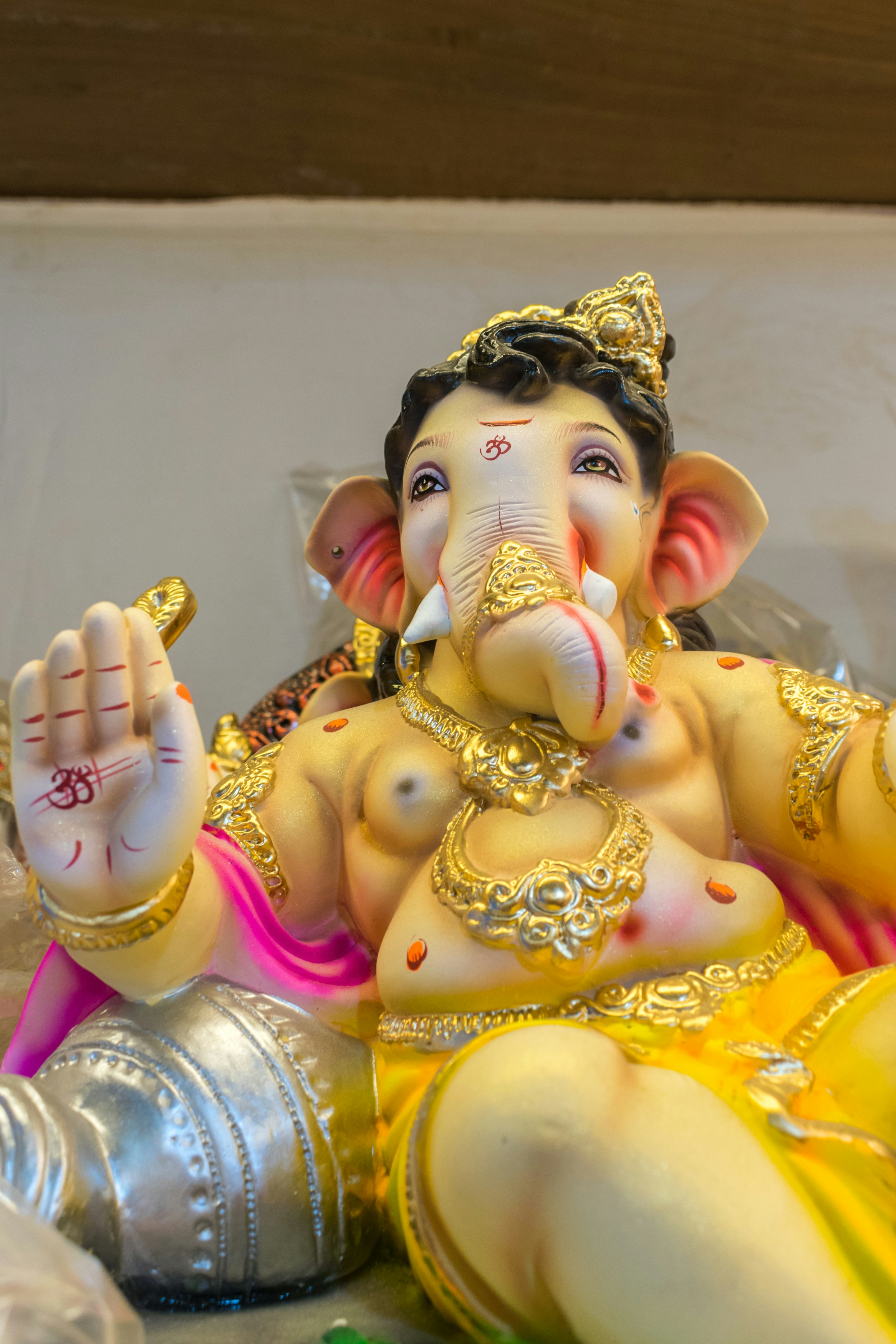
Lord Ganesha, often revered as the remover of obstacles, is one of the most beloved deities in Hindu mythology. Recognized by his distinctive elephant head and human body, he embodies wisdom, prosperity, and good fortune. His presence is worshiped at the beginning of new ventures and important occasions, showcasing his significance in daily life.
Symbolism and Attributes
The symbolism associated with Lord Ganesha is profound. Each feature of his appearance conveys deep spiritual meaning. For instance, his large ears signify the importance of listening, while his small eyes represent focus and concentration. The broken tusk is a reminder of the inevitability of sacrifice for the greater good. By understanding these attributes, devotees can connect more deeply with their worship.
Cultural Impact of Lord Ganesha
Beyond religious practices, Lord Ganesha has permeated various aspects of Indian culture, including art, literature, and dance. Statues and images of Ganesha can be found in homes and workplaces, acting as a source of inspiration and divine protection. Festivals like Ganesh Chaturthi celebrate his divine presence and foster community spirit among devotees, uniting them in shared devotion.
Machine learning (ML) is an integral part of artificial intelligence (AI) that enables computers to learn from data. Rather than requiring explicit programming for every individual task, ML empowers systems to improve their performance over time by analyzing vast datasets. This means that machines can identify patterns, make predictions, and decide based on learned experience.
Applications of Machine Learning
The applications of machine learning are extensive, spanning multiple industries. For instance, in the retail sector, ML algorithms can offer personalized product recommendations to enhance customer experience. In finance, they are pivotal for fraud detection, identifying unusual patterns that signal potential security threats. Furthermore, healthcare utilizes ML for automated language processing, improving diagnostic accuracy and patient care.
The Impact of Machine Learning on Various Industries
Overall, the integration of machine learning into different industries is revolutionizing how businesses operate. By harnessing the power of vast amounts of data, ML models can perform complex analyses more efficiently, resulting in smarter and faster decision-making processes. As these technologies evolve, their potential to drive innovation continues to grow, offering unprecedented opportunities for stakeholders across the board.
Learning numerical refers to the study of numerical analysis, a field focused on developing algorithms and methods to approximate solutions for complex mathematical problems. Often, these problems cannot be solved analytically, making numerical methods essential for practical applications.
Key Areas of Focus
Numerical learning encompasses several key topics and techniques. Error analysis is crucial, as it helps to assess the accuracy of numerical solutions. Numerical methods for solving systems of equations are foundational, providing techniques for tackling challenges in various domains. Additionally, interpolation plays a significant role in estimating values between discrete data points with high precision.
Applications in Various Fields
The applications of numerical learning are widespread, impacting several modern disciplines. In fields such as computer vision, numerical analysis techniques are employed to enhance image processing and recognition tasks. Similarly, in machine learning and data science, numerical methods are utilized to optimize algorithms and analyze large datasets efficiently. Understanding the fundamentals of numerical analysis thus equips individuals with vital skills applicable in both academic and industry settings.
Religious festivals are vibrant celebrations that bring together communities in a festive spirit. They often represent profound cultural traditions and spiritual beliefs. Each festival showcases unique customs and rituals, highlighting the rich diversity existing worldwide.
1. Diwali – Festival of Lights (India)
Diwali, celebrated by millions, signifies the victory of light over darkness. This five-day festival is marked by lighting oil lamps, exchanging sweets, and spectacular firework displays.
2. Eid al-Fitr – Celebration of Breaking the Fast (Islamic World)
Eid al-Fitr marks the end of Ramadan, a month of fasting observed by Muslims. The festival begins with a special prayer service followed by feasting and giving alms to the less fortunate.
3. Hanukkah – Festival of Lights (Judaism)
Hanukkah is an eight-day Jewish festival commemorating the dedication of the Second Temple in Jerusalem. It is celebrated by lighting the menorah, playing traditional games, and enjoying festive meals.
4. Christmas – Celebration of the Birth of Jesus Christ (Christianity)
Christmas is celebrated globally, symbolizing joy, peace, and goodwill. Traditions include gift-giving, attending church services, and family gatherings around beautifully decorated Christmas trees.
5. Holi – Festival of Colors (India)
Holi is an exuberant spring festival celebrated by Hindus, characterized by throwing colored powders, dancing, and revelry. It marks the arrival of spring and the triumph of good over evil.
6. Vesak – Buddha’s Birthday (Buddhism)
Vesak is an important celebration for Buddhists, commemorating the birth, enlightenment, and death of Buddha. It is marked by candlelit processions, meditations, and various charitable acts.
7. Navratri – Nine Nights of Worship (India)
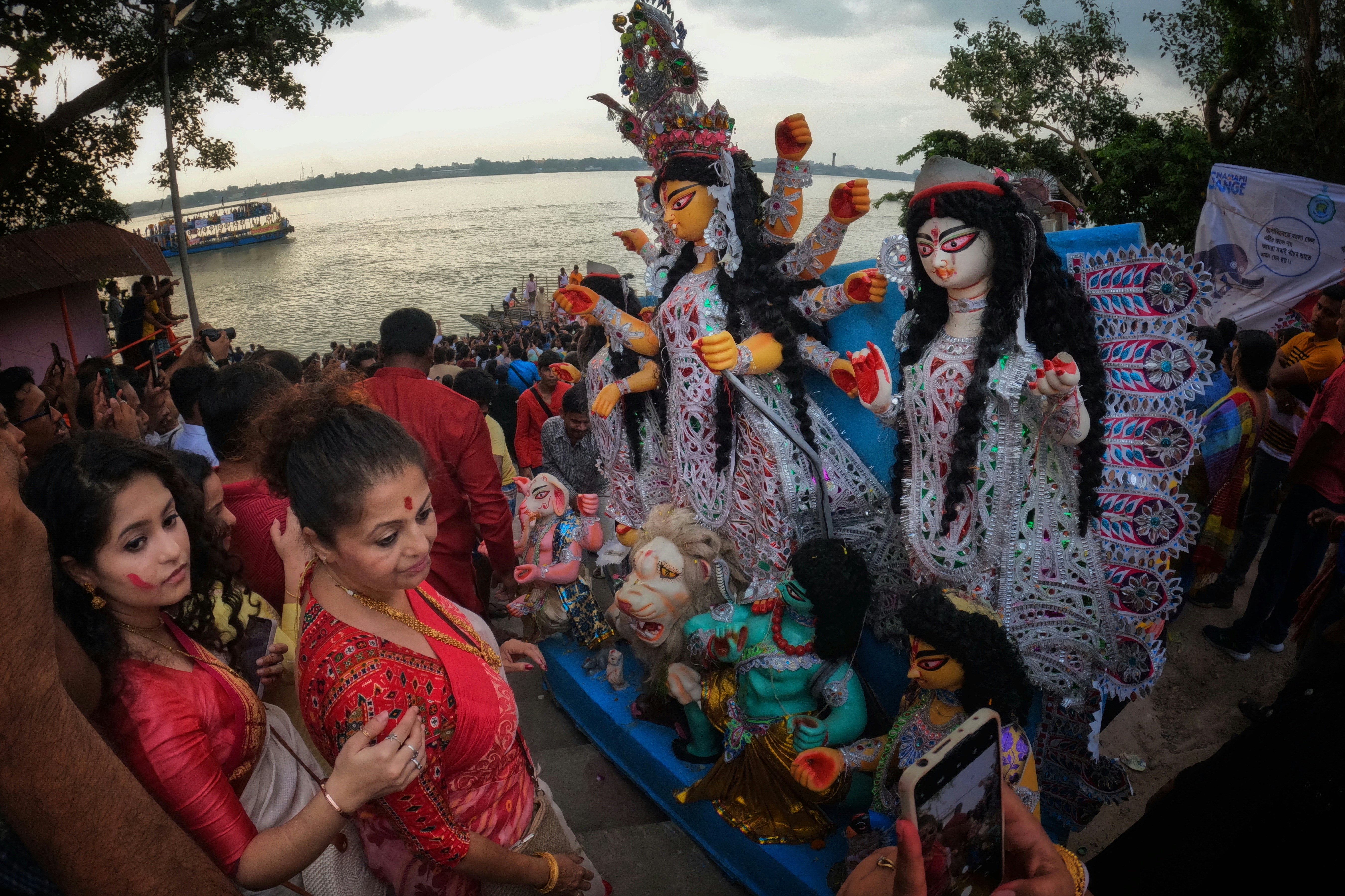
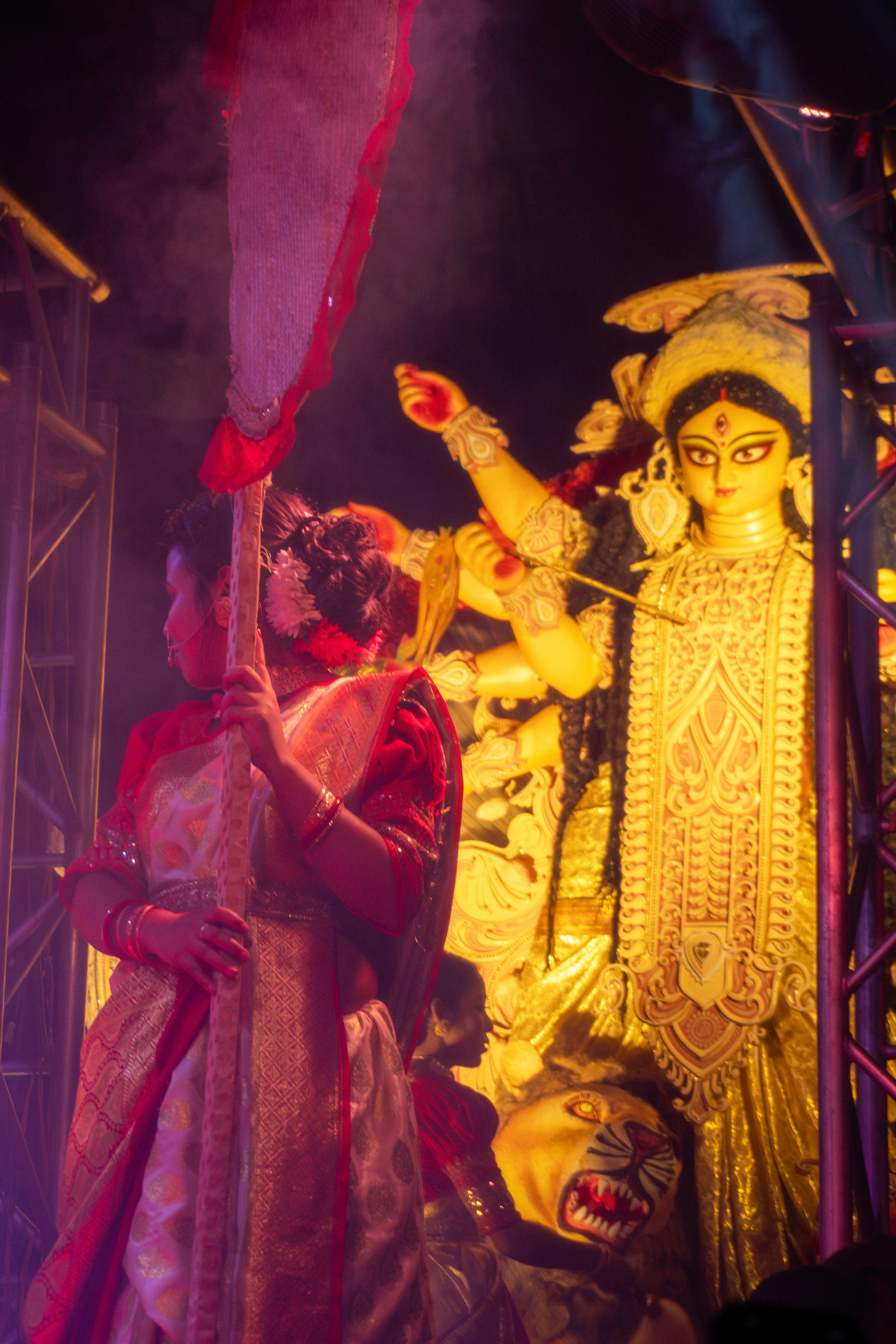
Navratri is a nine-night festival honoring the goddess Durga. Each night features dance, music, and traditional rituals aimed at celebrating feminine divine energy.
8. Saint Patrick’s Day – Celebration of Irish Culture (Ireland)
Saint Patrick’s Day honors the patron saint of Ireland. This festival is celebrated worldwide with parades, wearing green attire, and enjoying Irish music and cuisine.
9. Thanksgiving – Day of Gratitude (United States)
Thanksgiving is a secular holiday primarily celebrated in the U.S. and Canada, focusing on gratitude. Traditionally, families gather to share a meal, highlighting the importance of togetherness.
10. Easter – Resurrection of Jesus Christ (Christianity)
Easter celebrates the resurrection of Jesus, observed with various traditions including church services, egg hunts, and festive feasts, symbolizing renewal and hope.
In conclusion, these top 10 religious festivals celebrate spiritual beliefs, cultural diversity, and community bonding. Each festival reflects the unique characteristics of their respective cultures, making our world a vibrant tapestry of traditions.
Religious festivals are vibrant celebrations that reflect the traditions, beliefs, and cultural values of specific faith communities. These events often mark significant historical or spiritual events and bring communities together. For example, Eid al-Fitr is celebrated by Muslims to mark the end of Ramadan with joyous gatherings, fine meals, and communal prayers. Similarly, Diwali, the Festival of Lights, celebrates Hindu values of light overcoming darkness and good triumphing over evil, creating an atmosphere of joy and togetherness.
The Essence of National Festivals
In contrast to religious festivals, national festivals are secular holidays designed to promote patriotism, unity, and celebration of a nation’s heritage. Events such as Independence Day and Republic Day serve as reminders of a country’s struggles and triumphs, honoring historical milestones that have shaped a nation. These celebrations often include parades, cultural performances, and symbolic ceremonies that foster a sense of belonging among citizens.
Connecting Through Celebrations
Both religious and national festivals play essential roles in uniting individuals. While religious festivals deepen spiritual connections and community bonds, national festivals focus on collective pride and identity. Understanding and participating in both types of celebrations allow people to appreciate the rich tapestry of traditions and values within their society. As we celebrate these diverse festivals, we foster a sense of respect and recognition for the shared history and beliefs that form the foundation of our communities.