
A Day at the Google Visitor Experience: Exploring Technology and Innovation

A Day at the Google Visitor Experience: Exploring Technology and Innovation

Discovering the Google Visitor Experience

If you’re looking for an engaging way to explore technology while you’re in Mountain View, California, the Google Visitor Experience is not to be missed. Open to the public, this unique venue showcases the innovative spirit of Google and offers an insight into its cutting-edge technologies. From art installations to interactive displays, there’s something for everyone.

Engage with Technology and Art

At the Google Visitor Experience, you can immerse yourself in a variety of art installations that fuse creativity with technology. These exhibits are designed to spark curiosity and showcase how art and technology can intersect. As you navigate through the venue, you’ll encounter demonstrations of Google’s latest products, inviting you to try them out firsthand.

Enjoy a Day Full of Learning and Fun

The experience doesn’t end with technology displays; a delightful cafe offers a perfect spot to relax and recharge before diving into workshops that expand your understanding of modern tech. Whether you’re attending an insightful workshop or simply browsing through the visitor store, you’ll leave with a better understanding of Google’s influence on our daily lives. Plan your visit to the Google Visitor Experience in Mountain View, and open the door to the fascinating world of technology!

Exploring the Wonders of the Griffith Observatory

Exploring the Wonders of the Griffith Observatory

Introduction to the Griffith Observatory

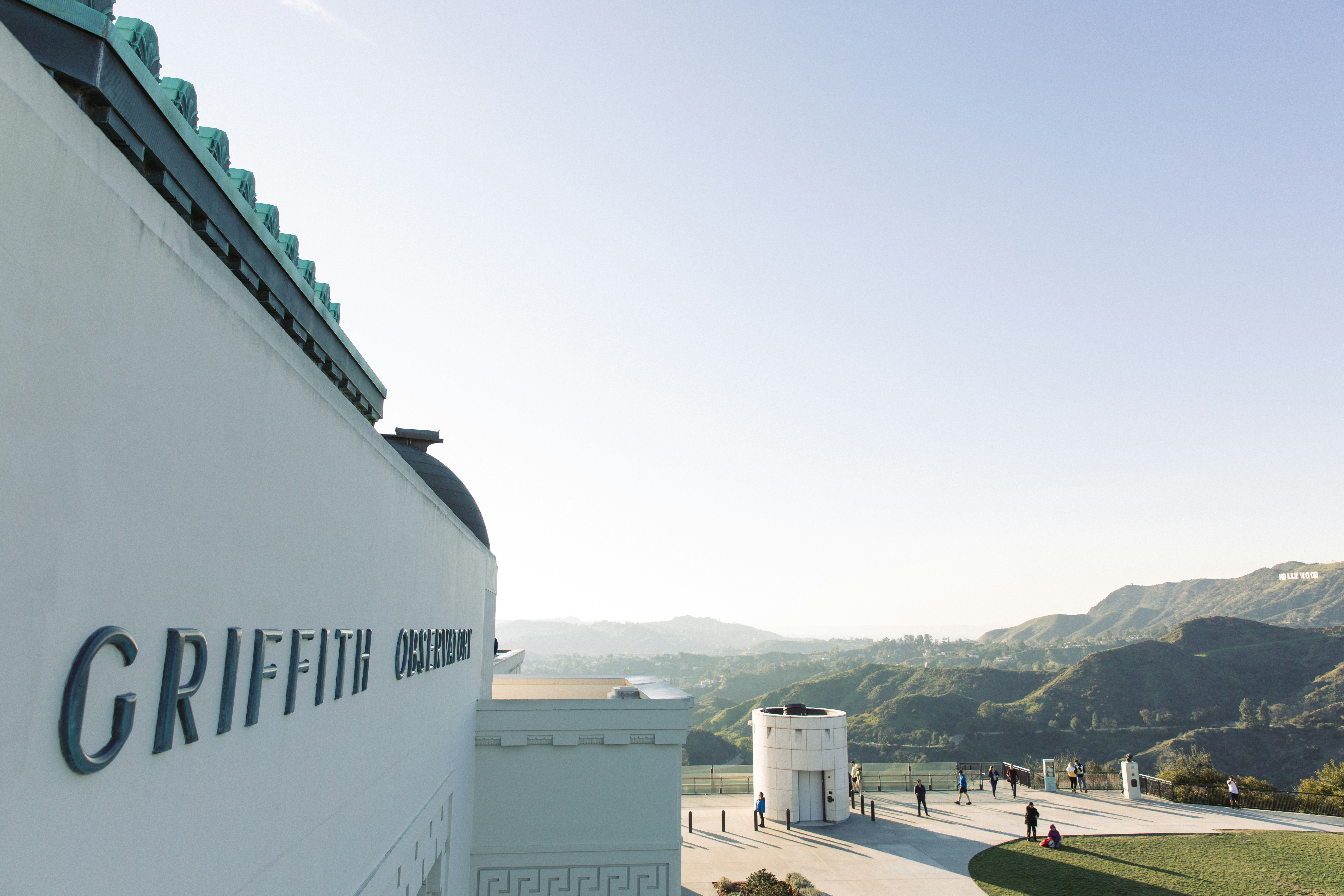
The Griffith Observatory stands as one of Los Angeles’s most iconic landmarks. Nestled in Griffith Park, it offers breathtaking views of the city, as well as the universe beyond. Visitors are drawn not only for its stunning architecture but also for its rich offerings, including exhibitions on astronomy and space science.

A Hub of Astronomy

Since its opening in 1935, the Griffith Observatory has served as a public observatory where residents and tourists alike can explore the night sky. The observatory features several telescopes, including the famous Zeiss refracting telescope. Daily programs and public star parties allow eager stargazers and curious minds to learn from knowledgeable staff about celestial events.

Events and Activities for Everyone

In addition to its educational purpose, the Griffith Observatory hosts a variety of events throughout the year. From planetarium shows to solar observation days, there’s something for everyone to enjoy. The interactive exhibits appeal to all ages, making it an ideal destination for families. Don’t miss the chance to visit the surrounding park; it offers numerous trails for hiking and picnicking.

Whether you’re an astronomy enthusiast or a casual visitor, the Griffith Observatory promises a memorable experience that enlightens and inspires. Plan your visit to witness the wonders of the universe right from this celebrated location.

Exploring the Google Visitor Experience in Mountain View

Exploring the Google Visitor Experience in Mountain View

Welcome to the Google Visitor Experience

The Google Visitor Experience is an exciting new destination that invites everyone, from neighbors to visitors, and of course, googlers, to explore our innovative Gradient Canopy office located in Mountain View. This unique space was designed not just for work, but as a gathering spot for the community and those curious about Google’s impact on technology and culture.

What to Expect at the Gradient Canopy

Upon arriving, you will be greeted by an open, welcoming atmosphere. The Gradient Canopy serves as a symbol of Google’s ethos—blending creativity and collaboration. Here, you can explore interactive displays, participate in guided tours, and learn about Google’s projects that aim to improve everyday life. It’s more than just an office; it’s a place that fosters curiosity and engagement.

Engaging with the Community

The Google Visitor Experience aims to create connections among diverse groups in Mountain View. Whether you are a tech enthusiast, a local resident, or a curious traveler, this destination is designed to cater to everyone. Activities and workshops encourage dialogue and exploration, making it a collaborative environment that highlights the best of Google’s community outreach.

Exploring the World: A Guide to Taking a Tour in Google Earth

Exploring the World: A Guide to Taking a Tour in Google Earth

Introduction

Have you ever dreamt of exploring the world from the comfort of your home? With Google Earth, that dream becomes a reality. This powerful tool allows users to take a virtual tour and experience breathtaking landscapes, historical landmarks, and hidden gems around the globe.

Getting Started with Google Earth

To begin your journey, simply download Google Earth on your PC or mobile device, or access it directly through your web browser. Once you open the application, you’ll be greeted with a stunning 3D view of our planet. Use the search bar to type in any destination you wish to visit. Whether it’s the Eiffel Tower in Paris or the Grand Canyon in the United States, Google Earth provides you with detailed satellite imagery and street views.

Features to Enhance Your Tour

As you explore, take advantage of the various features Google Earth offers. Make use of the ‘Voyager’ section for guided tours created by experts, which showcase exciting facts and stories about different locations. Additionally, you can utilize the ‘Measure’ tool to understand distances between destinations or even calculate the area of your favorite spots. Capturing stunning views is easy; simply take screenshots and save them for future reference.

Ultimately, taking a tour in Google Earth provides an engaging and educational experience that is enjoyable for all ages. So why wait? Embark on your virtual adventure today and discover the wonders of our planet!

Exploring the Benefits of Google and Its Products

Exploring the Benefits of Google and Its Products

Introduction to Google

Google, a leading technology company, has transformed the way we access information. Founded in 1998, Google started as a search engine and quickly expanded to offer a suite of products that aim to improve productivity and connectivity. Today, Google’s tools play a vital role in both personal and professional environments.

Popular Google Products

Among Google’s product offerings, Google Search remains the cornerstone, providing users with quick and relevant answers to millions of queries. However, the Google ecosystem extends beyond just search. Tools such as Google Drive, Google Docs, and Google Sheets facilitate online collaboration, allowing users to work on documents in real-time. Additionally, Google Calendar’s scheduling features help manage time efficiently.

The Advantages of Using Google Products

One significant advantage of Google products is their seamless integration. By using these tools, users can easily share files via Google Drive, create documents with Google Docs, and manage schedules with Google Calendar—all in one ecosystem. Moreover, these products are cloud-based, making them accessible anytime and from any device. This flexibility is particularly beneficial for remote work and learning.

In conclusion, Google and its related products have reshaped how we communicate, collaborate, and access information. By leveraging these tools, individuals and businesses can enhance productivity and improve overall workflows.

Understanding the Polar Night: Six Months of Darkness

Understanding the Polar Night: Six Months of Darkness

What is the Polar Night?

The term “six months of darkness” refers to the phenomenon known as the polar night, primarily affecting regions near the Earth’s poles. During this time, these areas experience continuous darkness for up to six months due to the tilt of the Earth’s axis. The phenomenon can be observed primarily at the North Pole and the South Pole, each enduring their respective periods of darkness beginning after the equinoxes.

When Does It Occur?

For the North Pole, the polar night commences around the autumn equinox in September and continues until the spring equinox in March. Conversely, the South Pole witnesses its six months of darkness begin after the March equinox. Thus, as one pole enjoys daylight, the other is submerged in darkness, demonstrating nature’s contrasting yet fascinating cycles.

The Impact of Continuous Darkness

The experience of six months without sunlight can have profound effects on the inhabitants of these regions, not just on the wildlife but also on the local human populations. Most communities adapt by utilizing artificial lights and engaging in various cultural and social activities to alleviate the effects of the dark. This time also presents unique challenges such as maintaining mental health and physical activity levels.

Understanding the polar night is crucial for grasping how life adapts in extreme conditions. The phenomenon of six months of darkness not only underscores the rich diversity of our planet’s environments but also encourages respect for the resilience of life in these remote corners of the Earth.

Experiencing the Unique 6 Months of Day and Night in Alaska

Experiencing the Unique 6 Months of Day and Night in Alaska

Understanding the Phenomenon

Alaska is renowned for its extraordinary natural phenomena, notably the six months of continuous daylight during the summer and the equally lengthy nights in the winter. This unique experience is caused by the tilt of the Earth’s axis, resulting in extreme variations in sunlight that many find captivating.

Summer: The Land of the Midnight Sun

From late April to mid-August, Alaskans and visitors indulge in the splendid midnight sun. The sun hardly sets during these months, creating an almost surreal environment where activities can continue around the clock. Whether it’s hiking, fishing, or attending summer festivals, the extended daylight fosters a vibrant outdoor culture.

Winter: Embracing the Polar Night

Conversely, from late November through mid-January, Alaska experiences the polar night. During this time, the sun does not rise above the horizon, plunging the region into darkness. While this may sound daunting, many people embrace this period as an opportunity for winter sports, cozy gatherings, and experiencing the majestic northern lights. The serene beauty of a snow-covered landscape under the stars can be incredibly enchanting.

Living in a place with such extreme changes in daylight can shape one’s lifestyle, encouraging adaptability and a spirit of adventure. Many locals develop strategies to cope with the seasonal extremes, from using light therapy lamps during winter to fully enjoying outdoor activities in the endless summer.

In conclusion, Alaska’s unique day and night cycle provides an enriching experience that draws in visitors from all over the world, offering a glimpse into one of nature’s most astonishing phenomena.

The Chilling Reality of Yakutsk, the Coldest City in the World

The Chilling Reality of Yakutsk, the Coldest City in the World

Introduction to Yakutsk

Yakutsk, Russia, holds the notorious title of being the coldest city in the world. Situated in the Siberian region, this remarkable city experiences extreme weather conditions that challenge both nature and humanity. With winter temperatures plunging below -40 degrees Celsius, it’s a wonder how over 300,000 residents adapt to such an inhospitable climate.

The Climate and Its Impact

The climate in Yakutsk is classified as subarctic, marked by harsh winters and short, warm summers. The coldest months, historically January and February, pose significant challenges for daily life. Despite the frigid temperatures, the residents have developed a culture that thrives even in the depths of winter. Specialized clothing, heating systems, and the construction of buildings designed to withstand the cold are part of life in this extraordinary city.

Living in Yakutsk

Life in Yakutsk offers unique experiences that are intricately tied to the cold. From the beauty of the frozen Lena River to the famed ice sculptures, the city presents an astonishing landscape. The warmth of community and cultural events, however, contrasts with the chilling environment. Festivals celebrating the cold, such as the Yakutian winter festivals, are testament to the city’s resilience and adaptability.

In conclusion, Yakutsk’s standing as the coldest city in the world goes beyond mere temperatures; it embodies survival, adaptation, and the extraordinary spirit of its people. Despite the icy grip of winter, the city thrives, proving that even in the harshest conditions, life finds a way to flourish.

Exploring the Coldest Regions on Earth: A Closer Look at Antarctica, Greenland, and Russia

Exploring the Coldest Regions on Earth: A Closer Look at Antarctica, Greenland, and Russia

Understanding the Coldest Place on Earth

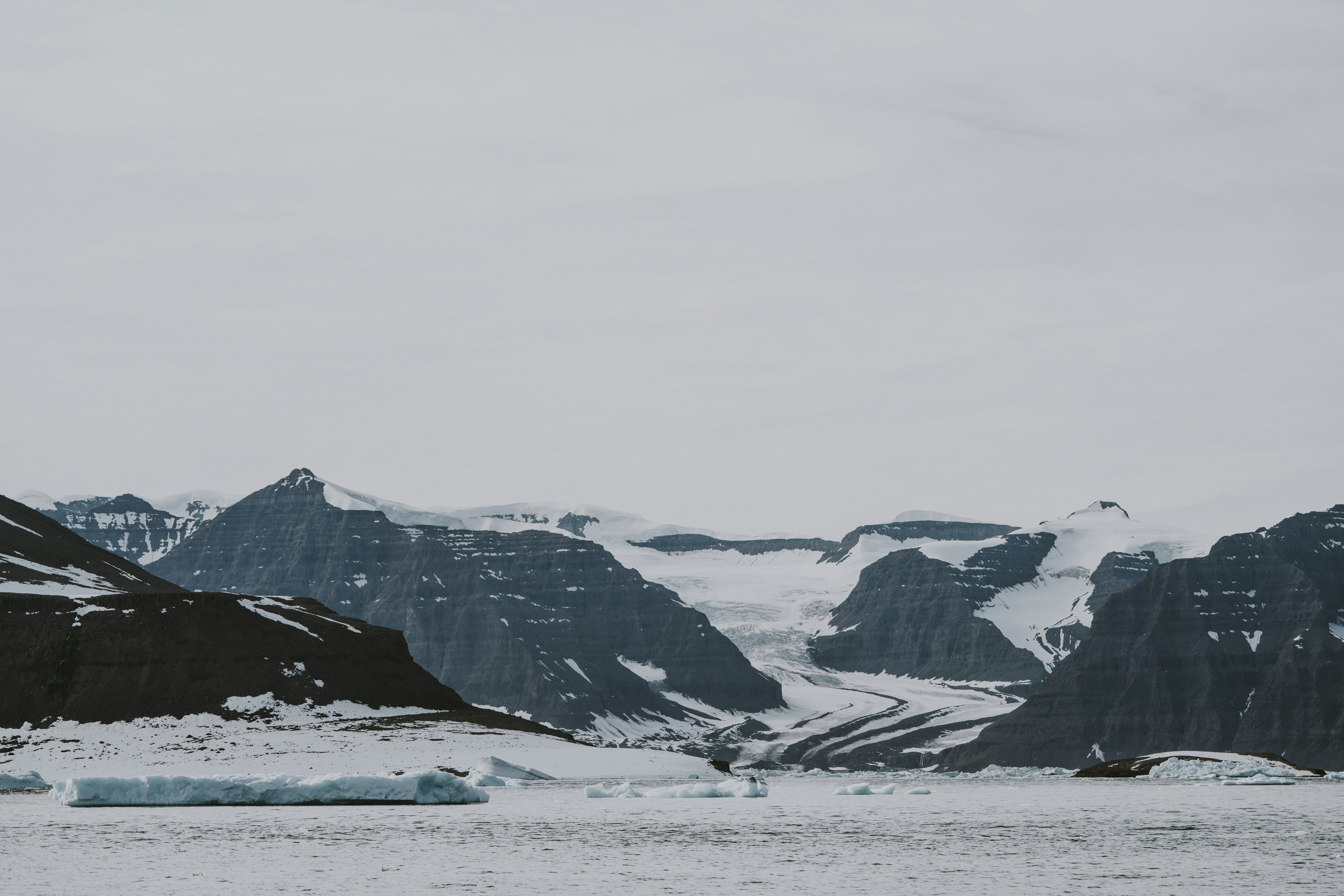
When discussing the coldest regions on the planet, one must first recognize that Antarctica, although not a country, holds the record. This vast, icy continent experiences extreme temperatures that can plummet far below zero degrees Celsius. These profound conditions make Antarctica a unique research site for scientists studying climate change and its impacts.

Greenland and Its Cold Climate

While Antarctica is often recognized as the starkest cold region, Greenland frequently ranks alongside it when considering countries. As a dependency of Denmark, Greenland encompasses vast ice sheets, which contribute to its chilling average land-surface temperatures. These icy expanses can experience long winters where temperatures dip significantly, making it one of the coldest inhabited places.

Russia: A Frigid Territory

Russia, the largest country in the world, also deserves mention in this category. Certain regions in Siberia report some of the lowest temperatures recorded anywhere, rivaling those of Greenland and Antarctic locations. The harsh winters and extensive frost in Russia are a testament to nature’s ability to create environments that challenge both humans and wildlife alike.

In conclusion, while Antarctica may take the title for the coldest place on Earth overall, Greenland and Russia are notable regions that showcase exceptional cold climates worthy of recognition. Understanding these areas helps us appreciate the diverse environments our planet has to offer.

Exploring the Intensity of the Lut Desert: The Hottest Place on Earth

Exploring the Intensity of the Lut Desert: The Hottest Place on Earth

Introduction to the Lut Desert

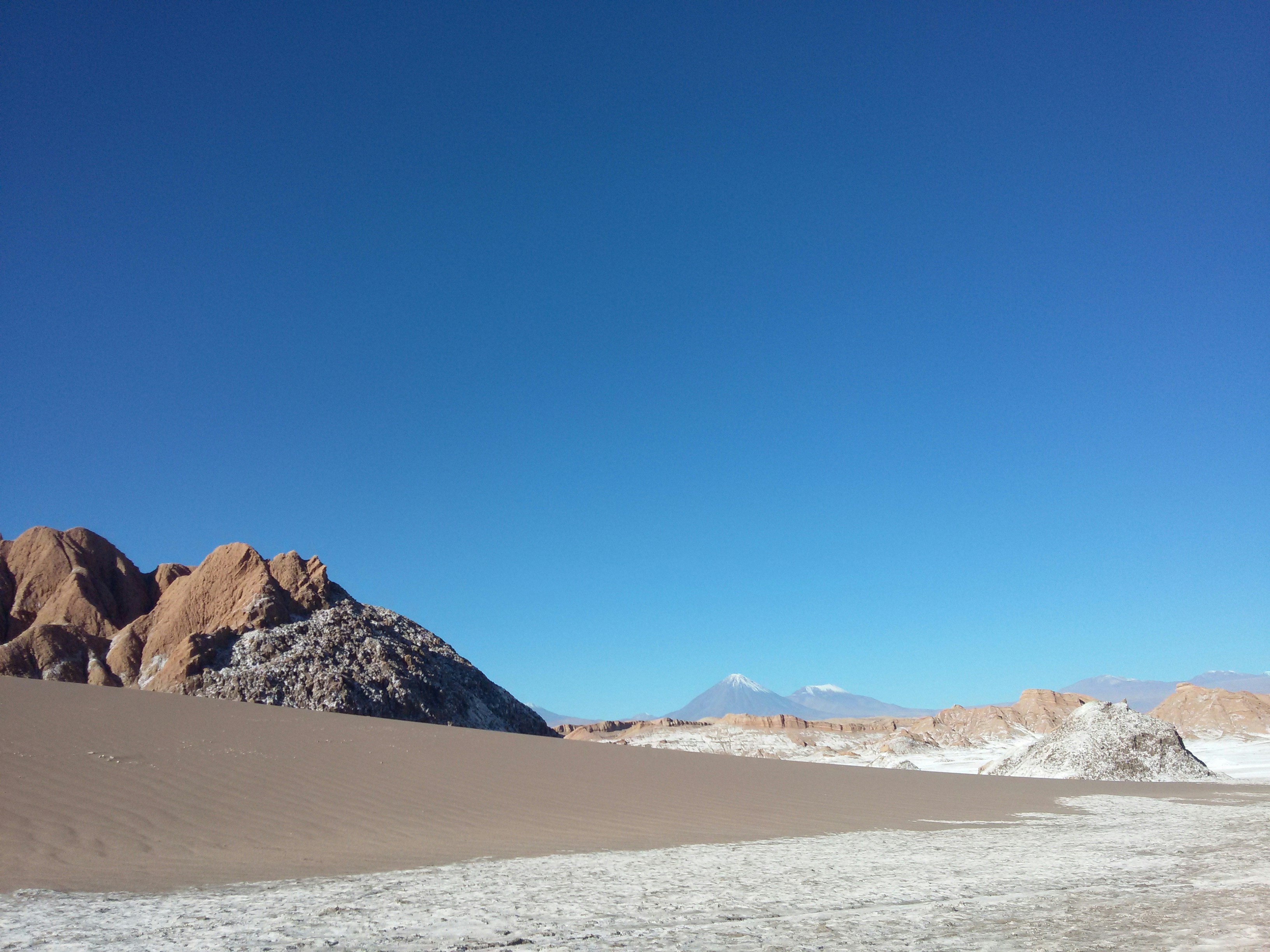
The Lut Desert, known as Dasht-e Lūt in Farsi, is a remarkable expanse located in Iran. This desert not only captivates with its stunning landscapes but also holds the title for being the hottest desert in the world. Its extreme temperatures have fascinated scientists and travelers alike, transforming it into a subject of research and exploration.

Record-Breaking Temperatures

In 2005, satellite data revealed an incredible surface temperature of 70.7°C (159.3°F) in the Lut Desert. This extraordinary measurement highlighted the intense heat that can be found in this arid region. However, the Lut Desert’s record didn’t end there; in 2019, another astonishing temperature of 80.83°C (177.49°F) was reported, suggesting that this area of land is not only record-breaking but also consistently retains its status as the hottest place on Earth.

The Impact of Extreme Heat

The extreme conditions of the Lut Desert have significant implications for the environment and the surrounding ecosystems. With such high temperatures, the landscape is marked by unique geological formations, presenting an opportunity for academic inquiry into how life adapts in such harsh conditions. The research conducted in this desert has broadened our understanding of thermal extremes, providing valuable insights into climate studies worldwide.

In summary, the Lut Desert stands out not only for its breathtaking beauty but also for its extreme temperatures, making it an intriguing destination for adventurers and scientists alike.