
Plant-Based vs. Animal-Based Nutrition: A Comprehensive Comparison

Plant-Based vs. Animal-Based Nutrition: A Comprehensive Comparison

Understanding Nutrition Sources

When it comes to nutrition, the debate between plant-based and animal-based diets has garnered significant attention in recent years. Both dietary patterns provide essential nutrients, but they do so in different ways. Understanding the differences between these two sources of nutrition can help individuals make informed dietary choices.

Benefits of Plant-Based Nutrition

Plant-based nutrition focuses on whole foods derived from plants, such as fruits, vegetables, legumes, nuts, and grains. These foods are often lower in calories and saturated fats while being rich in dietary fiber, vitamins, and antioxidants. Studies have shown that individuals following a plant-based diet may experience a lower risk of chronic diseases, including heart disease and type 2 diabetes. Moreover, plant-based nutrition tends to have a smaller environmental footprint, making it a more sustainable option.

Animal-Based Nutrition Considerations

On the other hand, animal-based nutrition includes foods like meat, dairy, and eggs. These foods are notable for their high protein content and their richness in essential vitamins and minerals, such as vitamin B12, iron, and omega-3 fatty acids. For many, incorporating some animal-based foods can be important for meeting nutritional needs, particularly for individuals with higher protein requirements, such as athletes or pregnant women. However, moderation is key, as excessive consumption of red and processed meats has been linked to various health risks.

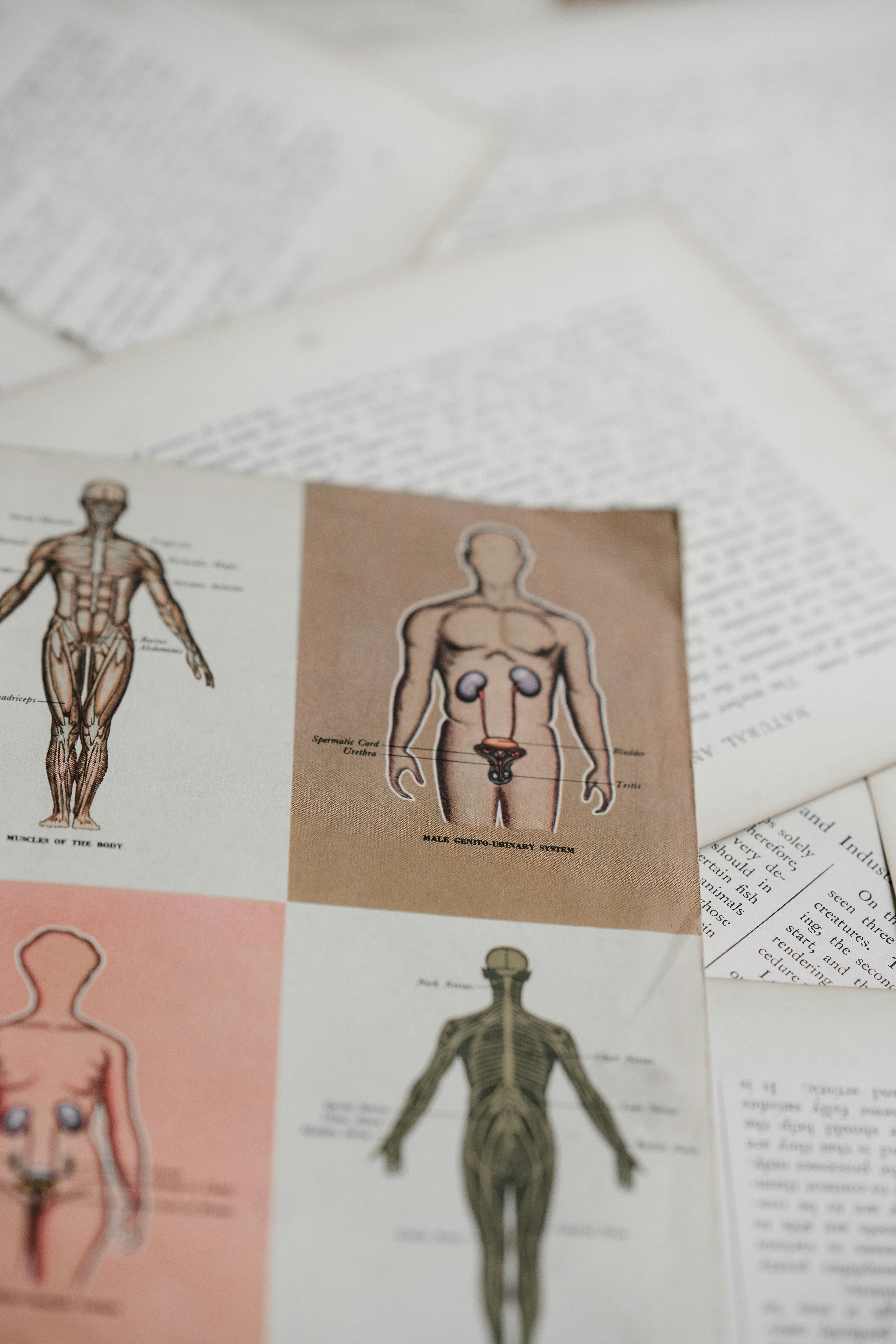
Understanding the Structure of the Female Reproductive System

Understanding the Structure of the Female Reproductive System

Introduction to the Female Reproductive System

The female reproductive system is a complex network of organs that plays a vital role in human reproduction. Understanding its structure is essential to grasp how it functions and how it impacts women’s health. In this post, we will explore the key components of the female reproductive system, highlighting their roles and significance.

Key Components of the Female Reproductive System

The female reproductive system primarily consists of the ovaries, fallopian tubes, uterus, and vagina. The ovaries are responsible for producing eggs and hormones such as estrogen and progesterone. Each month during the menstrual cycle, an ovary releases an egg in a process known as ovulation.

The fallopian tubes serve as the pathways through which the eggs travel from the ovaries to the uterus. Fertilization typically occurs within these tubes when sperm meets the egg. After fertilization, the fertilized egg moves to the uterus, where it can implant and grow.

The uterus, often referred to as the womb, is a muscular organ where a developing fetus can grow during pregnancy. It has a lining called the endometrium that thickens throughout the menstrual cycle, preparing for potential implantation. If no fertilization occurs, this lining sheds during menstruation.

Conclusion

In summary, the structure of the female reproductive system is intricately designed to facilitate reproduction and maintain hormonal balance. Understanding each component’s role helps to appreciate the complexities of women’s reproductive health. As research continues to advance, knowledge about this system remains crucial for providing effective healthcare solutions for women.

Understanding the Human Body and Its Structure

Understanding the Human Body and Its Structure

Introduction to the Human Body

The human body is a complex and intricate system, composed of various structures that work in harmony. From the smallest cell to the entire organ systems, each component plays a crucial role in maintaining health and functionality. By exploring the various aspects of body structure, we can gain a deeper appreciation for what makes us human.

Key Components of Body Structure

The body is composed of several foundational elements: cells, tissues, organs, and systems. Cells are the building blocks of life, forming tissues that then combine to create organs such as the heart, lungs, and liver. These organs work together in systems, such as the circulatory system or the respiratory system, to execute vital functions. Understanding this hierarchy is essential for studying human biology.

The Importance of Body Structure in Health

The structure of the human body significantly influences overall health. For instance, the integrity of our skeletal system provides support and protection for vital organs, while a well-functioning muscular system allows for movement and physical activity. Any disruption or injury to these structures can lead to a variety of health issues. Thus, maintaining the body’s structure through proper nutrition, exercise, and medical care is vital for sustaining a healthy life.

In conclusion, exploring the human body and its structure reveals the complexity and beauty of our physiological design. By appreciating the interconnections between cells, tissues, and organs, we can better understand how to care for our bodies and promote long-term health.

The Journey from Seeds to Flower: A Comprehensive Guide

The Journey from Seeds to Flower: A Comprehensive Guide

Introduction to the Life Cycle of Plants

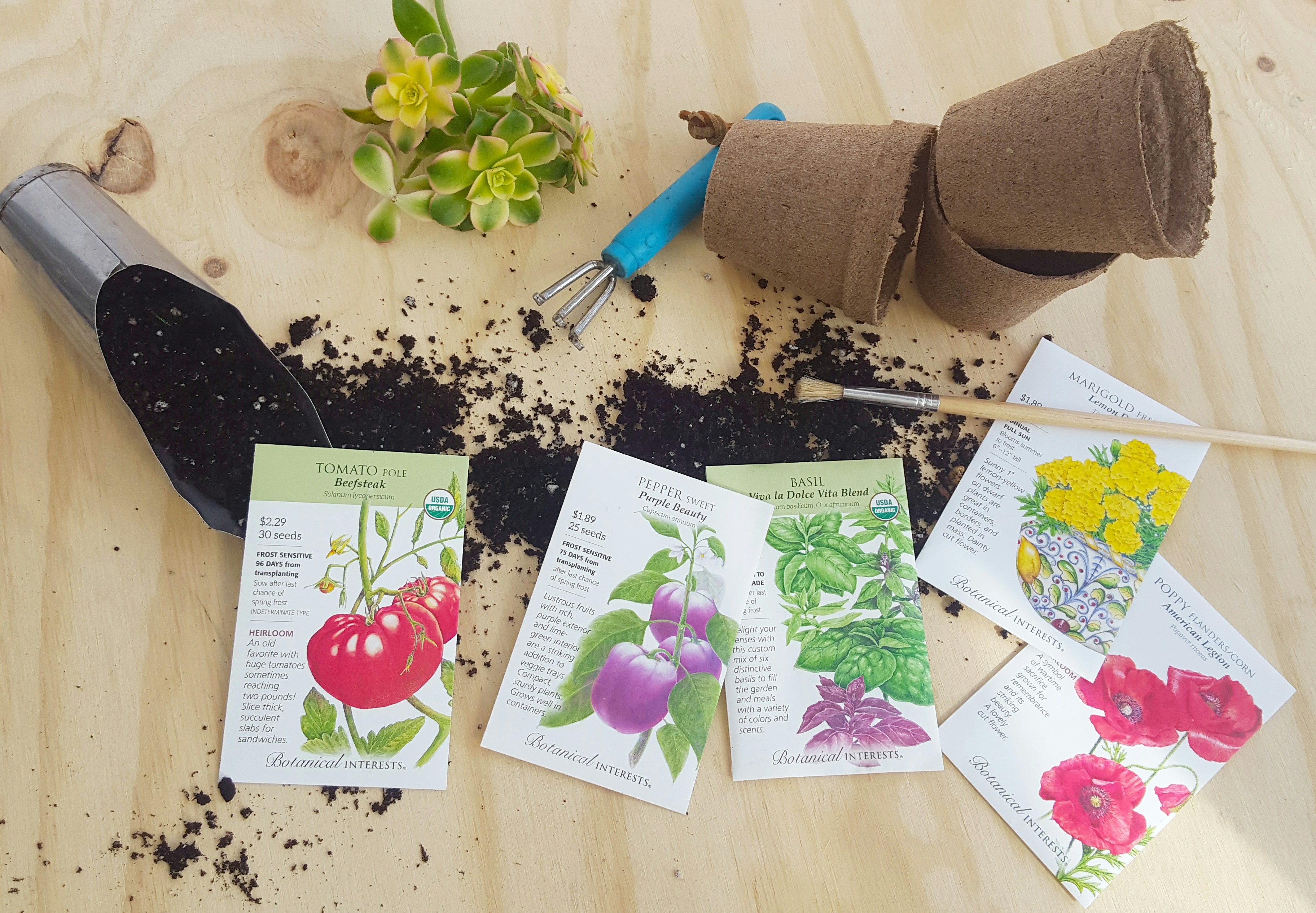
The transition from seeds to flower marks a fascinating process in the life cycle of plants. Understanding this journey can enhance your gardening experience, making it both educational and rewarding.

The Seed Germination Process

Initially, seeds require specific conditions to germinate. Factors such as moisture, temperature, and light play a crucial role in breaking the seed dormancy. As the seed absorbs water, it swells and cracks open, allowing the root (radicle) to emerge. This vital step signifies the beginning of a plant’s journey from seed to lively flower.

Growth and Flowering Stages

Once germination occurs, seedlings develop leaves and often face challenges like pests and inadequate nutrients. Providing proper care is essential for growth. As the plants mature, they enter the flowering stage, which can vary widely among species. This is when plants develop flowers, facilitating reproduction and often attracting pollinators.

Ultimately, the transition from seeds to flower embodies a delicate balance of nurturing and growth. Watching this process unfold not only instills appreciation for nature but also equips you with the knowledge to cultivate your own vibrant garden.

Understanding the Broader Biological Concept of Eggs

Understanding the Broader Biological Concept of Eggs

Introduction to Eggs in Biology

Eggs serve as a critical biological concept across various species, from birds and reptiles to amphibians and even some mammals. They represent not just a reproductive strategy, but also a pivotal stage in the life cycle of many organisms. Understanding eggs allows us to appreciate the diversity of life and the evolutionary adaptations that make reproduction possible.

The Role of Eggs in Reproduction

In biology, eggs are often considered as the female gametes in sexual reproduction, providing a nurturing environment for the developing embryo. The structural features of eggs, like their shells in birds or gelatinous coverings in amphibians, are tailored to protect and support the early stages of life. The development of eggs is influenced by evolutionary pressures that shape how and where different species reproduce.

Diversity and Adaptations of Eggs

Eggs are not just limited to one shape, size, or type. Different species have adapted their eggs to survive in diverse environments. For example, terrestrial animals produce hard-shelled eggs to reduce desiccation, while aquatic species often have soft eggs that float. This diversity illustrates how eggs play a fundamental role in biological systems, highlighting their importance beyond mere reproduction.

The Underwater Economy: Small Fish and Big Fish Dynamics

The Underwater Economy: Small Fish and Big Fish Dynamics

Understanding the Aquatic Ecosystem

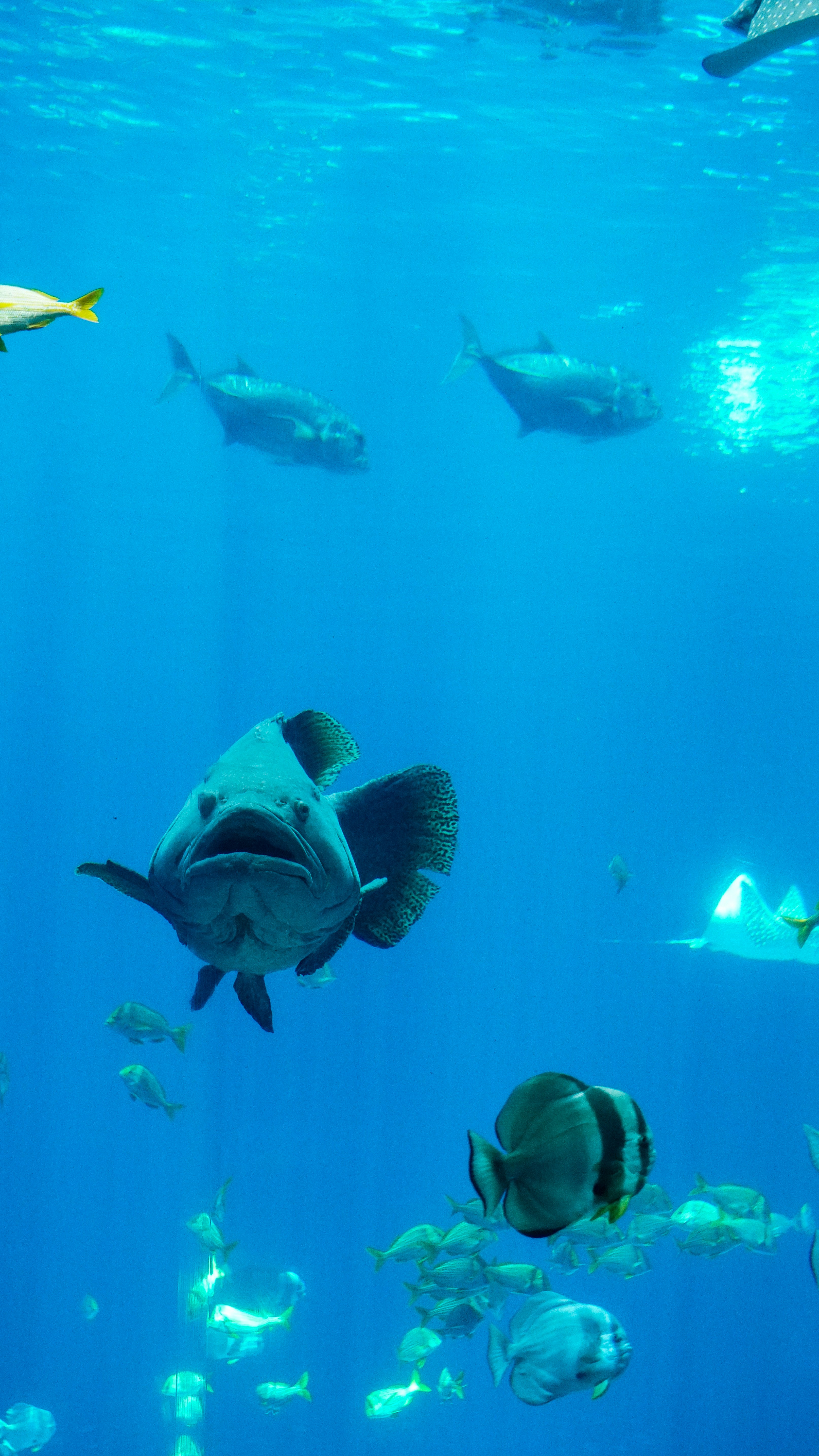
The world beneath the waves is filled with a variety of fish species that play crucial roles in maintaining the ecological balance. In this complex aquatic ecosystem, we often encounter the dynamic between small fish and big fish. Small fish, such as minnows and sardines, serve not only as prey but also contribute significantly to the nutrient cycle.

The Role of Small Fish

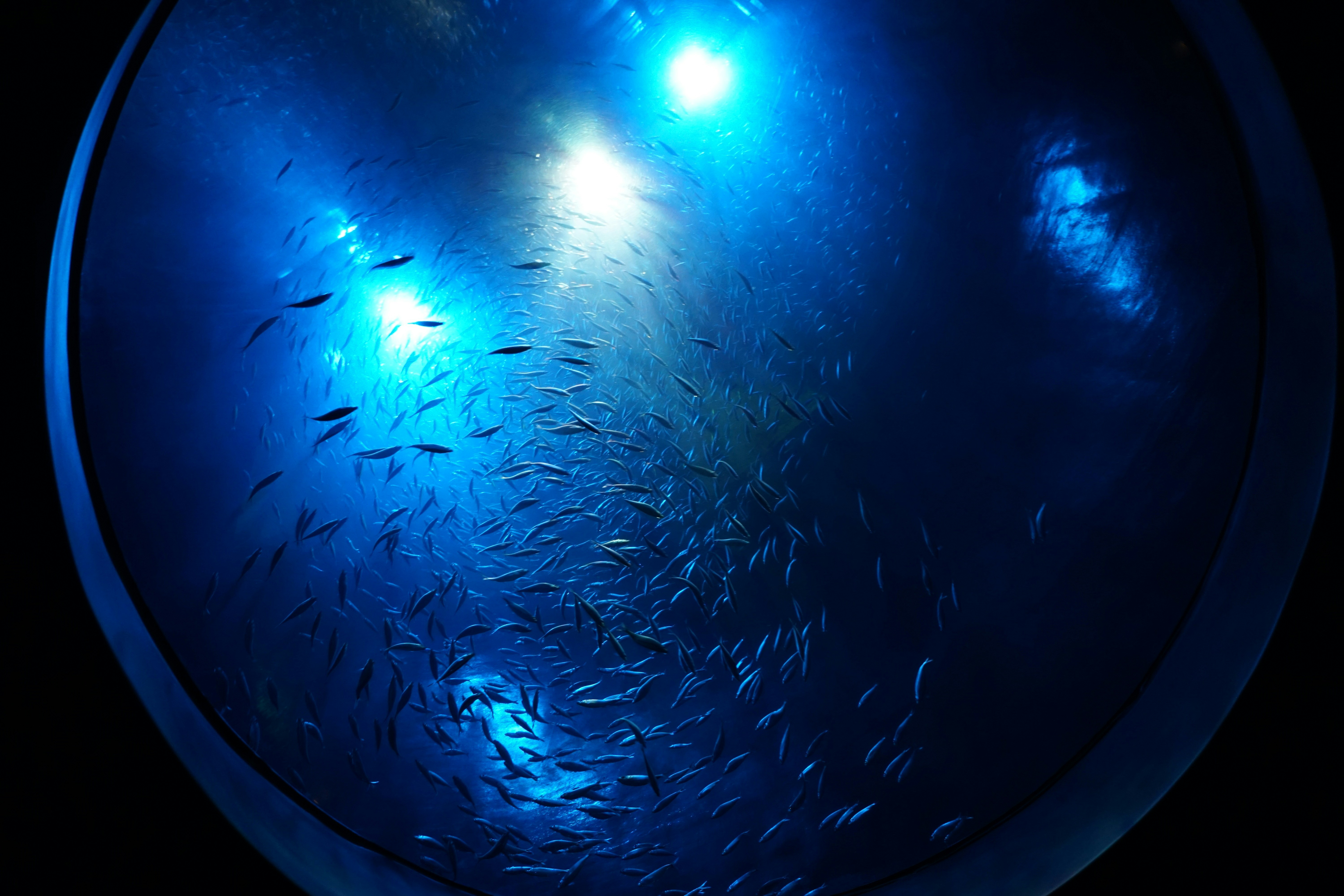
Small fish are critical players in the food chain. They often feed on plankton and other tiny organisms, helping to control their populations. By doing so, small fish facilitate a healthier water environment, preventing algal blooms and promoting biodiversity. Additionally, they often form large schools, offering protection against larger predators, showcasing the importance of their community orientation.

Big Fish and Their Impact

On the other side of the spectrum, big fish, such as tuna and sharks, occupy the top tier in the aquatic hierarchy. These larger fish are vital for maintaining the balance of populations within the ecosystem. By preying on smaller species, they ensure that no one group dominates the environment, thus promoting a diverse and robust aquatic habitat. The dynamics between small fish and big fish are essential for sustaining healthy marine ecosystems.

Exploring the Connection Between Fish and Aquarians

Exploring the Connection Between Fish and Aquarians

Understanding Aquarians

Aquarians, born between January 20 and February 18, are often described as innovative, humanitarian, and independent individuals. They thrive on intellectual stimulation and are known for their forward-thinking mindset. This zodiac sign is represented by the Water Bearer, symbolizing the flow of ideas and the sharing of knowledge.

The Symbolism of Fish

Fish are revered in various cultures as symbols of wisdom, intuition, and tranquility. They are associated with fluidity and adaptability, which resonates well with the characteristics of Aquarians. People born under this sign can often find themselves drawn to the natural world, especially to water-related activities, creating a unique bond with fish.

Connecting Fish Versatility with Aquarian Traits

The versatility of fish can be likened to the open-mindedness of Aquarians. Just as fish navigate through different waters, Aquarians navigate life with a desire to explore new ideas and perspectives. Their particularly strong intuition may also enhance their ability to connect with marine life, making activities such as fishing or aquarium keeping particularly appealing. In conclusion, there’s a fascinating connection between fish and Aquarians. The traits of adaptability in fish mirror the innovative spirit found in Aquarians, resulting in a harmonious relationship with nature. This link inspires Aquarians to delve into the aquatic realm, further enriching their lives.

Understanding the Differences Between Human Science and Biology

Understanding the Differences Between Human Science and Biology

Introduction to Human Science

Human science is an interdisciplinary field that focuses on the study of human behavior, societies, and the complex interactions within them. It encompasses various disciplines, such as psychology, anthropology, sociology, and even aspects of education. By understanding human science, we delve into the cognitive, emotional, and social dimensions of human beings, ultimately gaining insights into how we interact with each other and our environment.

The Scope of Biology

On the other hand, biology is a branch of natural science that studies living organisms and their vital processes. It covers a vast range of topics, from molecular biology to ecology, offering insights into the structure, function, growth, and evolution of life forms. While biology often analyzes individuals or groups of organisms, it does so primarily from a biological perspective rather than a psychological or sociological one.

Human Science vs. Biology: Key Differences

While both human science and biology aim to enhance our understanding of life, their approaches and methodologies are distinct. Human science prioritizes qualitative methods, often involving observational and interpretative analysis, seeking to grasp the nuances of human life. In contrast, biology employs quantitative techniques, relying on measurement, experimentation, and data analysis to analyze the physical and chemical processes of living systems.

In conclusion, although human science and biology share a common interest in the realm of life, they differ in focus, methods, and disciplinary boundaries. Emphasizing these distinctions can lead to a richer understanding of both the biological functions and the social behaviors that shape human existence.

Exploring the Diverse Fields of Science

Exploring the Diverse Fields of Science

An Overview of Scientific Disciplines

Science is an expansive field that encompasses various disciplines, each dedicated to understanding different aspects of the natural world. From the intricacies of molecular biology to the vastness of astrophysics, science provides a structured approach to acquiring knowledge. The primary branches of science include natural sciences, formal sciences, social sciences, and applied sciences, all working together to deepen our comprehension of existence.

Natural Sciences: The Study of Nature

Natural sciences focus on the physical world and its phenomena. This branch includes physics, chemistry, and biology, among others. Physics examines matter, energy, and their interactions, while chemistry delves into the composition, structure, and properties of substances. Biology, on the other hand, explores living organisms and their vital processes. The natural sciences are fundamental in advancing technology and medicine, making them essential for societal progress.

Social Sciences: Understanding Human Behavior

In contrast, social sciences study human behavior and societies. Disciplines like psychology, sociology, and economics investigate how people interact, the structures of societies, and the principles of economic systems. Social sciences are invaluable in addressing complex social issues, aiding policymakers in crafting effective solutions. By combining various scientific disciplines, we enhance our problem-solving abilities and improve our understanding of the world.

The Perfect Pairing: Women’s Clothes, Jewelry, and Accessories

The Perfect Pairing: Women’s Clothes, Jewelry, and Accessories

Elevate Your Fashion Game

When it comes to enhancing your wardrobe, combining women’s clothes with the right jewelry and accessories is essential. Each piece plays a vital role in creating a stylish and cohesive look that expresses your unique personality.

Choosing the Right Jewelry

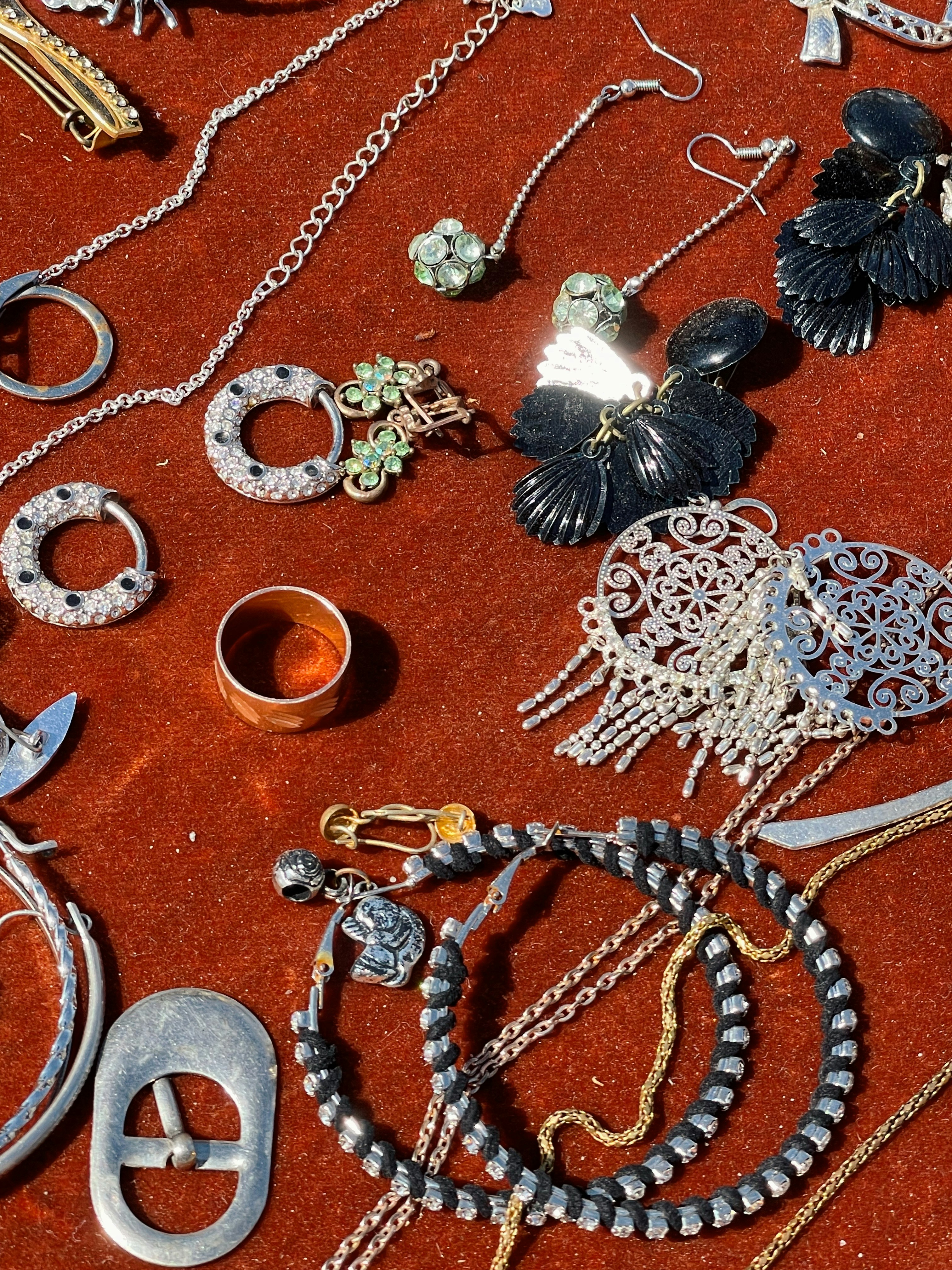
Jewelry can transform any outfit from ordinary to extraordinary. Whether you prefer statement earrings, delicate necklaces, or bold bracelets, the types of jewelry you choose can greatly affect your overall appearance. It’s essential to consider how each piece complements your clothing. For instance, pairing a simple dress with a striking necklace can highlight your neckline beautifully.

Accessorizing with Purpose

Accessories can often be the finishing touch that brings your entire look together. Bags, scarves, and hats are not just practical items—they can also serve as key elements of your outfit. When selecting these additional items, keep in mind the colors and fabrics of your clothes. Opt for accessories that harmonize with your wardrobe, as this will create a seamless and elegant look.

Ultimately, the combination of women’s clothes, jewelry, and accessories allows you to showcase your style in many creative ways. By thoughtfully choosing your pieces, you can express yourself through fashion while feeling confident in your appearance. Experimenting with different styles is part of the fun; there are endless possibilities to explore! Embrace your individuality and let your fashion choices shine.