
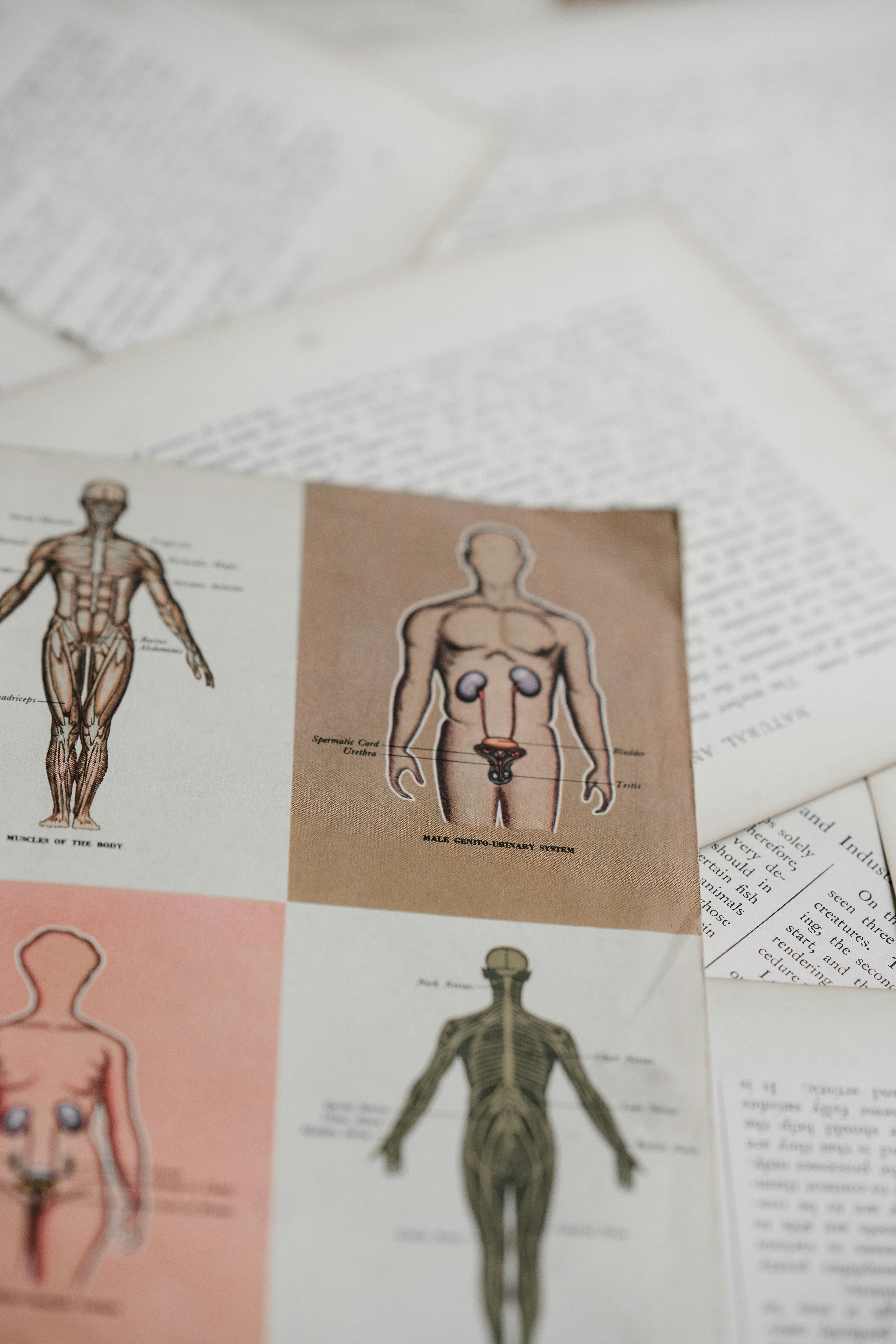
What is Physiology?
Physiology is a fundamental branch of biology that focuses on the study of how living organisms function. It delves into the intricate mechanisms that sustain life, covering everything from the cellular level to entire organ systems. By examining these processes, physiologists can gain insights into how various biological functions, such as breathing and digestion, interconnect.
The Importance of Physiological Processes
Central to physiology is the understanding of the processes that maintain health and vitality. For example, the respiratory system enables oxygen intake, crucial for cellular energy production. Likewise, the digestive system breaks down food into essential nutrients. These functions not only operate in isolation but also work synergistically to support the overall health of the organism.
Advancing Medicine Through Physiological Knowledge
Physiology plays a pivotal role in medical advancements and the understanding of diseases. By exploring biological mechanisms at various levels—from molecules to complex organ systems—researchers can identify potential areas of intervention in disease processes. This foundational knowledge is vital for developing new therapies and improving health outcomes for individuals.