
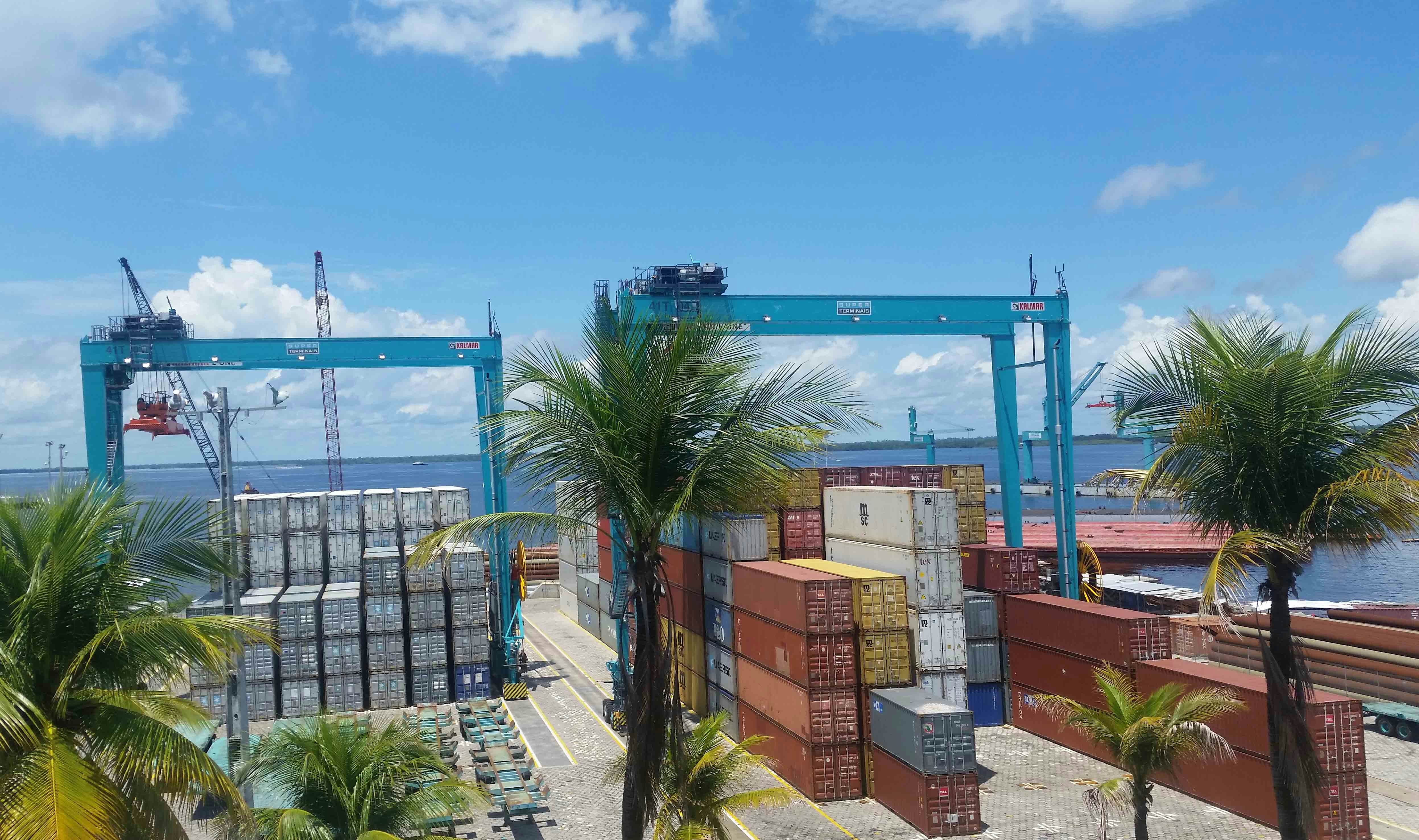
Exploring the Port of Long Beach, California: A Hub of Maritime Activity

Exploring the Port of Long Beach, California: A Hub of Maritime Activity

Introduction to the Port of Long Beach

The Port of Long Beach, California, is one of the largest and busiest seaports in the United States. Known for its strategic location along the Pacific Coast, it serves as a vital gateway for international trade and a significant contributor to the local economy. This port has grown exponentially since its opening in 1911, adapting to the ever-changing landscape of global shipping.

The Significance of the Port

With its extensive facilities and deep-water channels, the Port of Long Beach plays a crucial role in the import and export of goods. Handling millions of containers each year, it is a significant player in the supply chain, enabling goods to traverse across borders efficiently. Located adjacent to the bustling city of Los Angeles, this port also boasts access to major highways and rail systems, making it an essential hub for transportation logistics.

Environmental Initiatives at the Port

Beyond its economic impact, the Port of Long Beach is also committed to environmental sustainability. Innovative initiatives are in place to reduce emissions and improve air quality, aligning with California’s stringent environmental regulations. The Green Port Policy is a testament to the port’s dedication to balancing commerce and ecological preservation.

In conclusion, the Port of Long Beach, California, is not only a center of maritime activity but also a beacon of environmental responsibility and economic growth. Its strategic importance continues to shape the future of trade on the West Coast.
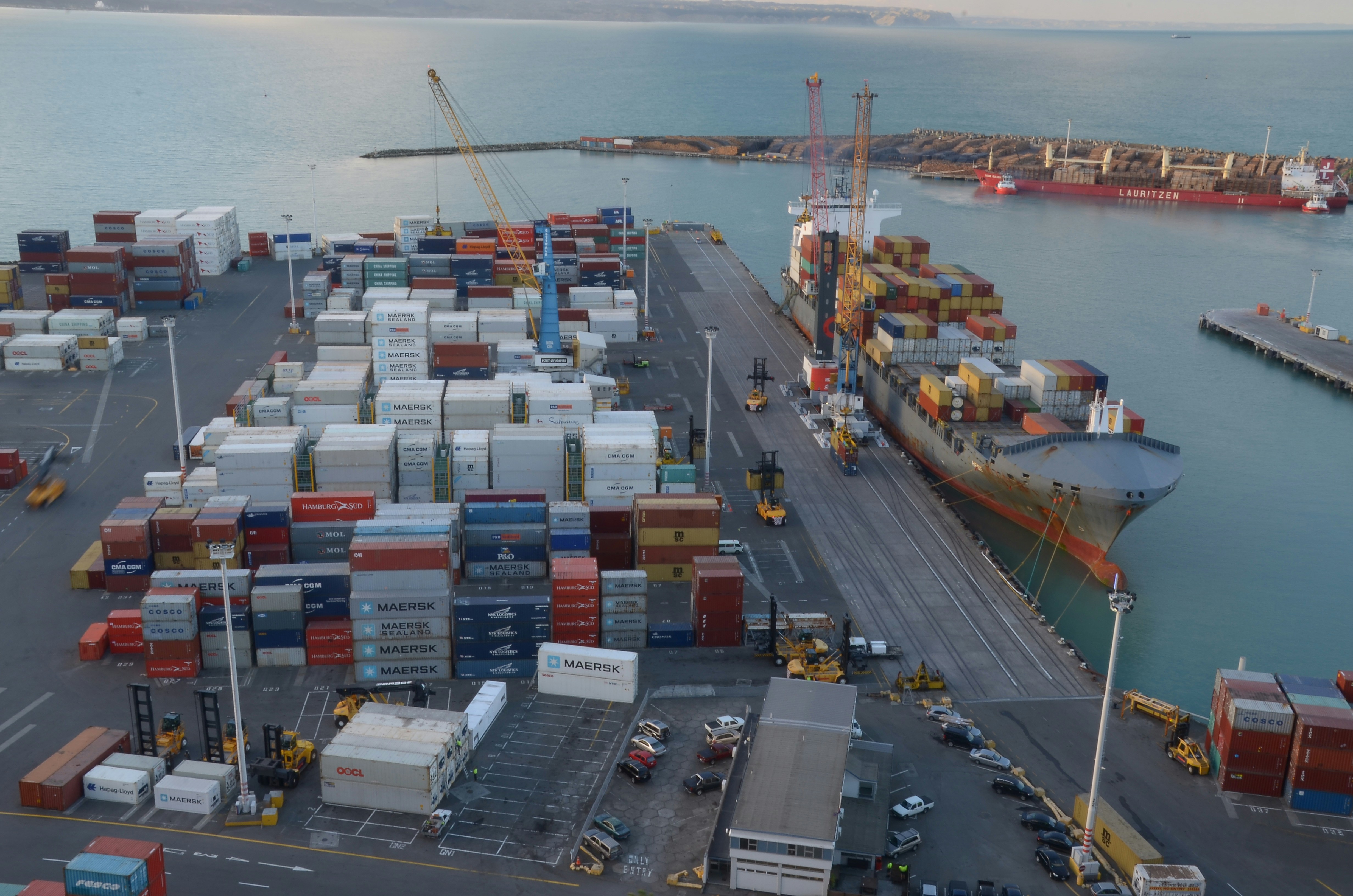
Exploring the Port of Los Angeles: North America’s Busiest Port

Exploring the Port of Los Angeles: North America's Busiest Port

Overview of the Port of Los Angeles

The Port of Los Angeles, recognized as the biggest and busiest port in California, serves a vital role in the global shipping industry. Located in San Pedro Bay, it functions as a critical gateway for international cargo and trade. Spanning over 7,500 acres, this port plays an integral part in North America’s economy, impacting both local and international markets.

Historical Significance

Established in 1907, the Port of Los Angeles has undergone significant transformations, evolving to meet the demands of modern logistics and trade. It has consistently adapted to changing market dynamics, becoming essential for exporting American goods and importing essential products from around the world. This rich history is part of what makes the port an iconic landmark on the West Coast.

Economic Impact and Future Developments

As the busiest port in North America, the Port of Los Angeles significantly contributes to the regional and national economy. It generates thousands of jobs and supports various industries, from shipping and logistics to tourism and manufacturing. Looking ahead, ongoing investments in infrastructure and technology are aimed at enhancing operational efficiency and sustainability, ensuring that the port remains capable of handling future cargo demands.

Exploring the Port of Shanghai: A Vital Hub in Global Trade

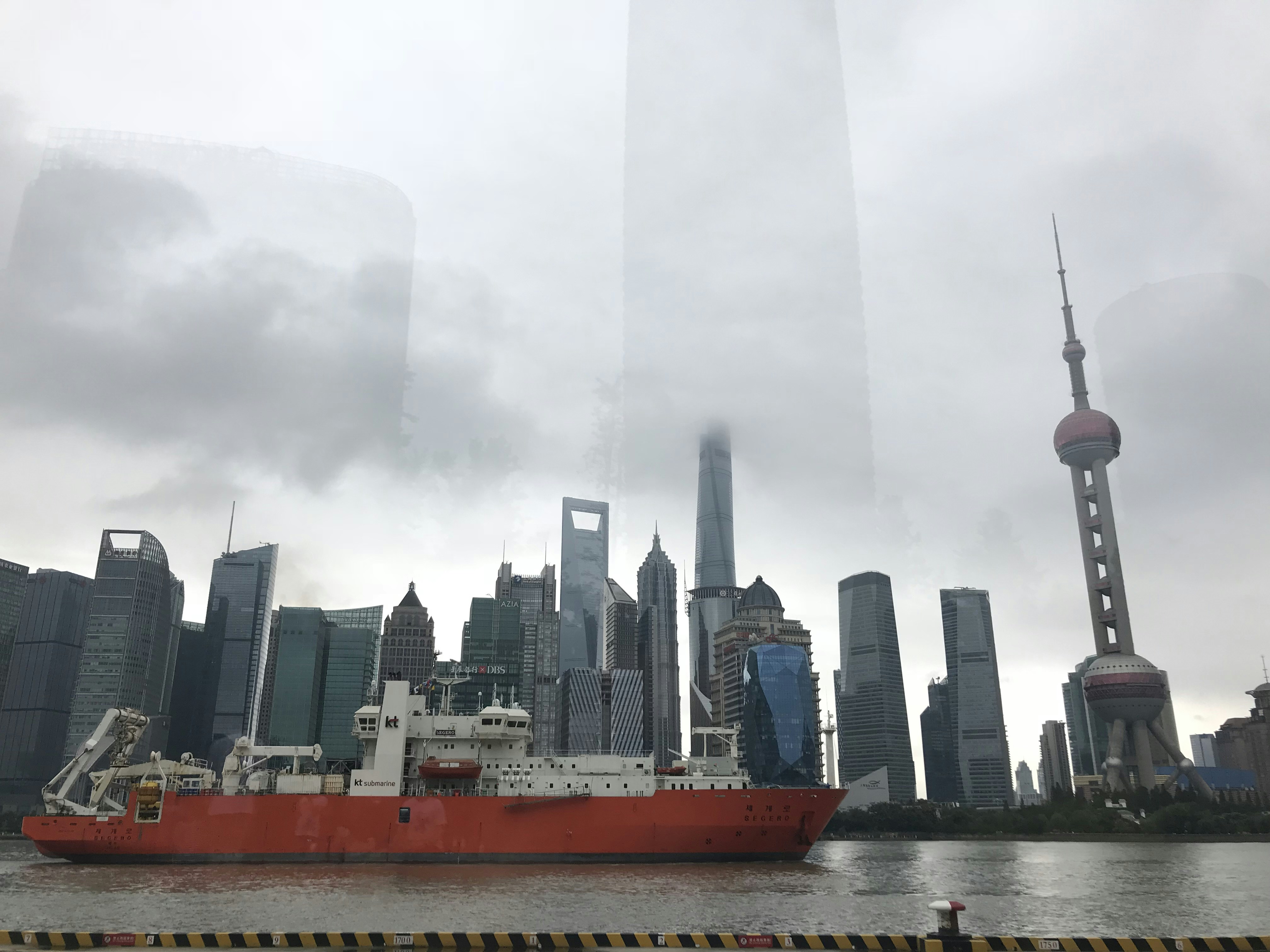
Exploring the Port of Shanghai: A Vital Hub in Global Trade

Introduction to the Port of Shanghai

The Port of Shanghai, located in the bustling city of Shanghai, China, is one of the busiest and most significant ports in the world. It serves as a vital hub for global trade, efficiently connecting China to international markets. As the heart of Shanghai’s economy, this port plays a crucial role in the city’s development and China’s economy as a whole.

Historical Significance

Established in the 19th century, the port has transformed tremendously over the years. Initially just a small fishing harbor, it steadily evolved into a major shipping center by embracing globalization. The port’s strategic location along the East China Sea has enabled it to facilitate vast amounts of freight, making it a key component in trade routes that span the globe.

Port Operations and Infrastructure

The robust infrastructure of the Port of Shanghai is impressive, featuring multiple terminals equipped for various types of cargo such as containers, bulk goods, and liquids. Its advanced technological systems ensure smooth operations, enhancing efficiency in processing goods. The port’s capabilities allow it to handle millions of TEUs (Twenty-foot Equivalent Units) annually, sustaining its position as a leading port in maritime trade.

As global trade continues to grow, the Port of Shanghai remains a critical player, showcasing the dynamic relationship between urban development and international commerce. It embodies the spirit of innovation and adaptability in an ever-changing economic landscape.