
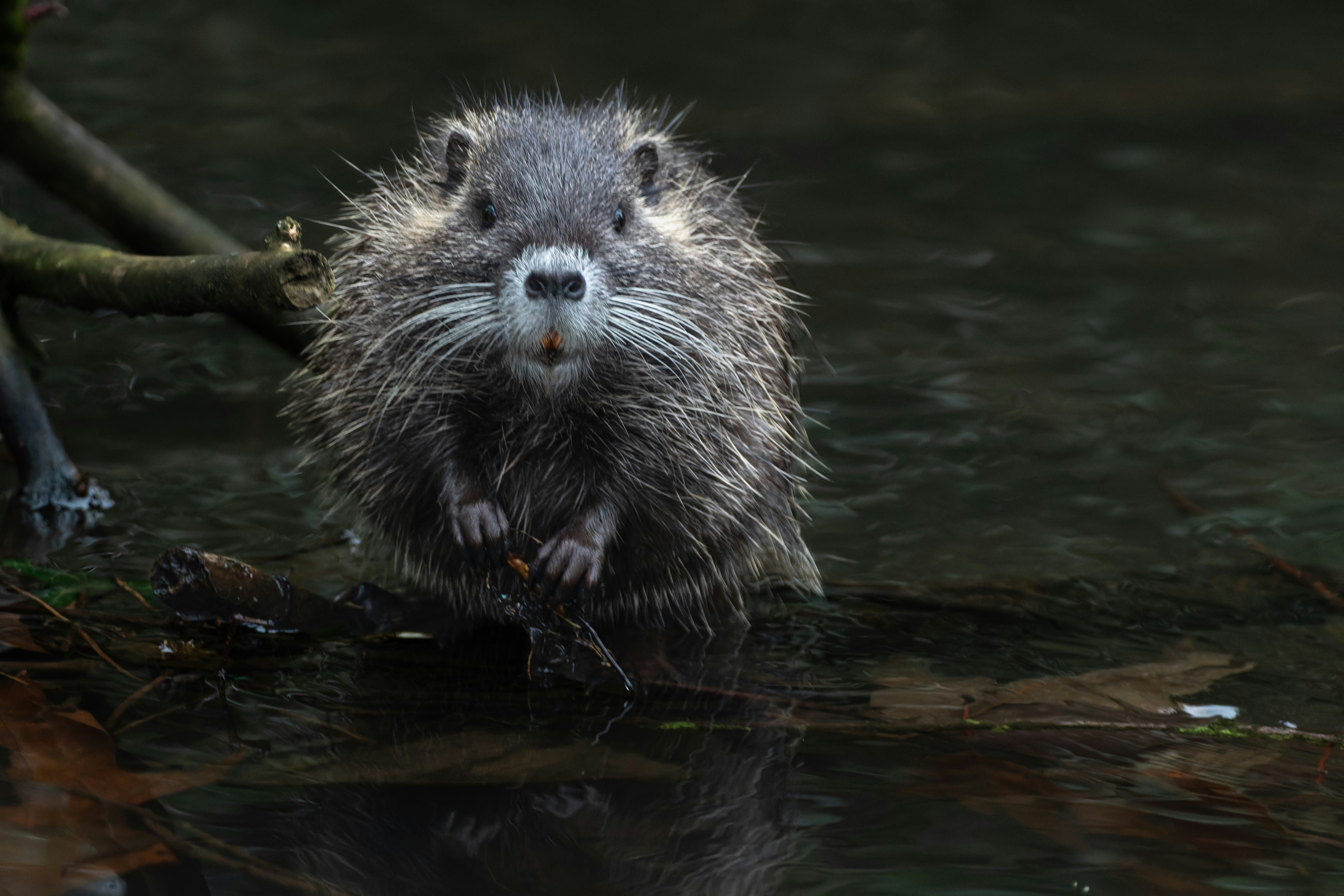
An Introduction to Water Animals
Water animals, comprising a diverse range of species, inhabit lakes, rivers, oceans, and other bodies of water. They play an essential role in maintaining aquatic ecosystems. Examples of water animals include fish, amphibians, whales, and jellyfish. These creatures have adapted to life in water, developing features such as gills for breathing and streamlined bodies for swimming.
The World of Wild Animals
Wild animals, on the other hand, live in natural habitats such as forests, grasslands, and mountains. They are not domesticated and rely on their instincts to find food, shelter, and mates. From majestic lions to elusive foxes, the wild animal kingdom is teeming with diversity. Each species has unique adaptations that help them survive in their environments, whether it’s camouflage, speed, or strength.
The Importance of Conservation
Both water animals and wild animals face threats from human activities, including habitat destruction, pollution, and climate change. Conservation efforts are crucial to protect these species and their habitats. By raising awareness and supporting conservation programs, individuals can help ensure that future generations will continue to enjoy the beauty and diversity of both water and wild animals.