
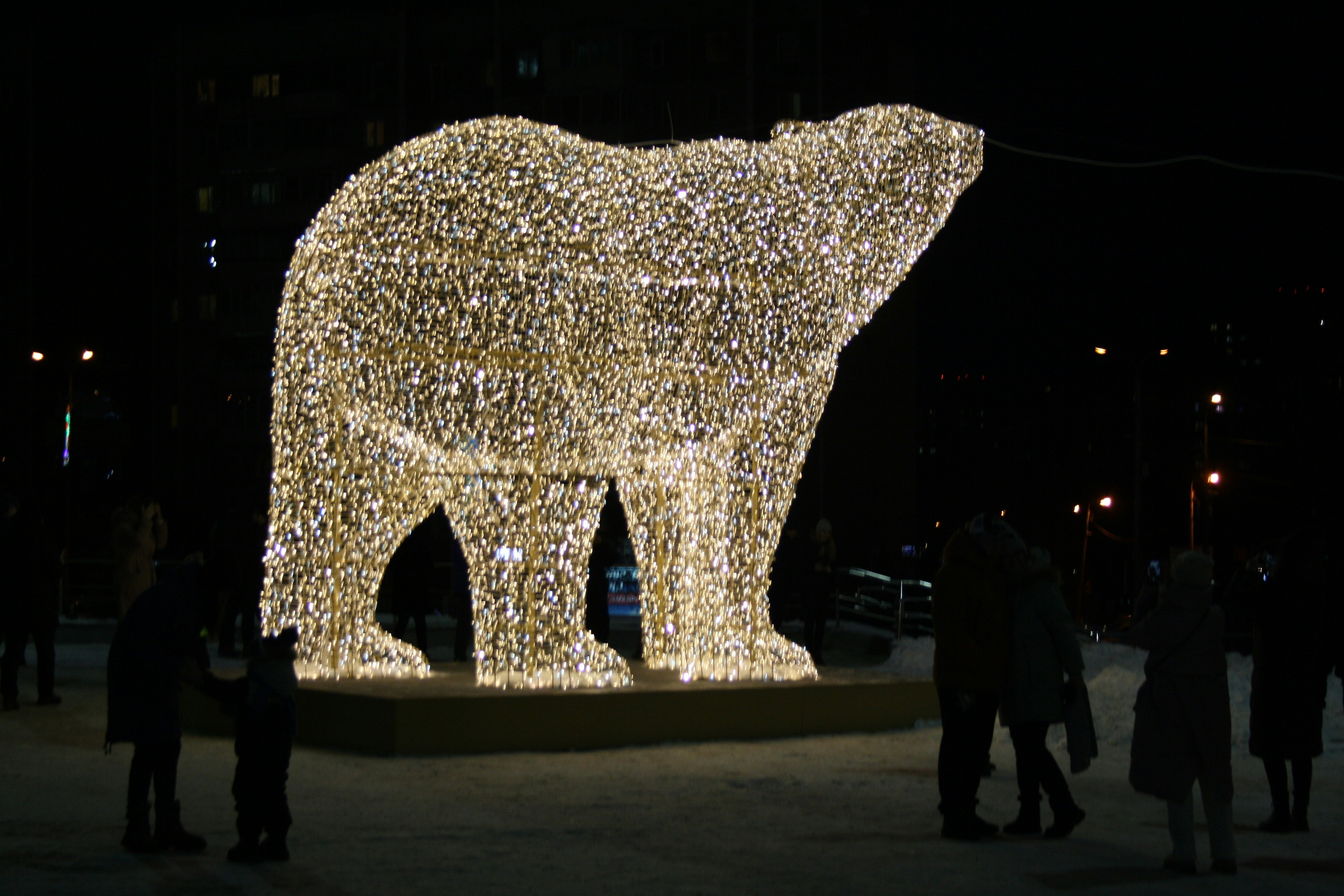
What is the Polar Night?
The term “six months of darkness” refers to the phenomenon known as the polar night, primarily affecting regions near the Earth’s poles. During this time, these areas experience continuous darkness for up to six months due to the tilt of the Earth’s axis. The phenomenon can be observed primarily at the North Pole and the South Pole, each enduring their respective periods of darkness beginning after the equinoxes.
When Does It Occur?
For the North Pole, the polar night commences around the autumn equinox in September and continues until the spring equinox in March. Conversely, the South Pole witnesses its six months of darkness begin after the March equinox. Thus, as one pole enjoys daylight, the other is submerged in darkness, demonstrating nature’s contrasting yet fascinating cycles.
The Impact of Continuous Darkness
The experience of six months without sunlight can have profound effects on the inhabitants of these regions, not just on the wildlife but also on the local human populations. Most communities adapt by utilizing artificial lights and engaging in various cultural and social activities to alleviate the effects of the dark. This time also presents unique challenges such as maintaining mental health and physical activity levels.
Understanding the polar night is crucial for grasping how life adapts in extreme conditions. The phenomenon of six months of darkness not only underscores the rich diversity of our planet’s environments but also encourages respect for the resilience of life in these remote corners of the Earth.